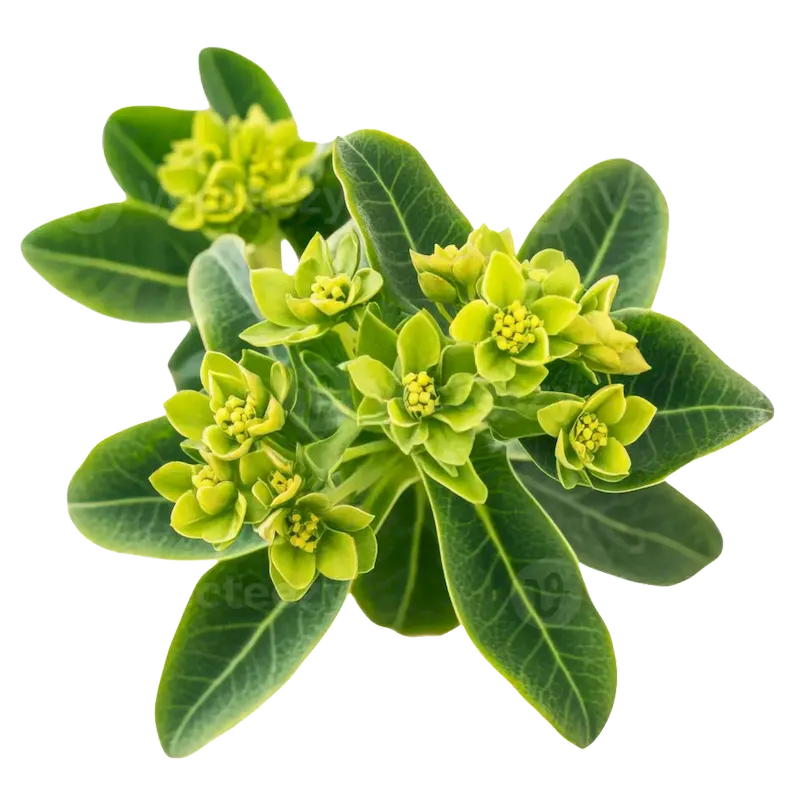
Introductionمقدّمة
Da Ji, scientifically known as Euphorbia pekinensis, is a medicinal herb that belongs to the Euphorbiaceae family. It is native to various regions, including Asia, and is recognized for its traditional uses in herbal medicine. Da Ji has a history of use and is appreciated for its potential therapeutic benefits. نبات دا جي، المعروف علميًا باسم Euphorbia pekinensis، هو عشب طبي ينتمي إلى الفصيلة الفربيونية. موطنه الأصلي مناطق عديدة، بما فيها آسيا، ويُعرف بفوائده التقليدية في الطب العشبي. يتمتع دا جي بتاريخ عريق من الاستخدام، ويُقدّر لفوائده العلاجية المحتملة.
Categoryالفئة
• Potential anti-inflammatory
• Potential analgesic (pain-relieving)
• Traditional use for skin conditions• مضاد محتمل للالتهابات
• مسكن محتمل للألم
• الاستخدام التقليدي لعلاج الأمراض الجلدية
Habitatالموطن
Da Ji can be found in different habitats, including fields, roadsides, and disturbed areas. It is adaptable and grows in various regions around the world. The aerial parts of the plant, particularly the whole plant, are used for their potential medicinal properties. Da Ji is traditionally used for various health concerns.يُمكن العثور على نبات دا جي في بيئات متنوعة، تشمل الحقول وجوانب الطرق والمناطق المتضررة. وهو نبات قابل للتكيف وينمو في مناطق مختلفة حول العالم. تُستخدم الأجزاء الهوائية من النبات، وخاصة النبات بأكمله، لخصائصها الطبية المحتملة. ويُستخدم دا جي تقليديًا لعلاج العديد من المشاكل الصحية.
Parts usedالأجزاء المستخدمة
• Aerial parts (whole plant) • الأجزاء الهوائية (المصنع بأكمله)
Key constituentsالمكوّنات الفعّالة
• Diterpenes (jolkinolide A, B, ingenol derivatives)
• Triterpenes (euphol, tirucallol)
• Flavonoids (quercetin, kaempferol)
• Tannins
• Phenolic compounds
• Alkaloids (minor)
• Sterols (β-sitosterol)
• Resin• ثنائيات التربين (جولكينوليد أ، ب، مشتقات الإنجينول)
• ثلاثيات التربين (يوفول، تيروكالول)
• فلافونويدات (كيرسيتين، كامفيرول)
• تانينات
• مركبات فينولية
• قلويدات (بكميات قليلة)
• ستيرولات (بيتا-سيتوستيرول)
• راتنج
Researchالأبحاث
Research on Da Ji has explored its chemical constituents, including diterpenes, tannins, and alkaloids, and its potential anti-inflammatory and analgesic effects. It is traditionally used for skin conditions, but modern research is ongoing. استكشفت الأبحاث التي أُجريت على نبات دا جي مكوناته الكيميائية، بما في ذلك ثنائي التربينات والتانينات والقلويدات، وتأثيراته المحتملة المضادة للالتهابات والمسكنة للألم. ويُستخدم تقليديًا لعلاج الأمراض الجلدية، لكن الأبحاث الحديثة لا تزال جارية.
Published researchأبحاث منشورة
↗ Euphorbia pekinensis Rupr. roots: a comprehensive review of botany, traditional uses, phytochemistry, pharmacology, quality control, and toxicology↗ Anti-angiogenic activity of water extract from Euphorbia pekinensis Rupr↗ Polyphenols from Euphorbia pekinensis Inhibit AGEs Formation In Vitro and Vessel Dilation in Larval Zebrafish In VivoTraditional useالاستخدام التقليدي
Da Ji has a long history of use in traditional herbal medicine in various regions. It is employed for various health concerns, particularly for its potential role in addressing skin conditions. The aerial parts, including the whole plant, are used for their potential therapeutic benefits.يتمتع نبات دا جي بتاريخ طويل من الاستخدام في الطب العشبي التقليدي في مناطق مختلفة. ويُستخدم لعلاج العديد من المشاكل الصحية، ولا سيما دوره المحتمل في علاج الأمراض الجلدية. وتُستخدم الأجزاء الهوائية، بما في ذلك النبات بأكمله، لفوائدها العلاجية المحتملة.
Current useالاستخدام الحالي
The entire plant, including the aerial parts (leaves, stems, and flowers), of Da Ji is used for its potential medicinal properties. It can be prepared as herbal infusions, decoctions, tinctures, or included in traditional remedies for skin conditions. يُستخدم نبات دا جي بأكمله، بما في ذلك أجزائه الهوائية (الأوراق والسيقان والأزهار)، لخصائصه الطبية المحتملة. ويمكن تحضيره على شكل مشروبات عشبية، أو مغلي، أو صبغات، أو إضافته إلى العلاجات التقليدية للأمراض الجلدية.
Preparationsالتحضيرات
Decoction, Infusion, Tinctureخلاصة سائلة, مغلي, منقوع
Used for these conditionsيُستخدم لهذه الحالات
Adult dosageجرعة البالغين
Dosage recommendations for Da Ji may vary depending on the specific product or remedy. It is commonly used in traditional herbal preparations for skin health and anti-inflammatory purposes. Consult with a qualified herbalist or healthcare provider for guidance on dosages and usage. قد تختلف توصيات الجرعات لنبات دا جي باختلاف المنتج أو العلاج المحدد. يُستخدم عادةً في المستحضرات العشبية التقليدية لصحة الجلد ومضادات الالتهاب. استشر أخصائي أعشاب مؤهل أو مقدم رعاية صحية للحصول على إرشادات حول الجرعات وطريقة الاستخدام.
Child dosageجرعة الأطفال
Dosage recommendations for Da Ji may vary depending on the specific product or remedy. It is commonly used in traditional herbal preparations for skin health and anti-inflammatory purposes. Consult with a qualified herbalist or healthcare provider for guidance on dosages and usage. قد تختلف توصيات الجرعات لنبات دا جي باختلاف المنتج أو العلاج المحدد. يُستخدم عادةً في المستحضرات العشبية التقليدية لصحة الجلد ومضادات الالتهاب. استشر أخصائي أعشاب مؤهل أو مقدم رعاية صحية للحصول على إرشادات حول الجرعات وطريقة الاستخدام.
Cautionتحذيرات
CAUTION — TOXIC HERB. Da Ji (Euphorbia pekinensis) is a potent, toxic purgative. The raw plant's milky latex severely irritates skin, eyes and mucous membranes; internal use causes violent diarrhea, vomiting, dehydration and abdominal pain, and overdose can be dangerous. Use only professionally processed (vinegar-cured) material in strictly limited doses under expert supervision. Do NOT combine with licorice (Gan Cao). Contraindicated in the weak/debilitated, in children, and in pregnancy.تحذير — عشبة سامة. نبات دا جي (Euphorbia pekinensis) مُليّن قوي وسام. يُسبّب سائله اللبني الخام تهيّجًا شديدًا للجلد والعينين والأغشية المخاطية؛ ويُسبّب الاستخدام الداخلي إسهالًا شديدًا وقيئًا وجفافًا وألمًا بطنيًا، وقد تكون الجرعة الزائدة خطيرة. يُستخدم فقط بعد معالجته (بالخل) وبجرعات محدودة جدًا وتحت إشراف خبير. لا يُمزج مع العرقسوس (غان تساو). يُمنع في حالات الضعف والوهن وللأطفال وأثناء الحمل.
Pregnancy & nursingالحمل والرضاعة
STRICTLY CONTRAINDICATED in pregnancy and breastfeeding. Da Ji (Euphorbia pekinensis) is a toxic, drastic purgative that can cause miscarriage; it must never be used during pregnancy or lactation.يُمنع منعًا باتًا أثناء الحمل والرضاعة. نبات دا جي (Euphorbia pekinensis) مُليّن قوي وسام قد يُسبّب الإجهاض؛ يجب عدم استخدامه إطلاقًا أثناء الحمل أو الإرضاع.