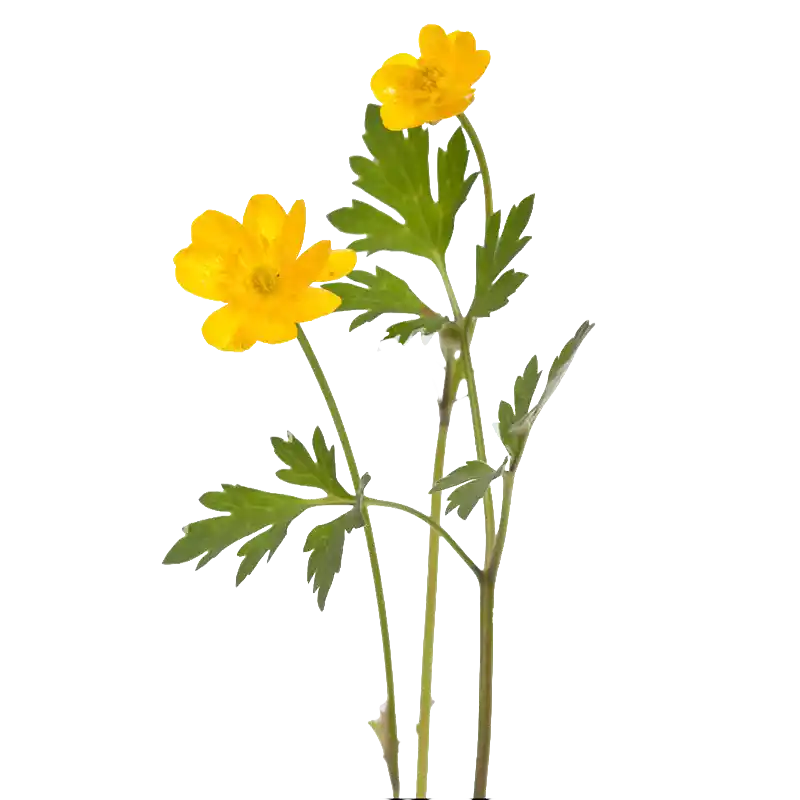
Introductionمقدّمة
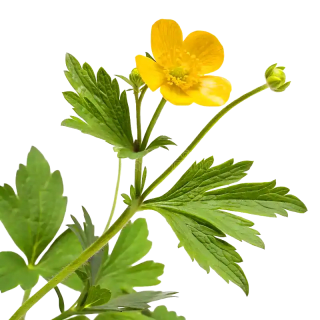
Ranunculus repens (creeping buttercup) is an extremely common creeping yellow buttercup and garden/pasture weed. IMPORTANT: like all buttercups it is toxic — the fresh crushed plant releases protoanemonin, a blistering irritant to skin, mouth and gut. It had only minor historic external counter-irritant use; the raw plant is not a safe internal home remedy, and drying (which forms harmless anemonin) greatly reduces the risk.الحوذان الزاحف (Ranunculus repens) حوذانٌ أصفر زاحف شديد الشيوع وحشيشةُ حدائق/مراعٍ. مهمّ: كسائر الحوذان هو سامّ — فالنبتة الطازجة المسحوقة تُطلِق البروتوأنيمونين، مهيّجاً مُبثِّراً للجلد والفم والأمعاء. وله استعمالٌ خارجي تاريخي طفيف مُهيِّجاً مضادّاً فقط؛ والنبتة الخام ليست علاجاً منزلياً داخلياً آمناً، والتجفيف (المُكوِّن للأنيمونين غير الضارّ) يقلّل الخطر كثيراً.
Categoryالفئة
• Buttercup (Ranunculaceae)
• ⚠️ TOXIC / vesicant when FRESH (protoanemonin)
• Historic counter-irritant (external, blister)
• Skin & mucous-membrane irritant
• NOT a safe home remedy• حوذان (الفصيلة الحوذانية)
• ⚠️ سامّ/مُبثِّر طازجاً (بروتوأنيمونين)
• مُهيِّج مضادّ تاريخي (خارجي، مُبثِّر)
• مهيّج للجلد والأغشية المخاطية
• ليس علاجاً منزلياً آمناً
Habitatالموطن
A vigorous creeping perennial buttercup rooting at the nodes, with glossy yellow flowers, of damp grassland, lawns, ditches and cultivated ground across Europe, Asia and beyond.حوذانٌ معمّر زاحف قويّ يتجذّر عند العُقَد، بأزهارٍ صفراء لمّاعة، في المروج الرطبة والحدائق والخنادق والأرض المزروعة عبر أوروبا وآسيا وأبعد.
Parts usedالأجزاء المستخدمة
• Whole plant (external only — with caution)• النبتة كاملةً (خارجي فقط — بحذر)
Key constituentsالمكوّنات الفعّالة
• Protoanemonin/anemonin (from ranunculin — vesicant)
• Flavonoids
• Saponins
• Tannins• بروتوأنيمونين/أنيمونين (من الرانونكولين — مُبثِّر)
• فلافونويدات
• صابونينات
• تانينات
Researchالأبحاث
Ranunculus repens is chiefly of toxicological interest: like other buttercups it contains ranunculin, which forms the vesicant protoanemonin on crushing (converting to harmless anemonin on drying). Contact irritates/blisters skin and mucous membranes, and it is a recognised cause of irritation in grazing animals. Some in-vitro antimicrobial activity is reported, but there is no basis for safe internal use.الحوذان الزاحف ذو اهتمامٍ سُميّ أساساً: كسائر الحوذان يحوي رانونكولين يكوّن البروتوأنيمونين المُبثِّر عند السحق (ويتحوّل إلى أنيمونين غير ضارّ بالتجفيف). والتلامس يهيّج/يُبثِّر الجلد والأغشية المخاطية، وهو سببٌ معروف للتهيّج في الحيوانات الراعية. ويُذكَر بعض النشاط المضاد للميكروبات مخبرياً، لكن لا أساس للاستعمال الداخلي الآمن.
Published researchأبحاث منشورة
Traditional useالاستخدام التقليدي
Had only minor historic external folk use as a counter-irritant/blister on rheumatic joints and as a poultice to 'draw' (raising a blister); because of its toxicity these uses are essentially obsolete, and it was never a safe internal remedy. It is chiefly known as a persistent lawn/pasture weed.له استعمالٌ خارجي تاريخي طفيف فقط مُهيِّجاً مضادّاً/مُبثِّراً على المفاصل الروماتزمية ولبخةً «للسحب» (بإحداث بثرة)؛ ولسميّته هذه الاستعمالات مهجورة في جوهرها، ولم يكن علاجاً داخلياً آمناً. وأشهر ما يكون حشيشةَ حدائق/مراعٍ عنيدة.
Current useالاستخدام الحالي
Not used as a home medicine; chiefly a common weed of botanical/agricultural note. Noted for its irritant toxicity.لا يُستعمَل دواءً منزلياً؛ وهو أساساً حشيشةٌ شائعة ذات ملاحظةٍ نباتية/زراعية. يُذكَر لسميّته المهيّجة.
Preparationsالتحضيرات
• (No safe internal preparation)
• Historic external counter-irritant (obsolete)
• Common weed (identify/avoid)• (لا مستحضر داخلي آمن)
• مُهيِّج مضادّ خارجي تاريخي (مهجور)
• حشيشة شائعة (تُعرَف/تُتجنَّب)
Used for these conditionsيُستخدم لهذه الحالات
Adult dosageجرعة البالغين
No safe internal home dose; not for self-use.لا جرعة داخلية منزلية آمنة؛ وليست للاستعمال الذاتي.
Child dosageجرعة الأطفال
Not for children; keep it away from children (irritant sap).لا للأطفال؛ ويُبعَد عن الأطفال (النَّسْغ مهيّج).
Cautionتحذيرات
⚠️ Toxic. The fresh plant blisters skin and mucous membranes (protoanemonin) and irritates the mouth, gut and kidneys if eaten; handling can irritate skin and eyes. Do not eat it and do not apply the fresh sap to broken skin. Drying converts the toxin to harmless anemonin, but there is no reason to self-medicate with it — treat it as a toxic weed to identify and avoid.⚠️ سامّ. النبتة الطازجة تُبثِّر الجلد والأغشية المخاطية (بروتوأنيمونين) وتهيّج الفم والأمعاء والكلى إن أُكِلت؛ والتعامل قد يهيّج الجلد والعينين. فلا يُؤكَل ولا يُوضَع نَسْغه الطازج على جلدٍ مجروح. والتجفيف يحوّل السمّ إلى أنيمونين غير ضارّ، لكن لا داعي للتداوي به — فيُعامَل حشيشةً سامّة تُعرَف وتُتجنَّب.
Pregnancy & nursingالحمل والرضاعة
Do NOT use in pregnancy — toxic Ranunculaceae; unsafe.لا يُستعمل في الحمل — حوذانية سامّة؛ غير آمن.