Introductionمقدّمة
Lithospermum officinale (common gromwell) is a borage-family herb famous for its hard, stony, pearl-like seeds — used since antiquity, by the doctrine of signatures, for urinary 'stones' and gravel. Its roots and herb also have a folkloric anti-fertility reputation (the genus contains anti-gonadotropic compounds). CAUTION: as a borage-family plant it may contain liver-toxic pyrrolizidine alkaloids, so internal use should be limited.حجر الدم (Lithospermum officinale) عشبةٌ من الفصيلة الحمحمية تشتهر ببذورها الصلبة الحجرية كاللؤلؤ — استُعملت منذ القِدَم، بمبدأ الشبه، للحصى البوليّة والرمل. ولجذورها وعشبتها أيضاً سُمعةٌ فولكلورية مضادّة للخصوبة (فالجنس يحوي مركّبات مضادّة للموجّهة التناسلية). تنبيه: كنبتةٍ من الفصيلة الحمحمية قد تحوي قلويدات بيروليزيدينية سامّة للكبد، فينبغي حدّ الاستعمال الداخلي.
Categoryالفئة
• Stone-seed borage-family herb (Boraginaceae)
• Traditional urinary/'stone' & anti-fertility folk herb
• Antioxidant & antimicrobial (studied)
• ⚠️ Boraginaceae — possible pyrrolizidine alkaloids (liver)
• Historic seed-'stone' remedy• عشبة بذرة حجرية من الفصيلة الحمحمية (الفصيلة الحمحمية)
• عشبة شعبية بوليّة/«للحصى» ومضادّة للخصوبة تقليدية
• مضادّة للأكسدة والميكروبات (مدروسة)
• ⚠️ الفصيلة الحمحمية — احتمال قلويدات بيروليزيدينية (الكبد)
• علاج بذرة-«حصى» تاريخي
Habitatالموطن
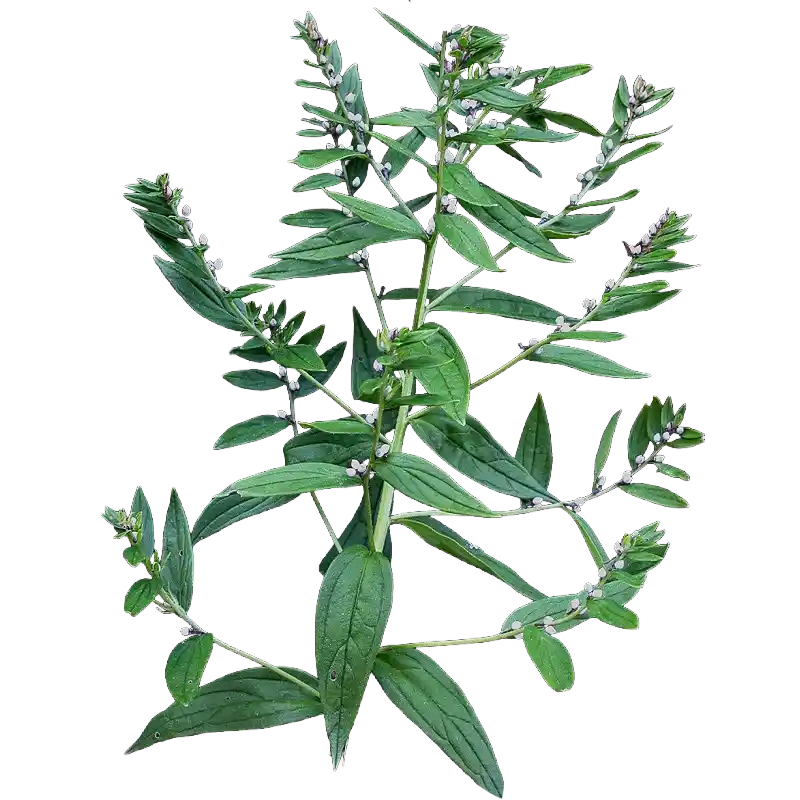
A hairy perennial with small creamy flowers and hard white seeds, of hedge banks, scrub and calcareous grassland across Europe and western Asia.عشبةٌ معمّرة زغباء بأزهارٍ صغيرة كريمية وبذورٍ بيضاء صلبة، في ضفاف الأسيجة والأدغال والمروج الكلسية عبر أوروبا وغرب آسيا.
Parts usedالأجزاء المستخدمة
• Seeds
• Herb & root• البذور
• العشبة والجذر
Key constituentsالمكوّنات الفعّالة
• Lithospermic acid (anti-gonadotropic)
• Shikonin/alkannin-type naphthoquinones (root)
• Rosmarinic acid & phenolics
• Possible pyrrolizidine alkaloids
• Silica (seeds)• حمض الليثوسبرميك (مضادّ للموجّهة التناسلية)
• نفثوكينونات من نمط الشيكونين/الألكانين (الجذر)
• حمض الروزمارينيك وفينولات
• احتمال قلويدات بيروليزيدينية
• سيليكا (البذور)
Researchالأبحاث
Lithospermum officinale is documented for lithospermic acid (with anti-gonadotropic/hormone-modulating activity behind its anti-fertility folklore), rosmarinic acid, and root naphthoquinones (shikonin/alkannin-type) with antioxidant, antimicrobial and anti-inflammatory activity; reviews summarise its phytochemistry and ethnomedicine. As a Boraginaceae plant it may carry hepatotoxic pyrrolizidine alkaloids, so caution is warranted. Evidence is preclinical.حجر الدم موثّقٌ بحمض الليثوسبرميك (بنشاطٍ مضاد للموجّهة التناسلية/مُعدِّل للهرمونات وراء فولكلوره المضاد للخصوبة) وحمض الروزمارينيك ونفثوكينونات الجذر (من نمط الشيكونين/الألكانين) بنشاطٍ مضاد للأكسدة والميكروبات والالتهاب؛ وتلخّص المراجعات كيميائه وطبّه الشعبي. وكنبتةٍ حمحمية قد تحمل قلويدات بيروليزيدينية سامّة للكبد، فالحذر مطلوب. والأدلة قبل سريرية.
Published researchأبحاث منشورة
Traditional useالاستخدام التقليدي
Seeds used (by the doctrine of signatures) as a diuretic for urinary gravel and 'stones', the herb/root as a folkloric anti-fertility remedy and for menstrual complaints, and the root (like related gromwells) as a red dye and a wound/skin remedy; also for fevers and coughs.تُستعمل البذور (بمبدأ الشبه) مُدرّاً لرمل و«حصى» البول، والعشبة/الجذر علاجاً فولكلورياً مضادّاً للخصوبة ولشكاوى الطمث، والجذر (كأقاربه) صِبغاً أحمر وعلاجاً للجروح/الجلد؛ وأيضاً للحمّيات والسعال.
Current useالاستخدام الحالي
Little used today; of historical/ethnobotanical interest (anti-fertility folklore, 'stone-seed'); root studied for shikonin-type compounds.قليل الاستعمال اليوم؛ ذو اهتمامٍ تاريخي/إثنوبوتاني (فولكلور مضاد للخصوبة، «بذرة الحصى»)؛ ويُدرَس الجذر لمركّبات نمط الشيكونين.
Preparationsالتحضيرات
• Seed preparation (urinary, historic)
• Root dye/wound preparation
• (Limited internal use — PA caution)• مستحضر البذور (بوليّ، تاريخي)
• صِبغ/مستحضر جروحٍ من الجذر
• (استعمال داخلي محدود — حذر القلويدات)
Used for these conditionsيُستخدم لهذه الحالات
Adult dosageجرعة البالغين
Only small, short-term traditional amounts if used at all, because of possible pyrrolizidine alkaloids; per knowledgeable practice.مقادير تقليدية صغيرة قصيرة فقط إن استُعمل، لاحتمال القلويدات البيروليزيدينية؛ بحسب ممارسةٍ خبيرة.
Child dosageجرعة الأطفال
Not for children.لا للأطفال.
Cautionتحذيرات
⚠️ As a borage-family (Boraginaceae) plant it may contain pyrrolizidine alkaloids, which are toxic to the liver with regular or prolonged use, so avoid long-term internal use. Its anti-gonadotropic/hormone-modulating activity means it should be avoided in pregnancy and by anyone with hormone-sensitive conditions or fertility concerns. Best regarded as a historical herb rather than a home remedy.⚠️ كنبتةٍ من الفصيلة الحمحمية قد تحوي قلويدات بيروليزيدينية سامّة للكبد بالاستعمال المنتظم أو المطوّل، فيُتجنَّب الاستعمال الداخلي الطويل. ونشاطه المضاد للموجّهة التناسلية/المُعدِّل للهرمونات يعني تجنّبه في الحمل ولكلّ ذي حالةٍ حسّاسة للهرمونات أو مخاوف خصوبة. والأولى عدّه عشبةً تاريخية لا علاجاً منزلياً.
Pregnancy & nursingالحمل والرضاعة
Do NOT use in pregnancy — anti-gonadotropic and possibly hepatotoxic (pyrrolizidine alkaloids); unsafe.لا يُستعمل في الحمل — مضادّ للموجّهة التناسلية وقد يكون سامّاً للكبد (قلويدات بيروليزيدينية)؛ غير آمن.