Introductionمقدّمة
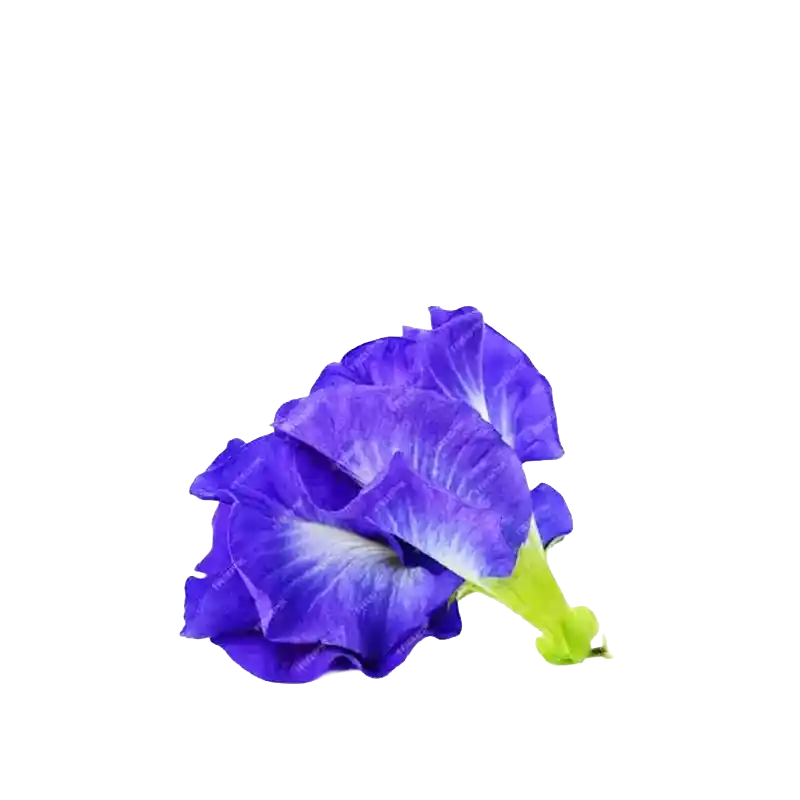
Clitoria ternatea (butterfly pea, 'aparajita'/blue-flower shankhpushpi) is a vine whose vivid blue flowers make the famous colour-changing 'blue tea' and are a traditional brain and calming tonic. Rich in antioxidant anthocyanins and unique cyclotide peptides, it has documented nootropic (memory-enhancing), antioxidant, anti-inflammatory and antidiabetic activity, and is used for memory, stress, eyes and as a natural food colour.البازلاء الفراشية (Clitoria ternatea، «أباراجيتا»/شانخبوشبي الزهرة الزرقاء) متسلّقة أزهارها الزرقاء الزاهية تصنع «الشاي الأزرق» الشهير المتغيّر اللون، ومقوٍّ تقليدي للدماغ ومهدّئ. وهي غنية بالأنثوسيانينات المضادة للأكسدة وببتيدات السيكلوتيد الفريدة، ولها نشاطٌ موثّق منشّط ذهنياً (معزّز للذاكرة) ومضاد للأكسدة والالتهاب والسكري، وتُستعمل للذاكرة والإجهاد والعين وصبغةَ طعامٍ طبيعية.
Categoryالفئة
• Medicinal flowering vine (Fabaceae)
• 'Shankhpushpi' — blue-flower brain & antioxidant herb
• Nootropic, antioxidant & antidiabetic (studied)
• Anti-inflammatory; natural blue food dye
• Traditional memory, calming & eye herb• متسلّقة مزهرة طبّية (الفصيلة البقولية)
• «شانخبوشبي» — عشبة زهرة زرقاء للدماغ ومضادة للأكسدة
• منشّطة ذهنياً ومضادة للأكسدة والسكري (مدروس)
• مضادة للالتهاب؛ صبغة غذاء زرقاء طبيعية
• عشبة تقليدية للذاكرة والتهدئة والعين
Habitatالموطن
A climbing legume of tropical Asia (widely grown), with striking blue (or white) flowers and edible pods.بقولية متسلّقة في آسيا المدارية (تُزرَع كثيراً)، بأزهارٍ زرقاء (أو بيضاء) لافتة وقرونٍ صالحة للأكل.
Parts usedالأجزاء المستخدمة
• Flowers (main — tea/dye)
• Roots, seeds & leaves (traditional)• الأزهار (رئيسي — شاي/صبغة)
• الجذور والبذور والأوراق (تقليدي)
Key constituentsالمكوّنات الفعّالة
• Anthocyanins (blue — ternatins)
• Flavonoids & phenolics
• Cyclotides (peptides)
• Triterpenoids
• Antioxidant compounds• أنثوسيانينات (زرقاء — ترناتينات)
• فلافونويدات وفينولات
• سيكلوتيدات (ببتيدات)
• تريتربينويدات
• مركّبات مضادة للأكسدة
Researchالأبحاث
Clitoria ternatea is well documented for antioxidant and antidiabetic activity and for nootropic (memory- and cognition-supporting) effects, and studies report antidiabetic and hepatoprotective effects in diabetic/dyslipidaemic rats via antioxidant and anti-inflammatory mechanisms; it is also notable for its cyclotide peptides. This supports its traditional brain-tonic, calming and antioxidant uses.البازلاء الفراشية موثّقة جيداً لنشاطٍ مضاد للأكسدة والسكري ولآثارٍ منشّطة ذهنياً (داعمة للذاكرة والإدراك)، وتذكر الدراسات آثاراً مضادة للسكري وواقية للكبد في جرذان السكري/اضطراب الدهون عبر آليات مضادة للأكسدة والالتهاب؛ وتتميّز أيضاً بببتيدات السيكلوتيد. وهذا يدعم استعمالاتها التقليدية مقوّياً للدماغ ومهدّئة ومضادة للأكسدة.
Published researchأبحاث منشورة
Traditional useالاستخدام التقليدي
Blue flowers brewed as 'blue tea' and used, like shankhpushpi, as a brain and nerve tonic to support memory, concentration and calm and for anxiety, stress and sleep; roots and seeds used in Ayurveda for the mind, eyes, skin and as purgatives; flowers used as a natural blue/purple food colour.تُنقَع الأزهار الزرقاء «شاياً أزرق» وتُستعمل، كشانخبوشبي، مقوّياً للدماغ والأعصاب لدعم الذاكرة والتركيز والهدوء وللقلق والإجهاد والنوم؛ وتُستعمل الجذور والبذور في الأيورفيدا للذهن والعين والجلد ومُسهِلات؛ وتُستعمل الأزهار صبغةَ طعامٍ زرقاء/أرجوانية طبيعية.
Current useالاستخدام الحالي
A popular nootropic/antioxidant herb and natural blue food colour (blue tea, cocktails, rice) with researched cognitive and antidiabetic activity.عشبة منشّطة ذهنياً/مضادة للأكسدة محبوبة وصبغة طعام زرقاء طبيعية (شاي أزرق، كوكتيلات، أرزّ) بنشاطٍ إدراكي ومضاد للسكري مدروس.
Preparationsالتحضيرات
• Flower tea ('blue tea')
• Flower extract / powder
• Natural food colour
• Root/seed (traditional, guided)• شاي الأزهار («شاي أزرق»)
• مستخلص/مسحوق الأزهار
• صبغة طعام طبيعية
• الجذر/البذر (تقليدي، مُرشَد)
Used for these conditionsيُستخدم لهذه الحالات
Adult dosageجرعة البالغين
Flower tea (a few flowers per cup) freely; extract/powder per product. Roots/seeds only in traditional, guided amounts.شاي الأزهار (بضع أزهار للكوب) بحرّية؛ ومستخلص/مسحوق بحسب المنتج. والجذور/البذور فقط بكميات تقليدية مُرشَدة.
Child dosageجرعة الأطفال
Flower tea in small amounts is mild; avoid roots/seeds.شاي الأزهار بكميات صغيرة خفيف؛ وتُتجنّب الجذور/البذور.
Cautionتحذيرات
The flowers (blue tea) are generally very safe and mild. The seeds and roots are stronger and traditionally purgative — avoid these except in guided traditional use. As a calming herb, large amounts may add to sedative medication. It may lower blood sugar (monitor if diabetic). Very large amounts of the tea can occasionally cause nausea.الأزهار (الشاي الأزرق) آمنة جداً وخفيفة عموماً. والبذور والجذور أقوى ومُسهِلة تقليدياً — فتُتجنّب إلا في استعمالٍ تقليدي مُرشَد. وكعشبة مهدّئة، قد تزيد الكميات الكبيرة أثر أدوية التهدئة. وقد تخفض سكر الدم (يُراقَب لدى السكري). والكميات الكبيرة جداً من الشاي قد تُسبّب غثياناً أحياناً.
Pregnancy & nursingالحمل والرضاعة
Flower-tea/food amounts are generally considered mild; avoid the purgative roots/seeds and concentrated medicinal doses in pregnancy without guidance.كميات شاي الأزهار/الطعام تُعدّ خفيفة عموماً؛ وتُتجنّب الجذور/البذور المُسهِلة والجُرَع العلاجية المركّزة في الحمل دون إرشاد.