Introductionمقدّمة
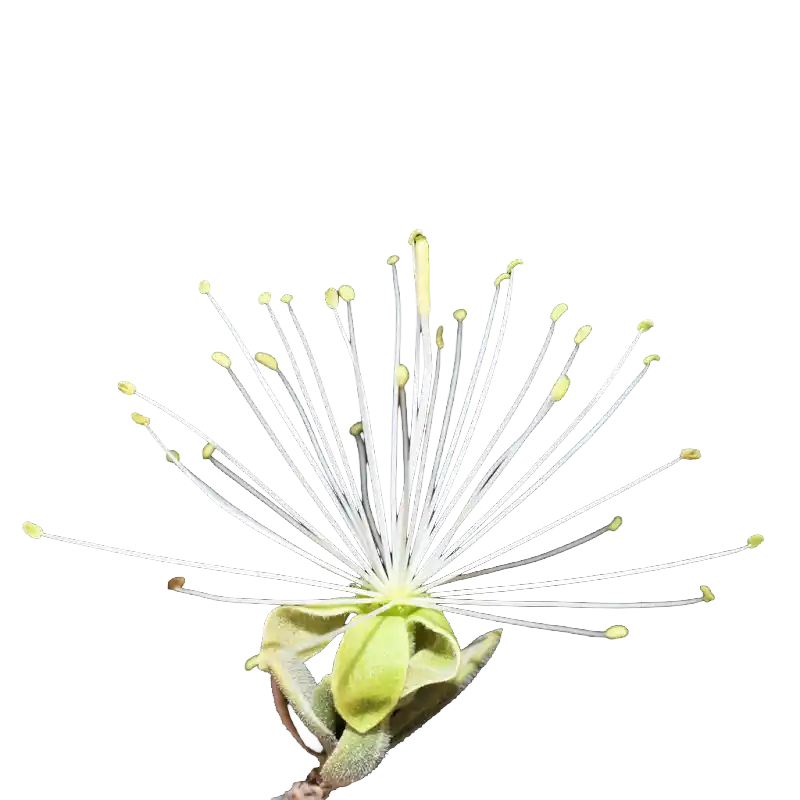
Maerua crassifolia (atil, sarḥ) is a hardy Saharan and Sahelian evergreen tree of the caper family, vital as fodder and famine food and widely used in desert folk medicine. Its leaves, bark and roots are used for digestive, inflammatory and febrile complaints, wounds and pain, with documented antimicrobial and antioxidant activity.السَّرْح (Maerua crassifolia، الأتِيل) شجرة صحراوية سّاحلية دائمة الخضرة قاسية من فصيلة الكبّار، حيويةٌ علفاً وغذاءَ مجاعة وواسعة الاستعمال في الطبّ الصحراوي الشعبي. وتُستعمل أوراقها ولحاؤها وجذورها للشكاوى الهضمية والالتهابية والحمّى والجروح والألم، بنشاطٍ موثّق مضاد للميكروبات والأكسدة.
Categoryالفئة
• Sahara/Sahel desert tree (caper family)
• Antimicrobial & antioxidant
• Digestive & anti-inflammatory (traditional)
• Fodder & famine food
• Wound & fever remedy• شجرة صحراوية سّاحلية/صحراوية (فصيلة الكبّار)
• مضادّة للميكروبات والأكسدة
• هاضمة ومضادّة للالتهاب (تقليدي)
• علفٌ وغذاء مجاعة
• علاجٌ للجروح والحمّى
Habitatالموطن
A small evergreen desert tree of the Sahara, Sahel and Arabian deserts, growing in wadis and arid plains from Mauritania to Sudan and Arabia.شجرة صحراوية صغيرة دائمة الخضرة في الصحراء الكبرى والسّاحل وصحارى الجزيرة، تنمو في الأودية والسهول القاحلة من موريتانيا إلى السودان والجزيرة.
Parts usedالأجزاء المستخدمة
• Leaves
• Bark
• Roots
• Twigs• الأوراق
• اللحاء
• الجذور
• الأغصان
Key constituentsالمكوّنات الفعّالة
• Flavonoids
• Alkaloids
• Glucosinolates (caper family)
• Tannins
• Phenolic acids• فلافونويدات
• قلويدات
• غلوكوزينولات (فصيلة الكبّار)
• تانينات
• أحماض فينولية
Researchالأبحاث
Maerua crassifolia leaf and bark extracts show antimicrobial, antioxidant and anti-inflammatory activity in laboratory studies, supporting its extensive desert ethnobotanical use for digestive, inflammatory and febrile conditions and wounds. Evidence is preclinical/ethnobotanical; the tree's greatest practical value is as drought fodder and emergency food.تُظهر مستخلصات أوراق ولحاء السَّرْح نشاطاً مضاداً للميكروبات والأكسدة والالتهاب في الدراسات المخبرية، بما يدعم استعمالها الصحراوي الإثنوبوتاني الواسع للحالات الهضمية والالتهابية والحمّى والجروح. والأدلة قبل سريرية/إثنوبوتانية؛ وأعظم قيمة عملية للشجرة علفاً في الجفاف وغذاءَ طوارئ.
Published researchأبحاث منشورة
Traditional useالاستخدام التقليدي
Used across the Sahara and Sahel for digestive and stomach complaints, colic and worms, for fever, malaria and headache, for rheumatism and body pain, as a wound, sore and skin remedy, and for coughs; leaves are eaten as a vegetable and it is prized fodder.تُستعمل عبر الصحراء والسّاحل للشكاوى الهضمية والمعدية والمغص والديدان، وللحمّى والملاريا والصداع، وللروماتزم وآلام الجسم، وعلاجاً للجروح والقروح والجلد، وللسعال؛ وتُؤكَل الأوراق خضاراً وهي علفٌ مُقدَّر.
Current useالاستخدام الحالي
Used as a desert folk remedy for digestion, fever and pain and as food/fodder; studied for antimicrobial and antioxidant activity.تُستعمل علاجاً صحراوياً شعبياً للهضم والحمّى والألم وغذاءً/علفاً؛ وتُدرَس لنشاطها المضاد للميكروبات والأكسدة.
Preparationsالتحضيرات
• Leaf/bark decoction
• Cooked leaf vegetable
• Topical wash/poultice• مغليّ الأوراق/اللحاء
• ورق مطبوخ خضاراً
• غسول/لبخة موضعية
Used for these conditionsيُستخدم لهذه الحالات
☾ Prophetic reference☾ إشارة نبوية
Maerua crassifolia is one of the trees called sarḥ (السَّرْح) in classical Arabic and is a well-known tree of the Arabian and Saharan deserts, mentioned in early Arabic poetry and lexicons. Its significance is linguistic/heritage as a noted desert tree rather than a specific prophetic medicinal prescription.السَّرْح (Maerua crassifolia) من الأشجار المعروفة في العربية الفصحى وهي شجرة مشهورة في صحارى الجزيرة والصحراء الكبرى، وردت في الشعر العربي القديم والمعاجم. ودلالتها لغوية/تراثية كشجرةٍ صحراوية معروفة لا وصفةٌ نبوية طبية بعينها.
Adult dosageجرعة البالغين
Leaf/bark decoction in traditional amounts; leaves as a cooked vegetable; per traditional practice.مغليّ الأوراق/اللحاء بكميات تقليدية؛ الأوراق خضاراً مطبوخاً؛ بحسب الممارسة التقليدية.
Child dosageجرعة الأطفال
Leaves as food; medicinal preparations only with guidance.الأوراق غذاءً؛ والمستحضرات الطبية بإرشادٍ فقط.
Cautionتحذيرات
Leaves as a cooked vegetable are a safe traditional food. Medicinal root/bark dosing is not standardised; use knowledgeable sourcing, avoid concentrated doses in pregnancy, and do not rely on it in place of treatment for malaria or serious infection.الأوراق خضاراً مطبوخاً غذاءٌ تقليدي آمن. وجرعة الجذر/اللحاء الطبية غير مقنّنة؛ فيُعتمَد مصدرٌ خبير، وتُتجنَّب الجُرَع المركّزة في الحمل، ولا يُعتمَد عليها بدلاً من علاج الملاريا أو العدوى الشديدة.
Pregnancy & nursingالحمل والرضاعة
Leaves as food are fine; avoid concentrated medicinal root/bark doses in pregnancy without guidance.الأوراق غذاءً مقبولة؛ وتُتجنَّب جُرَع الجذر/اللحاء الطبية المركّزة في الحمل دون إرشاد.