Introductionمقدّمة
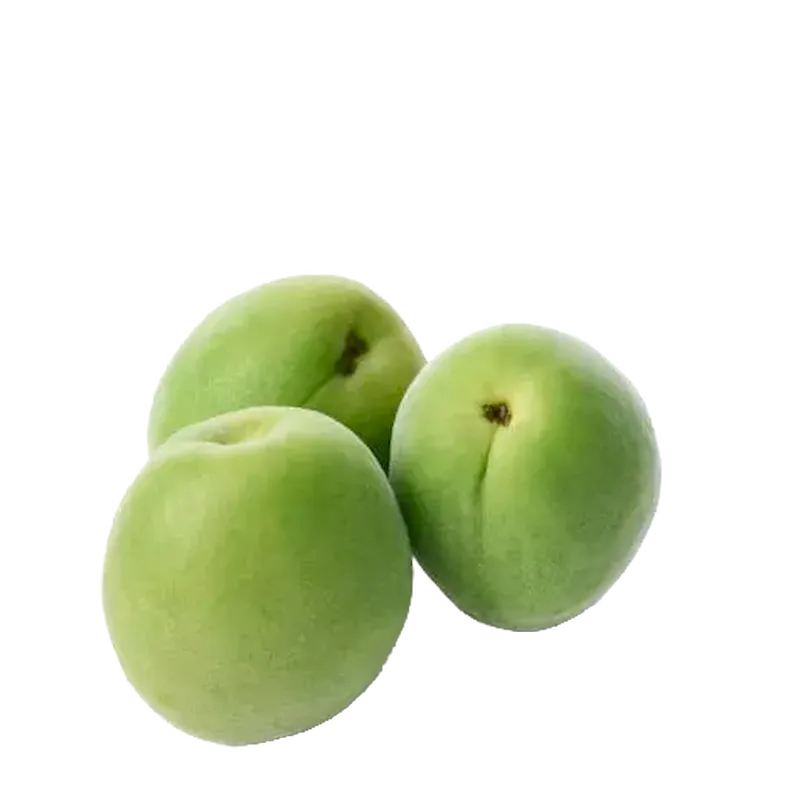
Asian Plum, scientifically known as Prunus mume, is a fruit-bearing tree belonging to the Rosaceae family. It is recognized for its small, sour-sweet plum-like fruits, which are used in culinary and potential medicinal applications. البرقوق الآسيوي، المعروف علمياً باسم Prunus mume، هو شجرة مثمرة تنتمي إلى الفصيلة الوردية. ويُعرف بثماره الصغيرة ذات المذاق الحلو والحامض التي تشبه البرقوق، والتي تُستخدم في الطهي ولها استخدامات طبية محتملة.
Categoryالفئة
• Nutrient-rich
• Potential antioxidant
• Culinary use in various dishes and traditional remedies• غني بالعناصر الغذائية
• مضاد للأكسدة محتمل
• يُستخدم في الطهي في أطباق متنوعة وعلاجات تقليدية
Habitatالموطن
Asian Plum trees are cultivated in various regions of Asia, including China and Japan. They thrive in temperate climates and well-drained soil. The plum fruits are the primary parts used, known for their unique flavor and potential health benefits.تُزرع أشجار البرقوق الآسيوي في مناطق مختلفة من آسيا، بما في ذلك الصين واليابان. وتزدهر في المناخات المعتدلة والتربة جيدة التصريف. وتُعدّ ثمار البرقوق الجزء الرئيسي المستخدم، وهي معروفة بنكهتها الفريدة وفوائدها الصحية المحتملة.
Parts usedالأجزاء المستخدمة
• Fruits (Asian Plum) • الفواكه (البرقوق الآسيوي)
Key constituentsالمكوّنات الفعّالة
• Anthocyanins in skin and (in colored types) flesh: mainly cyanidin‑3‑O‑glucoside and cyanidin‑3‑O‑rutinoside, with other cyanidin and peonidin derivatives contributing to red–purple color and antioxidant activity.
• Other phenolics: procyanidins (e.g., procyanidin B1), catechin, epicatechin, rutin (quercetin‑3‑rutinoside), and phenolic acids such as chlorogenic, caffeic and ferulic acids, plus broader polyphenol and tannin fractions.
• Vitamins and primary metabolites in the fruit: ascorbic acid (vitamin C), reducing sugars (glucose, fructose, sucrose), polysaccharides, and organic acids (notably malic acid) that shape taste and basic nutrition.
• Seed (kernel) oil fatty acids: oil rich in oleic and linoleic acids, with palmitic acid and smaller amounts of other saturated and unsaturated fatty acids, similar to other Prunus seed oils.onlinelibrary.
• الأنثوسيانين في القشرة (وفي الأنواع الملونة) اللب: يتكون أساسًا من سيانيدين-3-O-غلوكوزيد وسيانيدين-3-O-روتينوزيد، مع مشتقات أخرى من السيانيدين والبيونيدين التي تساهم في اللون الأحمر الأرجواني والنشاط المضاد للأكسدة.
• مركبات فينولية أخرى: بروسيانيدينات (مثل بروسيانيدين B1)، كاتشين، إبيكاتشين، روتين (كيرسيتين-3-روتينوزيد)، وأحماض فينولية مثل حمض الكلوروجينيك، وحمض الكافيين، وحمض الفيروليك، بالإضافة إلى مجموعة أوسع من البوليفينولات والتانينات.
• الفيتامينات والمستقلبات الأساسية في الثمرة: حمض الأسكوربيك (فيتامين C)، والسكريات المختزلة (الجلوكوز، والفركتوز، والسكروز)، والسكريات المتعددة، والأحماض العضوية (وخاصة حمض الماليك) التي تُشكل الطعم والقيمة الغذائية الأساسية.
• الأحماض الدهنية لزيت البذور (النواة): زيت غني بحمض الأوليك وحمض اللينوليك، مع حمض البالمتيك وكميات أقل من الأحماض الدهنية المشبعة وغير المشبعة الأخرى، على غرار زيوت بذور البرقوق الأخرى.
Researchالأبحاث
Research on Asian Plum has focused on its nutritional content, including organic acids, phenolic compounds, and vitamins. It is traditionally used in culinary dishes and as a potential source of antioxidants.ركزت الأبحاث على البرقوق الآسيوي على محتواه الغذائي، بما في ذلك الأحماض العضوية والمركبات الفينولية والفيتامينات. ويُستخدم تقليدياً في أطباق الطهي، كما يُعد مصدراً محتملاً لمضادات الأكسدة.
Published researchأبحاث منشورة
↗ Efficacy of a Standardized Extract of Prunus mume in Liver Protection and Redox Homeostasis: A Randomized, Double-Blind, Placebo-Controlled Study↗ Prunus mume extract and choline treatment in patients with non-alcoholic fatty liver disease estimated by b-mode ultrasonography and hepatorenal index↗ Current and potential trends in the bioactive properties and health benefits of Prunus mume Sieb. Et Zucc: a comprehensive review for value maximizationTraditional useالاستخدام التقليدي
Asian Plum is commonly used in Asian culinary traditions, where it is used in various dishes, including pickles, sauces, and beverages. While not typically used as an herbal remedy, it contributes to overall nutrition and well-being. يُستخدم البرقوق الآسيوي بكثرة في تقاليد الطهي الآسيوية، حيث يدخل في العديد من الأطباق، بما في ذلك المخللات والصلصات والمشروبات. ورغم أنه لا يُستخدم عادةً كعلاج عشبي، إلا أنه يُساهم في التغذية العامة والصحة العامة.
Current useالاستخدام الحالي
Asian Plum fruits are consumed fresh or processed into various culinary products. They are used to make pickled plums (umeboshi), sauces, and flavorings in Asian cuisine. They are valued for their unique taste and potential health benefits. تُستهلك ثمار البرقوق الآسيوي طازجة أو تُصنع منها منتجات طهي متنوعة. تُستخدم في تحضير البرقوق المخلل (أوميبوشي)، والصلصات، والمنكهات في المطبخ الآسيوي. وهي تُقدّر لمذاقها الفريد وفوائدها الصحية المحتملة.
Preparationsالتحضيرات
Culinaryطهي
Used for these conditionsيُستخدم لهذه الحالات
Adult dosageجرعة البالغين
The consumption of Asian Plum as part of a balanced diet is generally safe for adults. It is essential to include a variety of fruits and vegetables in the diet for overall health and nutrition.يُعدّ تناول البرقوق الآسيوي كجزء من نظام غذائي متوازن آمناً بشكل عام للبالغين. ومن الضروري إدراج مجموعة متنوعة من الفواكه والخضراوات في النظام الغذائي للحفاظ على الصحة العامة والتغذية السليمة.
Child dosageجرعة الأطفال
No specific herbal dosage is applicable to Asian Plum when consumed as food. The recommended daily intake may vary depending on individual dietary needs and culinary preferences. لا توجد جرعة عشبية محددة تنطبق على البرقوق الآسيوي عند تناوله كغذاء. قد يختلف المدخول اليومي الموصى به تبعًا للاحتياجات الغذائية الفردية والتفضيلات الطهوية.
Cautionتحذيرات
Asian Plum is considered safe for most people when consumed as part of a balanced diet. However, individuals with allergies to stone fruits (e.g., almonds, cherries) should exercise caution. People with specific medical conditions or dietary restrictions should consult a healthcare provider or dietitian. يُعتبر البرقوق الآسيوي آمناً لمعظم الناس عند تناوله كجزء من نظام غذائي متوازن. مع ذلك، ينبغي على الأشخاص الذين يعانون من حساسية تجاه الفواكه ذات النواة (مثل اللوز والكرز) توخي الحذر. كما يُنصح الأشخاص الذين يعانون من حالات طبية محددة أو لديهم قيود غذائية باستشارة طبيب أو أخصائي تغذية.