Introductionمقدّمة
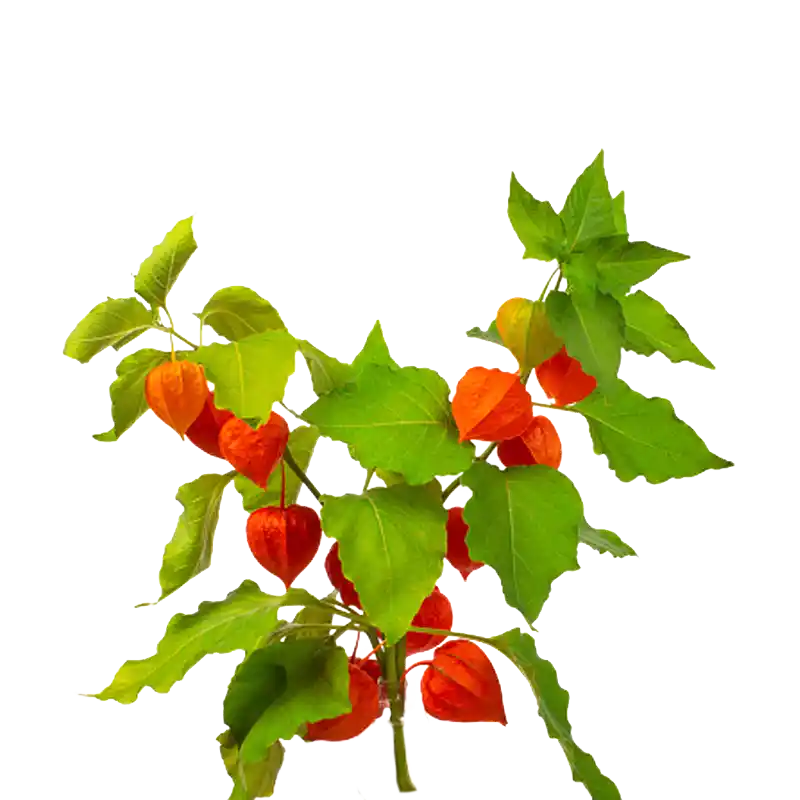
Physalis alkekengi ('jin deng long', Chinese lantern) is instantly recognised by its bright orange papery lantern-like calyx enclosing a red berry. The calyx and fruit are used in Chinese medicine to 'clear heat and resolve toxicity', benefit the throat and promote urination — for hot, swollen, painful sore throat, cough, and hot/damp urinary problems. Its steroidal physalins and flavonoids give researched anti-inflammatory, antimicrobial and antitussive activity. IMPORTANT: only the ripe fruit is edible; the leaves and unripe green parts contain toxic alkaloids/solanine-type compounds.فانوس الصين (Physalis alkekengi، «جين دنغ لونغ») يُعرَف فوراً بكأسه البرتقالي الزاهي الورقيّ الشبيه بالفانوس المحيط بحبّة حمراء. ويُستعمل الكأس والثمرة في الطبّ الصيني «لتنقية الحرارة وحلّ السميّة» ونفع الحلق وإدرار البول — لالتهاب الحلق الحارّ المتورّم المؤلم والسعال ومشاكل البول الحارّة/الرطبة. وفيزاليناتها الستيرويدية وفلافونويداتها تمنح نشاطاً مدروساً مضاداً للالتهاب والميكروبات والسعال. مهمّ: الثمرة الناضجة فقط صالحة للأكل؛ أمّا الأوراق والأجزاء الخضراء غير الناضجة فتحوي قلويدات سامّة/من نوع السولانين.
Categoryالفئة
• Heat-clearing throat & urinary herb (Solanaceae) ⚠️
• 'Jin deng long' — the papery lantern calyx for sore throat
• Anti-inflammatory, antimicrobial & antitussive (physalins, studied)
• Diuretic & antioxidant
• ⚠️ Only ripe fruit edible — leaves/unripe parts toxic; avoid in pregnancy• عشبة منقّية للحرارة للحلق والبول (الفصيلة الباذنجانية) ⚠️
• «جين دنغ لونغ» — الكأس الورقيّ الفانوسيّ لالتهاب الحلق
• مضادّة للالتهاب والميكروبات والسعال (فيزالينات، مدروسة)
• مدرّة ومضادّة للأكسدة
• ⚠️ الثمرة الناضجة فقط صالحة — الأوراق/الأجزاء غير الناضجة سامّة؛ تُتجنّب في الحمل
Habitatالموطن
A perennial of fields, hedges and gardens across Eurasia and East Asia, widely grown ornamentally; the calyx and berry are used.معمّرة في الحقول والأسيجة والحدائق عبر أوراسيا وشرق آسيا، تُزرَع زينةً واسعاً؛ يُستعمل الكأس والحبّة.
Parts usedالأجزاء المستخدمة
• Calyx (persistent 'lantern')
• Ripe fruit
• Whole aerial plant (traditional)• الكأس (الفانوس الباقي)
• الثمرة الناضجة
• النبات الهوائي كامل (تقليدي)
Key constituentsالمكوّنات الفعّالة
• Steroidal physalins (physalin A/B/L)
• Flavonoids (luteolin glycosides)
• Alkaloids (in leaves/unripe parts)
• Vitamin C & carotenoids (fruit)
• Physalin/withanolide-type steroids• فيزالينات ستيرويدية (فيزالين A/B/L)
• فلافونويدات (غليكوزيدات لوتيولين)
• قلويدات (في الأوراق/الأجزاء غير الناضجة)
• فيتامين C وكاروتينويدات (الثمرة)
• ستيرويدات من نوع الفيزالين/الويثانوليد
Researchالأبحاث
Physalis alkekengi and its steroidal physalins are studied for anti-inflammatory, antimicrobial, antiviral, antitumor and diuretic activity, with physalins shown to inhibit inflammatory pathways (e.g. MMP-9/AP-1); reviews cover its ethnomedicine, phytochemistry, pharmacology and quality control. Evidence is chiefly preclinical, consistent with its traditional throat and urinary use.يُدرَس فانوس الصين وفيزاليناته الستيرويدية لنشاطٍ مضاد للالتهاب والميكروبات والفيروسات والأورام ومدرّ، مع تثبيط الفيزالينات لمسارات التهابية (مثل MMP-9/AP-1)؛ وتغطّي المراجعات إثنوطبّه وكيمياءه وصيدلته وضبط جودته. والأدلة أوّلية غالباً، متّسقة مع استعماله التقليدي للحلق والبول.
Published researchأبحاث منشورة
Traditional useالاستخدام التقليدي
Papery calyx and ripe fruit decocted in Chinese medicine to 'clear heat and resolve toxicity', benefit the throat and lungs and promote urination — for hot, swollen, painful sore throat and hoarseness, cough with phlegm-heat, hot 'damp-heat' urinary difficulty and some skin/heat conditions; the ripe red berry is also eaten in small amounts as a tart fruit.يُغلى الكأس الورقيّ والثمرة الناضجة في الطبّ الصيني «لتنقية الحرارة وحلّ السميّة» ونفع الحلق والرئتين وإدرار البول — لالتهاب الحلق الحارّ المتورّم المؤلم والبحّة والسعال ببلغم-الحرارة وعُسر البول «الحارّ الرطب» وبعض حالات الجلد/الحرارة؛ وتُؤكل الحبّة الحمراء الناضجة بكميات صغيرة ثمرةً حامضة.
Current useالاستخدام الحالي
A heat-clearing throat and urinary herb (jin deng long) with researched anti-inflammatory physalins — used for hot sore throat and cough; only ripe fruit is edible.عشبة منقّية للحرارة للحلق والبول (جين دنغ لونغ) بفيزالينات مضادّة للالتهاب مدروسة — تُستعمل للحلق الحارّ المؤلم والسعال؛ والثمرة الناضجة فقط صالحة للأكل.
Preparationsالتحضيرات
• Calyx/fruit decoction
• Throat gargle/tea
• Ripe berry (eaten in small amounts)• مغلي الكأس/الثمرة
• غرغرة/شاي للحلق
• الحبّة الناضجة (تُؤكل بكميات صغيرة)
Used for these conditionsيُستخدم لهذه الحالات
Adult dosageجرعة البالغين
⚠️ Calyx/fruit decoction in modest traditional amounts per Chinese practice; use only the ripe fruit and the calyx, never the leaves or unripe green parts.⚠️ مغلي الكأس/الثمرة بكميات تقليدية معتدلة بحسب الممارسة الصينية؛ تُستعمل الثمرة الناضجة والكأس فقط، لا الأوراق أو الأجزاء الخضراء غير الناضجة.
Child dosageجرعة الأطفال
⚠️ Only under professional guidance; keep children away from the toxic leaves/unripe berries.⚠️ فقط بإرشاد مختصّ؛ ويُبعَد الأطفال عن الأوراق/الحبّات غير الناضجة السامّة.
Cautionتحذيرات
⚠️ Only the fully ripe fruit and the papery calyx are used — the leaves, stems and unripe green berries contain toxic solanine-type alkaloids and should not be eaten. Being cold and toxin-clearing it does not suit cold, weak or deficient patterns, and it is traditionally avoided in pregnancy. Keep to modest amounts of the correct parts and use under guidance; keep the ornamental plant away from children and pets.⚠️ تُستعمل فقط الثمرة الناضجة تماماً والكأس الورقيّ — أمّا الأوراق والسيقان والحبّات الخضراء غير الناضجة فتحوي قلويدات سامّة من نوع السولانين ولا تُؤكل. وكونه بارداً منقّياً للسميّة لا يناسب أنماط البرد أو الضعف أو النقص، ويُتجنّب تقليدياً في الحمل. تُبقى الكميات معتدلة من الأجزاء الصحيحة ويُستعمل بإرشاد؛ ويُبعَد نبات الزينة عن الأطفال والحيوانات.
Pregnancy & nursingالحمل والرضاعة
⚠️ Traditionally regarded as able to stimulate the uterus and cold/toxin-clearing — avoid medicinal use in pregnancy.⚠️ يُعدّ تقليدياً قادراً على تنبيه الرحم ومنقّياً للبرد/السميّة — يُتجنّب الاستعمال العلاجي في الحمل.