Introductionمقدّمة
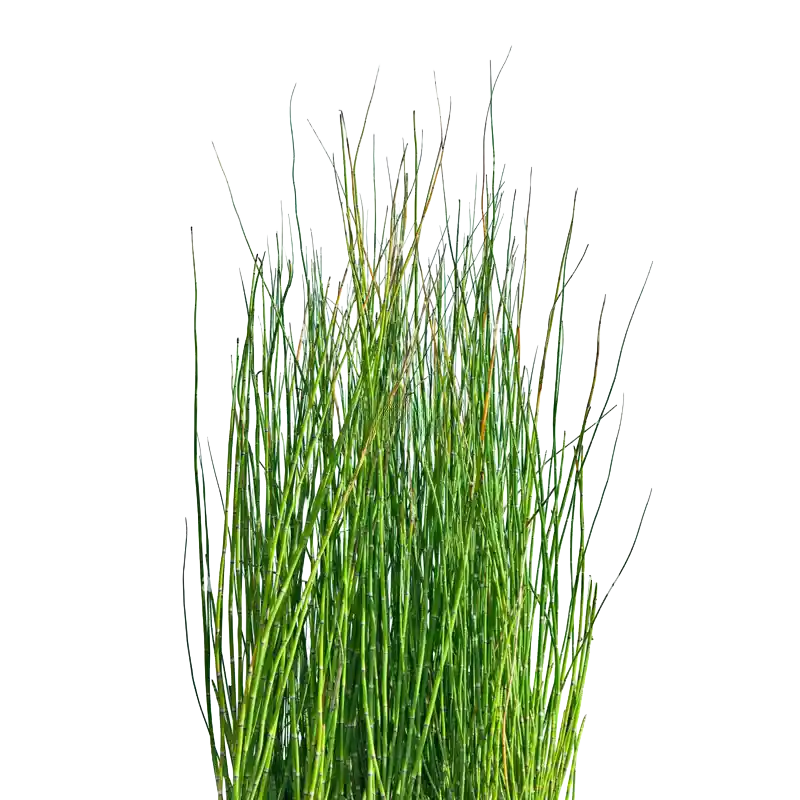
Equisetum hyemale (rough horsetail, scouring rush, 'mu zei') is a hollow-stemmed, very silica-rich fern-ally used in Chinese medicine especially for the eyes — to 'clear wind-heat and brighten the eyes' (for red, painful, watery eyes and superficial visual obstruction) — and, like Western horsetail, as a diuretic and haemostatic for urinary complaints and bleeding, and to support wound and connective-tissue healing. Studies report diuretic, anti-inflammatory, antioxidant and haemostatic activity. ⚠️ Like other horsetails it contains thiaminase, so prolonged use is discouraged.ذنب الخيل الخشن (Equisetum hyemale، «مو زي») قريبُ سرخسٍ أجوف الساق غنيّ جداً بالسيليكا يُستعمل في الطبّ الصيني خاصةً للعين — «لتصفية ريح-الحرارة وتنوير العين» (للعيون الحمراء المؤلمة الدامعة والحجاب البصري السطحي) — وكذنب الخيل الغربي مُدرّاً ومُرقئاً لشكاوى البول والنزف، ولدعم التئام الجروح والنسيج الضامّ. وتذكر الدراسات نشاطاً مُدرّاً ومضاداً للالتهاب والأكسدة ومُرقئاً. ⚠️ وكسائر أنواع ذنب الخيل تحتوي ثياميناز، فيُثبَّط الاستعمال المطوّل.
Categoryالفئة
• Silica-rich fern-ally (Equisetaceae)
• 'Mu zei'/scouring rush — eye, diuretic & bleeding herb
• Diuretic, anti-inflammatory & haemostatic (studied)
• Silica-rich, antioxidant; wound & bone support
• Traditional eye, urinary, bleeding & wound herb
• ⚠️ Contains thiaminase — avoid prolonged use• قريب سرخس غنيّ بالسيليكا (فصيلة ذنب الخيل)
• «مو زي»/ذنب الخيل — عشبة للعين والإدرار والنزف
• مُدرّة ومضادة للالتهاب ومُرقئة (مدروس)
• غنية بالسيليكا، مضادة للأكسدة؛ دعم للجروح والعظام
• عشبة تقليدية للعين والبول والنزف والجروح
• ⚠️ تحتوي ثياميناز — يُتجنّب الاستعمال المطوّل
Habitatالموطن
An evergreen, hollow-stemmed fern-ally of wet banks, ditches and damp ground across the northern hemisphere.قريبُ سرخسٍ دائم الخضرة أجوف الساق على الضفاف الرطبة والخنادق والأرض الرطبة عبر نصف الكرة الشمالي.
Parts usedالأجزاء المستخدمة
• Aerial stems (main)• السيقان الهوائية (رئيسي)
Key constituentsالمكوّنات الفعّالة
• Silica (very high)
• Flavonoids & phenolic acids
• Saponins
• Trace alkaloids & thiaminase
• Antioxidant compounds• سيليكا (عالية جداً)
• فلافونويدات وأحماض فينولية
• صابونينات
• قلويدات نزرة وثياميناز
• مركّبات مضادة للأكسدة
Researchالأبحاث
Equisetum species (including E. hyemale) are documented for diuretic, anti-inflammatory, antioxidant, haemostatic and wound-supporting activity, with high silica and flavonoid content; E. arvense has an EMA herbal monograph for diuretic 'irrigation' use, and reviews cover the genus's kidney-related potential. This supports the traditional eye, urinary, bleeding and wound uses of mu zei; evidence is chiefly preclinical/traditional.أنواع ذنب الخيل (ومنها E. hyemale) موثّقة لنشاطٍ مُدرّ ومضاد للالتهاب والأكسدة ومُرقئ وداعم للجروح، بمحتوى سيليكا وفلافونويد عالٍ؛ ولـE. arvense مونوغراف أعشاب من EMA للاستعمال المُدرّ «الغاسل»، وتغطّي المراجعاتُ إمكان الجنس المتعلّق بالكلى. وهذا يدعم استعمالات «مو زي» التقليدية للعين والبول والنزف والجروح؛ والأدلة أوّلية/تقليدية أساساً.
Published researchأبحاث منشورة
Traditional useالاستخدام التقليدي
Stem decoction used in Chinese medicine to 'clear wind-heat and brighten the eyes' — for red, painful, watery or light-sensitive eyes and superficial visual haze/pterygium — and to stop bleeding (blood in stool, bleeding piles); in Western herbalism the silica-rich stems are used as a diuretic 'irrigation' for urinary-tract complaints and gravel, to strengthen hair, nails, bone and connective tissue, and applied to wounds to stop bleeding and aid healing.يُستعمل مغلي الساق في الطبّ الصيني «لتصفية ريح-الحرارة وتنوير العين» — للعيون الحمراء المؤلمة الدامعة أو الحسّاسة للضوء والغَبَش البصري السطحي/الظفرة — ولإيقاف النزف (الدم في البراز والبواسير النازفة)؛ وفي العشبية الغربية تُستعمل السيقان الغنية بالسيليكا مُدرّاً «غاسلاً» لشكاوى المجاري البولية والرمل ولتقوية الشعر والأظافر والعظام والنسيج الضامّ، وتُوضَع على الجروح لإيقاف النزف وإعانة الالتئام.
Current useالاستخدام الحالي
A silica-rich diuretic, eye, bleeding and connective-tissue herb (mu zei/horsetail) with researched diuretic, anti-inflammatory and haemostatic activity; used in modest, time-limited amounts.عشبة مُدرّة غنية بالسيليكا للعين والنزف والنسيج الضامّ (مو زي/ذنب الخيل) بنشاطٍ مُدرّ ومضاد للالتهاب ومُرقئ مدروس؛ تُستعمل بكميات معتدلة محدودة زمنياً.
Preparationsالتحضيرات
• Stem decoction / infusion (short courses)
• Eye formulas (mu zei)
• External wash (wounds)• مغلي/نقيع الساق (دورات قصيرة)
• خلطات العين (مو زي)
• غسول خارجي (للجروح)
Used for these conditionsيُستخدم لهذه الحالات
Adult dosageجرعة البالغين
Stem decoction/infusion per traditional practice, with adequate fluids; short courses rather than prolonged daily use.مغلي/نقيع الساق بحسب الممارسة التقليدية، مع سوائل كافية؛ ودوراتٌ قصيرة لا استعمالاً يومياً مطوّلاً.
Child dosageجرعة الأطفال
Not recommended for prolonged use in children (thiaminase); use only with guidance.غير موصى به للاستعمال المطوّل للأطفال (ثياميناز)؛ ويُستعمل فقط بإرشاد.
Cautionتحذيرات
⚠️ Horsetail contains thiaminase, an enzyme that breaks down vitamin B1 (thiamine), so avoid prolonged or heavy use, which could contribute to thiamine deficiency (some products are 'thiaminase-free'/standardised). Take diuretic doses with plenty of fluids; those with kidney or heart disease should use only under medical guidance. Correctly identify it and avoid contaminated/roadside plants (horsetails can concentrate metals).⚠️ يحتوي ذنب الخيل ثياميناز، إنزيمٌ يفكّك فيتامين B1 (الثيامين)، فيُتجنّب الاستعمال المطوّل أو الكثيف الذي قد يُسهِم في نقص الثيامين (وبعض المنتجات «خالية من الثياميناز»/مقنّنة). وتُؤخَذ الجُرَع المُدرّة مع سوائل وافرة؛ ومن لديه مرض كلى أو قلب يستعمله فقط بإرشاد طبّي. ويُحدَّد صحيحاً وتُتجنّب النباتات الملوّثة/حواف الطرق (فذنب الخيل قد يركّز المعادن).
Pregnancy & nursingالحمل والرضاعة
⚠️ Best avoided in medicinal amounts during pregnancy and breastfeeding (insufficient safety data; thiaminase content).⚠️ الأفضل تجنّبه بكميات علاجية في الحمل والرضاعة (بيانات سلامة غير كافية؛ محتوى الثياميناز).