
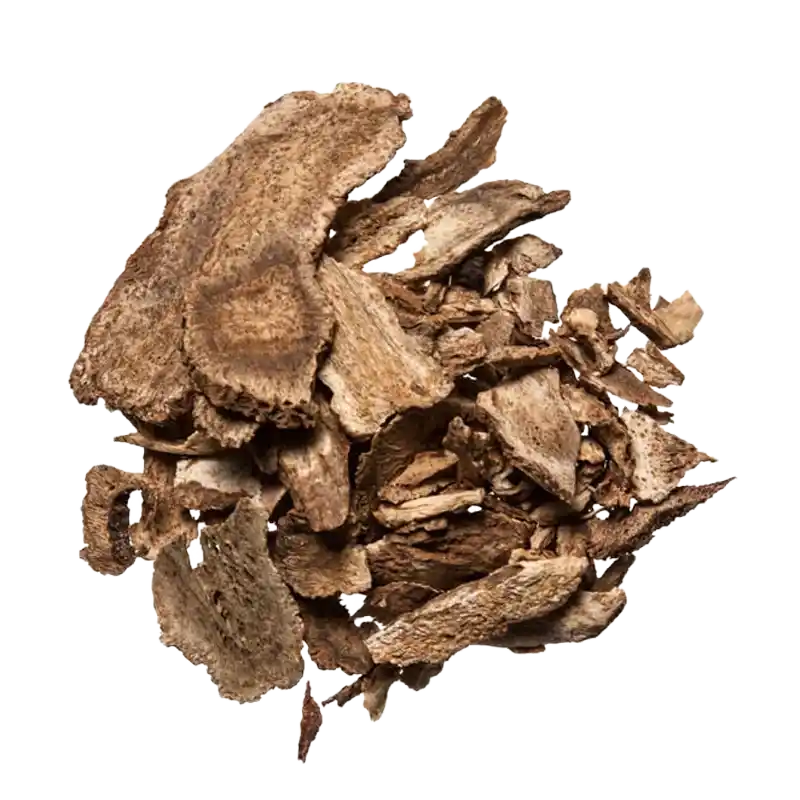
Introductionمقدّمة
Dolomiaea souliei ('chuan mu xiang', a costus/'mu xiang' source) is an aromatic Himalayan-Tibetan root used in Chinese and Tibetan medicine to 'move qi and relieve pain' and regulate the digestion — for abdominal and epigastric bloating, distension and pain, poor appetite, diarrhoea and dysentery with tenesmus. Its costunolide-type sesquiterpene lactones and essential oil give anti-inflammatory, gastroprotective, antimicrobial and antioxidant activity.جذر القسط (Dolomiaea souliei، «تشوان مو شيانغ»، مصدرُ قسط/«مو شيانغ») جذرٌ عطريّ هيمالايي-تبتي يُستعمل في الطبّ الصيني والتبتي «لتحريك التشي وتخفيف الألم» وتنظيم الهضم — للانتفاخ البطني والشرسوفي والتمدّد والألم وضعف الشهية والإسهال والزحار مع الزحير. ولاكتوناته السيسكويتربينية من نوع الكوستونوليد وزيته الطيّار تمنح نشاطاً مضاداً للالتهاب وواقياً للمعدة ومضاداً للميكروبات والأكسدة.
Categoryالفئة
• Aromatic qi-moving root (Asteraceae)
• 'Chuan mu xiang'/costus — digestive & 'qi'-regulating root
• Anti-inflammatory, gastroprotective & antimicrobial (studied)
• Antioxidant; carminative
• Traditional bloating, pain, diarrhoea & 'qi-stagnation' herb• جذر عطريّ محرّك للتشي (الفصيلة النجمية)
• «تشوان مو شيانغ»/قسط — جذر هاضم و«منظّم للتشي»
• مضاد للالتهاب وواقٍ للمعدة ومضاد للميكروبات (مدروس)
• مضاد للأكسدة؛ طارد للريح
• عشبة تقليدية للانتفاخ والألم والإسهال و«ركود التشي»
Habitatالموطن
An aromatic-rooted herb of high Himalayan and Tibetan grasslands, collected/cultivated for its 'mu xiang'-type medicinal root.عشبة عطرية الجذر في مراعي الهيمالايا والتبت العالية، تُجمَع/تُزرَع لجذرها الطبّي من نوع «مو شيانغ».
Parts usedالأجزاء المستخدمة
• Root (main)• الجذر (رئيسي)
Key constituentsالمكوّنات الفعّالة
• Sesquiterpene lactones (costunolide, dehydrocostus lactone)
• Essential oil & terpenes
• Flavonoids & phenolics
• Sterols
• Antioxidant compounds• لاكتونات سيسكويتربينية (كوستونوليد، ديهيدروكوستوس لاكتون)
• زيت طيّار وتربينات
• فلافونويدات وفينولات
• ستيرولات
• مركّبات مضادة للأكسدة
Researchالأبحاث
Dolomiaea souliei (chuan mu xiang) is documented for anti-inflammatory, gastroprotective, antimicrobial and antioxidant activity, largely from its sesquiterpene lactones (costunolide, dehydrocostus lactone) and essential oil, supporting its traditional 'qi-moving', digestive and pain-relieving use. Evidence is chiefly preclinical, with strong classical use as a 'mu xiang'-type digestive.جذر القسط (تشوان مو شيانغ) موثّقٌ لنشاطٍ مضاد للالتهاب وواقٍ للمعدة ومضاد للميكروبات والأكسدة، غالباً من لاكتوناته السيسكويتربينية (الكوستونوليد، ديهيدروكوستوس لاكتون) وزيته الطيّار، بما يدعم استعماله «المحرّك للتشي» والهاضم والمسكّن التقليدي. والأدلة أوّلية أساساً، باستعمالٍ كلاسيكي قويّ هاضماً من نوع «مو شيانغ».
Published researchأبحاث منشورة
Traditional useالاستخدام التقليدي
Aromatic root decocted or powdered in Chinese and Tibetan medicine to 'move qi and stop pain' and regulate the middle burner — for bloating, fullness, distension and pain in the stomach and abdomen, poor appetite, belching, nausea, and diarrhoea or dysentery with tenesmus; a 'chuan mu xiang' digestive/qi-regulating herb used in many digestive formulas.يُغلى الجذر العطريّ أو يُسحَق في الطبّ الصيني والتبتي «لتحريك التشي وإيقاف الألم» وتنظيم المحرقة الوسطى — للانتفاخ والامتلاء والتمدّد والألم في المعدة والبطن وضعف الشهية والتجشّؤ والغثيان والإسهال أو الزحار مع الزحير؛ عشبة «تشوان مو شيانغ» هاضمة/منظّمة للتشي تُستعمل في خلطاتٍ هضمية كثيرة.
Current useالاستخدام الحالي
A traditional qi-moving, digestive and pain-relieving costus root (chuan mu xiang) with researched anti-inflammatory, gastroprotective and antimicrobial activity.جذر قسط محرّك للتشي هاضم ومسكّن تقليدي (تشوان مو شيانغ) بنشاطٍ مضاد للالتهاب وواقٍ للمعدة ومضاد للميكروبات مدروس.
Preparationsالتحضيرات
• Root decoction / powder
• In digestive/qi-moving formulas• مغلي/مسحوق الجذر
• في خلطات هضمية/محرّكة للتشي
Used for these conditionsيُستخدم لهذه الحالات
Adult dosageجرعة البالغين
Root decoction/powder in modest traditional amounts per Chinese practice (added late in decoction to preserve aroma); in digestive formulas.مغلي/مسحوق الجذر بكميات تقليدية معتدلة بحسب الممارسة الصينية (يُضاف أواخر المغلي حفظاً للعبق)؛ وفي خلطات الهضم.
Child dosageجرعة الأطفال
Used (in formulas) for children's digestive complaints under professional guidance.يُستعمل (في الخلطات) لشكاوى هضم الأطفال بإرشاد مختصّ.
Cautionتحذيرات
Generally used within traditional formulas and considered relatively safe as a digestive. Being warming and drying/moving, it may not suit those with marked dryness or 'yin deficiency with heat'; keep to modest amounts. Its sesquiterpene lactones (Asteraceae) may cause allergy/skin sensitivity in susceptible people. Confirm correct 'mu xiang' species and use under guidance.يُستعمل عموماً ضمن الخلطات التقليدية ويُعدّ آمناً نسبياً هاضماً. وكونه مدفّئاً مجفّفاً محرّكاً قد لا يناسب ذوي الجفاف الواضح أو «نقص اليِن مع الحرارة»؛ فيُقتصَر على كميات معتدلة. ولاكتوناته السيسكويتربينية (النجمية) قد تُسبّب حساسية/تحسّس جلد لدى القابلين. ويُؤكَّد نوع «مو شيانغ» الصحيح ويُستعمل بإرشاد.
Pregnancy & nursingالحمل والرضاعة
Insufficient safety data — best avoided in medicinal amounts during pregnancy without guidance.بيانات سلامة غير كافية — الأفضل تجنّبه بكميات علاجية في الحمل دون إرشاد.


