Introductionمقدّمة
Rumex acetosa (common/garden sorrel) is a leafy herb with a sharp, lemony-sour taste (from oxalic acid), grown and foraged as a tangy salad and soup green. Its vitamin-C-rich leaves are a cooling antiscorbutic and thirst-quencher used for fevers, digestion and (as a poultice) skin, with antioxidant, antimicrobial and diuretic activity — but its oxalic acid means moderation.الحُمّاض (Rumex acetosa) عشبةٌ ورقية بطعمٍ حامضٍ ليمونيّ لاذع (من حمض الأوكساليك)، يُزرَع ويُجنى خضار سلطةٍ وحساءٍ لاذعاً. وأوراقه الغنية بفيتامين C مُبرِّدةٌ مضادّة للأسقربوط ومُروِّية للعطش تُستعمل للحمّيات والهضم و(لبخةً) للجلد، بنشاطٍ مضاد للأكسدة والميكروبات ومُدرّ — لكنّ حمض الأوكساليك يعني الاعتدال.
Categoryالفئة
• Sour edible leaf herb (Polygonaceae)
• Vitamin-C antiscorbutic & 'cooling' (thirst, fever)
• Antioxidant, antimicrobial & diuretic (studied)
• Digestive & mild laxative
• ⚠️ Oxalic acid — limit with kidney stones• عشبة ورقٍ حامضة صالحة للأكل (فصيلة عقد الركب)
• مضادّة للأسقربوط بفيتامين C و«مُبرِّدة» (عطش، حمّى)
• مضادّة للأكسدة والميكروبات ومُدرّة (مدروسة)
• هاضمة ومليّنة خفيفة
• ⚠️ حمض الأوكساليك — يُقلَّل مع حصى الكلى
Habitatالموطن
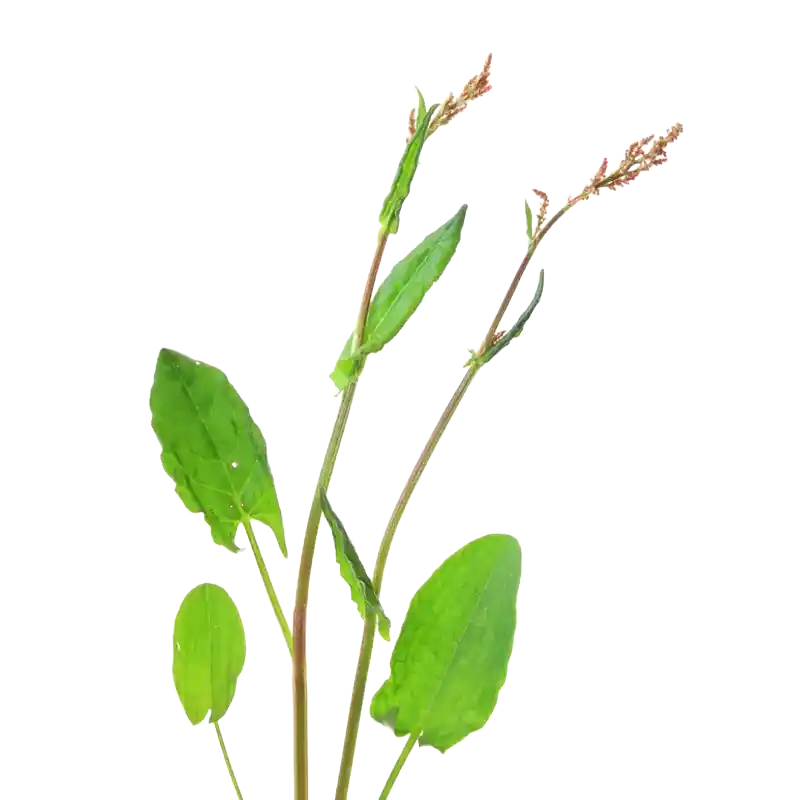
A perennial herb with arrow-shaped leaves and reddish flower spikes, of meadows, grassland and open ground across Europe, Asia and North America; also cultivated as a salad.عشبةٌ معمّرة بأوراقٍ سهمية الشكل وسنابل زهرٍ محمرّة، في المروج والمراعي والأرض المفتوحة عبر أوروبا وآسيا وأمريكا الشمالية؛ وتُزرَع سلطةً أيضاً.
Parts usedالأجزاء المستخدمة
• Leaves (food & medicine)
• Root (astringent)• الأوراق (غذاء ودواء)
• الجذر (قابض)
Key constituentsالمكوّنات الفعّالة
• Oxalic acid & oxalates (sour)
• Vitamin C
• Flavonoids & anthraquinones
• Tannins (root)
• Organic acids• حمض الأوكساليك والأوكسالات (الحموضة)
• فيتامين C
• فلافونويدات وأنثراكينونات
• تانينات (الجذر)
• أحماض عضوية
Researchالأبحاث
Rumex acetosa is well documented in ethnobotanical/pharmacological reviews (it is treated as both a wild vegetable and medicinal plant) for antioxidant, antimicrobial, anti-inflammatory and diuretic activity of its vitamin-C-, flavonoid- and anthraquinone-rich extracts, supporting its cooling antiscorbutic and digestive use. The key caution is its oxalic-acid content. Evidence is preclinical.الحُمّاض موثّقٌ جيداً في مراجعات الإثنوبوتانيا/الدوائية (يُعامَل خضاراً برّياً ونبتةً طبية) بنشاطٍ مضاد للأكسدة والميكروبات والالتهاب ومُدرّ لمستخلصاته الغنية بفيتامين C والفلافونويد والأنثراكينون، بما يدعم استعماله المُبرِّد المضاد للأسقربوط والهاضم. والمحذور الرئيس محتواه من حمض الأوكساليك. والأدلة قبل سريرية.
Published researchأبحاث منشورة
Traditional useالاستخدام التقليدي
Leaves eaten raw or cooked as a sour salad, soup and sauce green; used as a cooling antiscorbutic and thirst-quencher for fevers and 'heat', to stimulate appetite and digestion, as a diuretic and mild laxative, and (poultice) on skin, boils and inflammation; the root is a stronger astringent.تُؤكَل الأوراق نيّئة أو مطبوخة سلطةً وحساءً وصلصةً حامضة؛ وتُستعمل مُبرِّدةً مضادّة للأسقربوط ومُروِّية للعطش للحمّيات و«الحرارة» ولتنبيه الشهية والهضم ومُدرّاً ومليّناً خفيفاً و(لبخةً) على الجلد والدمامل والالتهاب؛ والجذر قابضٌ أقوى.
Current useالاستخدام الحالي
Grown/eaten as a sour salad and soup green and used as a cooling antiscorbutic/digestive folk herb; studied for antioxidant and antimicrobial activity.يُزرَع/يُؤكَل خضار سلطةٍ وحساءٍ حامضاً ويُستعمل علاجاً شعبياً مُبرِّداً مضادّاً للأسقربوط/هاضماً؛ ويُدرَس لنشاطه المضاد للأكسدة والميكروبات.
Preparationsالتحضيرات
• Fresh sour leaves (salad/soup/sauce)
• Leaf infusion (cooling/antiscorbutic)
• Poultice (skin/boils)
• Root decoction (astringent)• أوراق حامضة طازجة (سلطة/حساء/صلصة)
• نقيع الأوراق (مُبرِّد/مضاد للأسقربوط)
• لبخة (للجلد/الدمامل)
• مغليّ الجذر (قابض)
Used for these conditionsيُستخدم لهذه الحالات
Adult dosageجرعة البالغين
Leaves as a sour salad/soup green in moderation; a leaf infusion in traditional amounts; per traditional practice.الأوراق خضار سلطةٍ/حساءٍ حامضاً باعتدال؛ نقيع أوراقٍ بكميات تقليدية؛ بحسب الممارسة التقليدية.
Child dosageجرعة الأطفال
A little as a sour green is fine for children; avoid large amounts (oxalate).القليل خضاراً حامضاً مقبول للأطفال؛ وتُتجنَّب الكميات الكبيرة (الأوكسالات).
Cautionتحذيرات
⚠️ Because it is high in oxalic acid/oxalates, eat it only in moderation, and limit or avoid it if you are prone to kidney stones, have kidney disease, gout or arthritis, or take mineral supplements (oxalates bind minerals). Very large amounts can be harmful. In normal culinary amounts it is a safe, tangy, vitamin-C-rich green.⚠️ لأنّه عالٍ بحمض الأوكساليك/الأوكسالات، يُؤكَل باعتدال فقط، ويُقلَّل أو يُتجنَّب عند التعرّض لحصى الكلى أو مرض الكلى أو النقرس أو التهاب المفاصل أو تناول مكمّلات المعادن (فالأوكسالات تربط المعادن). والكميات الكبيرة جداً قد تضرّ. وبكميات الطهي العادية هو خضارٌ آمن حامض غنيّ بفيتامين C.
Pregnancy & nursingالحمل والرضاعة
Small food/salad amounts are fine; avoid large or concentrated medicinal doses in pregnancy (high oxalate).كميات الغذاء/السلطة الصغيرة مقبولة؛ وتُتجنَّب الجُرَع الكبيرة أو الطبية المركّزة في الحمل (أوكسالات عالية).