Introductionمقدّمة
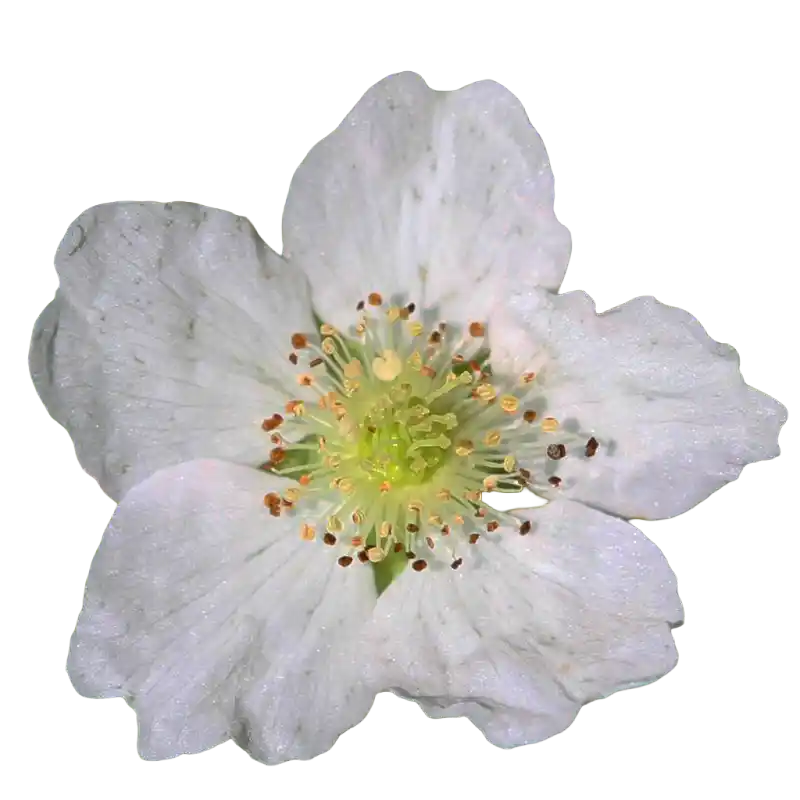
Rubus caesius (European dewberry) is a low, blue-bloomed bramble, close relative of blackberry. Its tannin-rich leaves are a classic astringent for diarrhoea, sore throat and mouth inflammation, and its edible blue-black berries are an antioxidant food. Studies report antioxidant, antimicrobial and blood-sugar-lowering activity, and the leaves are used in anti-ageing skin care.العليق الأزرق (Rubus caesius) عليقٌ منخفض بزهرةٍ زرقاء، قريبٌ للتوت الأسود. وأوراقه الغنية بالتانين قابضٌ كلاسيكي للإسهال والتهاب الحلق والفم، وثماره الزرقاء-السوداء الصالحة للأكل غذاءٌ مضاد للأكسدة. وتذكر الدراسات نشاطاً مضاداً للأكسدة والميكروبات وخافضاً لسكر الدم، وتُستعمل الأوراق في العناية بالبشرة المضادة للشيخوخة.
Categoryالفئة
• Bramble/blackberry-relative (Rosaceae)
• Astringent leaf (diarrhoea, gargle)
• Antioxidant, antimicrobial & antidiabetic (studied)
• Edible antioxidant fruit
• Wound & skin remedy• عليق/قريب للتوت الأسود (الفصيلة الوردية)
• ورقٌ قابض (إسهال، غرغرة)
• مضاد للأكسدة والميكروبات والسكري (مدروس)
• ثمرٌ صالح للأكل مضاد للأكسدة
• علاجٌ للجروح والجلد
Habitatالموطن
A low, sprawling bramble with a bluish waxy bloom on the stems and blue-black berries, of hedges, scrub, woodland edges and damp ground across Europe and western Asia.عليقٌ منخفض منتشر بزهرةٍ شمعية مُزرقّة على السيقان وثمارٍ زرقاء-سوداء، في الأسيجة والأدغال وحواف الغابات والأرض الرطبة عبر أوروبا وغرب آسيا.
Parts usedالأجزاء المستخدمة
• Leaves (astringent)
• Fruit (food)
• Root (astringent)• الأوراق (قابض)
• الثمر (غذاء)
• الجذر (قابض)
Key constituentsالمكوّنات الفعّالة
• Tannins (ellagitannins)
• Flavonoids
• Phenolic acids (chlorogenic, ellagic)
• Anthocyanins (fruit)
• Vitamin C & fruit acids• تانينات (إيلاجيتانينات)
• فلافونويدات
• أحماض فينولية (كلوروجينيك، إيلاجيك)
• أنثوسيانينات (الثمر)
• فيتامين C وأحماض الثمر
Researchالأبحاث
Rubus caesius leaves are documented (a pharmacognostic study shows hypoglycaemic activity; other work confirms antimicrobial, antityrosinase and anticollagenase 'anti-ageing' skin activity) for a rich ellagitannin and phenolic-acid content with antioxidant, antimicrobial and blood-sugar-lowering activity; the berries are an antioxidant food. This supports the traditional astringent and skin use of dewberry leaves. Evidence is preclinical.أوراق العليق الأزرق موثّقة (تُظهر دراسةٌ فارماكوغنوزية نشاطاً خافضاً لسكر الدم؛ ويؤكّد عملٌ آخر نشاطاً مضاداً للميكروبات ومضاداً للتيروزيناز والكولاجيناز «مضاداً للشيخوخة» للجلد) بمحتوى إيلاجيتانيني وحمضٍ فينولي غنيّ بنشاطٍ مضاد للأكسدة والميكروبات وخافض لسكر الدم؛ والثمر غذاءٌ مضاد للأكسدة. وهذا يدعم الاستعمال التقليدي القابض والجلدي لأوراق العليق. والأدلة قبل سريرية.
Published researchأبحاث منشورة
Traditional useالاستخدام التقليدي
Leaves used as an astringent tea for diarrhoea and dysentery, as a gargle and mouth rinse for sore throat, mouth ulcers and inflamed gums, on wounds and skin as a wash, and traditionally for 'women's' complaints; the berries eaten fresh and in preserves as an antioxidant food.تُستعمل الأوراق شاياً قابضاً للإسهال والزحار وغرغرةً ومضمضةً لالتهاب الحلق وقرح الفم واللثة الملتهبة وعلى الجروح والجلد غسولاً وتقليدياً لشكاوى «النساء»؛ ويُؤكَل الثمر طازجاً وفي المحفوظات غذاءً مضاداً للأكسدة.
Current useالاستخدام الحالي
Used as an astringent/gargle leaf tea and an antioxidant berry; leaves studied for antidiabetic and skin-care activity.يُستعمل شاي أوراقٍ قابضاً/غرغرة وثمراً مضاداً للأكسدة؛ وتُدرَس الأوراق لنشاطها المضاد للسكري والعناية بالبشرة.
Preparationsالتحضيرات
• Leaf infusion (astringent tea)
• Gargle/mouth rinse
• Edible berries (fresh/preserve)
• Skin wash / cosmetic extract• نقيع الأوراق (شاي قابض)
• غرغرة/مضمضة
• ثمار صالحة للأكل (طازجة/محفوظة)
• غسول للجلد/مستخلص تجميلي
Used for these conditionsيُستخدم لهذه الحالات
Adult dosageجرعة البالغين
Leaf infusion 1–2 g in hot water 2–3× daily; the same as a gargle; fruit freely as food; per traditional practice.نقيع الأوراق 1–2 غ في ماءٍ حارّ 2–3 مرات يومياً؛ وهو نفسه غرغرةً؛ الثمر بحرّية غذاءً؛ بحسب الممارسة التقليدية.
Child dosageجرعة الأطفال
Fruit is a healthy food; a weak leaf tea for older children's diarrhoea/sore throat.الثمر غذاءٌ صحّي؛ وشاي ورقٍ خفيف لإسهال/التهاب حلق الأطفال الأكبر.
Cautionتحذيرات
A gentle, useful astringent and a healthful berry. The leaf tannins make strong long-term internal use hard on the stomach and can reduce iron/nutrient absorption, so take apart from meals and use short courses. Those on diabetes medicines should note the leaf's blood-sugar-lowering effect.قابضٌ لطيف نافع وثمرٌ صحّي. وتانينات الورق تجعل الاستعمال الداخلي القوي الطويل شاقّاً على المعدة وقد تقلّل امتصاص الحديد/المغذّيات، فتُؤخذ بعيداً عن الطعام وتُستعمل دوراتٌ قصيرة. وعلى متناولي أدوية السكري ملاحظة أثر الورق الخافض لسكر الدم.
Pregnancy & nursingالحمل والرضاعة
Fruit and leaf tea are gentle and generally regarded as low-risk; avoid large concentrated doses without guidance.الثمر وشاي الورق لطيفان ويُعدّان منخفضي الخطر عموماً؛ وتُتجنَّب الجُرَع المركّزة الكبيرة دون إرشاد.