
Introductionمقدّمة
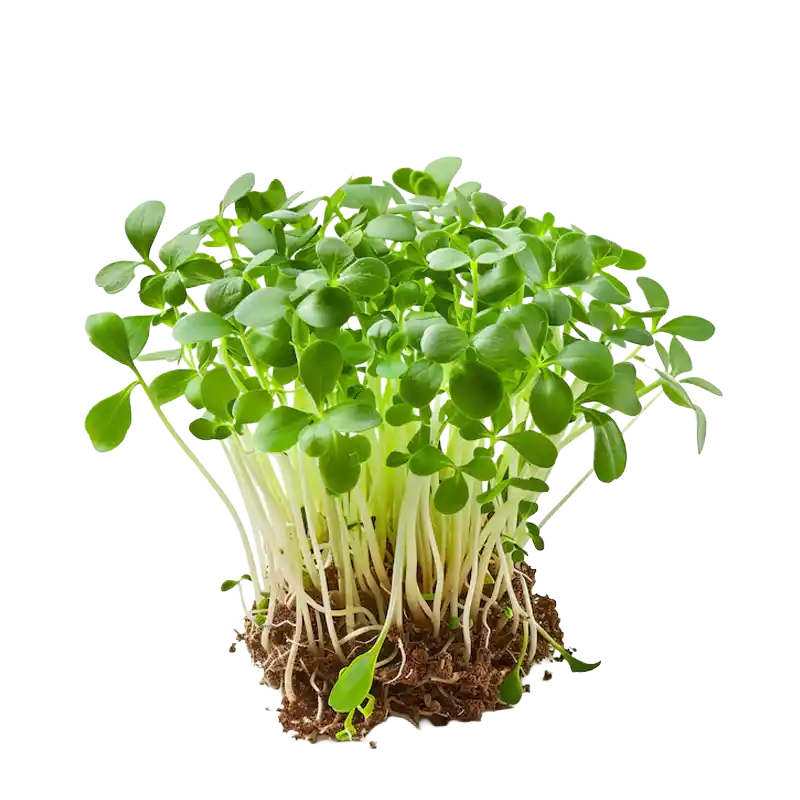
Lepidium sativum (garden cress, Arabic ḥabb al-rashād / al-thufāʾ / al-ḥurf) is a fast-growing peppery cress. Its leaves are a salad green and its mucilaginous, nutrient-dense seeds are a widely valued folk medicine — notably for bone-fracture healing, promoting breast milk, blood sugar, cough/asthma and as an iron-rich tonic — and it holds a place in Arab and Islamic (Prophetic-medicine) heritage as al-thufāʾ.حبّ الرشاد (Lepidium sativum، الثُّفّاء/الحُرْف) رشادٌ فلفليّ سريع النموّ. وأوراقه خضار سلطةٍ وبذوره الهلامية الكثيفة المغذّيات دواءٌ شعبي مُقدَّر واسعاً — خاصةً لإلئام كسور العظام وإدرار حليب الثدي وسكر الدم والسعال/الربو ومقوّياً غنياً بالحديد — وله مكانةٌ في التراث العربي والإسلامي (الطبّ النبوي) باسم الثُّفّاء.
Categoryالفئة
• Peppery cress seed & leaf (Brassicaceae)
• Bone-fracture healing (studied)
• Galactagogue (breast-milk), antidiabetic & respiratory
• Nutritious iron/protein-rich seed & green
• Prophetic/heritage medicine (الثُّفّاء)• بذرة وورق رشاد فلفلي (الفصيلة الصليبية)
• إلئام كسور العظام (مدروس)
• مُدرّ للحليب ومضاد للسكري وتنفّسي
• بذرة وخضار مُغذٍّ غنيّ بالحديد/البروتين
• طبّ نبوي/تراثي (الثُّفّاء)
Habitatالموطن
A fast-growing annual of the mustard family, native to the Near East/Egypt and cultivated worldwide as a salad cress and medicinal seed.حوليّ سريع النموّ من الفصيلة الصليبية، موطنه الشرق الأدنى/مصر ويُزرَع عالمياً رشاد سلطةٍ وبذرةً طبية.
Parts usedالأجزاء المستخدمة
• Seeds (main medicinal)
• Leaves & sprouts (food)• البذور (الطبية الرئيسة)
• الأوراق والبراعم (غذاء)
Key constituentsالمكوّنات الفعّالة
• Glucosinolates → benzyl isothiocyanate (peppery)
• Mucilage (seed)
• Iron, calcium, protein & vitamins
• Flavonoids & phenolics
• Fatty oil (linolenic acid), sterols• غلوكوزينولات ← إيزوثيوسيانات البنزيل (فلفلي)
• مواد هلامية (البذرة)
• حديد وكالسيوم وبروتين وفيتامينات
• فلافونويدات وفينولات
• زيت دهني (حمض اللينولينيك)، ستيرولات
Researchالأبحاث
Garden cress seed is well studied: research reports it accelerates bone-fracture healing and osteogenesis (a classic traditional use, now supported experimentally), and comprehensive reviews document galactagogue, antidiabetic, hypolipidaemic, antioxidant, expectorant/anti-asthmatic, diuretic and nutritive (iron/protein) properties. It is a nutrient-dense functional food; most therapeutic evidence is preclinical with some traditional/clinical support.بذرة حبّ الرشاد مدروسة جيداً: تذكر البحوث أنّها تُسرِّع إلئام كسور العظام وتكوين العظم (استعمالٌ تقليدي كلاسيكي مدعومٌ الآن تجريبياً)، وتوثّق مراجعاتٌ شاملة خصائص مُدرّة للحليب ومضادّة للسكري وخافضة للدهون ومضادّة للأكسدة وطاردة للبلغم/مضادّة للربو ومُدرّة ومُغذِّية (حديد/بروتين). وهي غذاءٌ وظيفي كثيف المغذّيات؛ ومعظم الأدلة العلاجية قبل سريرية بدعمٍ تقليدي/سريري بعض الشيء.
Published researchأبحاث منشورة
Traditional useالاستخدام التقليدي
Seeds soaked (they form a gel) and taken with milk, honey or ghee to speed the healing of broken bones and strengthen the body, to promote and enrich breast milk in nursing mothers, for coughs, asthma and chest complaints, for diabetes and cholesterol, for anaemia (iron), as a laxative and digestive, and to promote menstruation; leaves and sprouts eaten as a peppery salad.تُنقَع البذور (فتُكوّن هلاماً) وتُؤخَذ بالحليب أو العسل أو السمن لتسريع إلئام كسور العظام وتقوية البدن ولإدرار حليب الثدي وإغنائه عند المرضعات وللسعال والربو وشكاوى الصدر وللسكري والكوليسترول ولفقر الدم (الحديد) ومليّناً وهاضماً ولإدرار الطمث؛ وتُؤكَل الأوراق والبراعم سلطةً فلفلية.
Current useالاستخدام الحالي
Widely used as a functional food and folk medicine — especially seeds for bone healing, lactation, blood sugar and as an iron tonic; well studied and popular in South Asian and Middle Eastern practice.يُستعمل واسعاً غذاءً وظيفياً ودواءً شعبياً — خاصةً البذور لإلئام العظام والإرضاع وسكر الدم ومقوّياً للحديد؛ ومدروسٌ وشائع في الممارسة الجنوب آسيوية والشرق أوسطية.
Preparationsالتحضيرات
• Soaked seeds with milk/honey (bone/tonic)
• Seed decoction (cough)
• Salad leaves & sprouts
• Powdered seed in food• بذور منقوعة بحليب/عسل (للعظام/مقوٍّ)
• مغليّ البذور (للسعال)
• أوراق وبراعم سلطة
• مسحوق البذور في الطعام
Used for these conditionsيُستخدم لهذه الحالات
☾ Prophetic reference☾ إشارة نبوية
Garden cress is known in Arabic as al-thufāʾ (الثُّفّاء), al-ḥurf (الحُرْف) and ḥabb al-rashād (حبّ الرشاد), and features in classical Prophetic-medicine (Ṭibb Nabawī) works such as Ibn al-Qayyim's, where it is described as a warming remedy valued for the chest, cough and 'strengthening'. A narration is attributed to the Prophet ﷺ mentioning al-thufāʾ (garden cress) among beneficial remedies; such reports vary in authenticity, so it is best presented as a treasured plant of the Arab-Islamic Ṭibb Nabawī heritage and a well-tried traditional medicine, rather than resting on a single firmly-established ḥadīth.حبّ الرشاد يُعرَف بالعربية بالثُّفّاء والحُرْف وحبّ الرشاد، ويرد في مصنّفات الطبّ النبوي الكلاسيكية كابن القيّم، حيث يُوصَف عشبةً مُدفئة تُقدَّر للصدر والسعال و«التقوية». وتُنسَب إلى النبيّ ﷺ روايةٌ في ذكر الثُّفّاء بين العلاجات النافعة؛ وتتفاوت هذه الروايات في الثبوت، فالأولى عرضه نبتةً نفيسة من تراث الطبّ النبوي العربي-الإسلامي ودواءً تقليدياً مجرّباً، لا الاستناد إلى حديثٍ واحد ثابت بعينه.
Adult dosageجرعة البالغين
Seeds ~5–10 g/day soaked and taken with water/milk/honey; leaves/sprouts freely as food; per traditional practice.البذور نحو 5–10 غ/يوم منقوعةً وتُؤخَذ بماء/حليب/عسل؛ الأوراق/البراعم بحرّية غذاءً؛ بحسب الممارسة التقليدية.
Child dosageجرعة الأطفال
Leaves/sprouts are a healthy food for children; small seed amounts (e.g. for cough/nutrition) with guidance.الأوراق/البراعم غذاءٌ صحّي للأطفال؛ وكميات بذورٍ صغيرة (كالسعال/التغذية) بإرشاد.
Cautionتحذيرات
A very nutritious food and generally safe. The main caution is pregnancy — avoid medicinal seed doses, which are traditionally uterine-stimulant. Because the seeds are high in iron and can lower blood sugar, monitor if you have iron overload or take diabetes medicines, and drink plenty of water with the mucilaginous seeds. Leaf/salad use is safe for everyone.غذاءٌ مُغذٍّ جداً وآمنٌ عموماً. والمحذور الرئيس الحمل — فتُتجنَّب جُرَع البذور الطبية المنشّطة للرحم تقليدياً. ولأنّ البذور غنية بالحديد وقد تخفض سكر الدم، يُراقَب عند فرط الحديد أو تناول أدوية السكري، ويُشرَب ماءٌ وافر مع البذور الهلامية. واستعمال الورق/السلطة آمنٌ للجميع.
Pregnancy & nursingالحمل والرضاعة
Avoid medicinal seed doses in pregnancy — the seeds are traditionally emmenagogue/uterine-stimulant (and reputed abortifacient in quantity); the galactagogue use is for after birth, and leaf/salad amounts are fine.تُتجنَّب جُرَع البذور الطبية في الحمل — فالبذور مُدرّة للطمث/منشّطة للرحم تقليدياً (وتُشتَهر مُجهِضةً بالكمية)؛ واستعمال إدرار الحليب بعد الولادة، وكميات الورق/السلطة مقبولة.


