Introductionمقدّمة
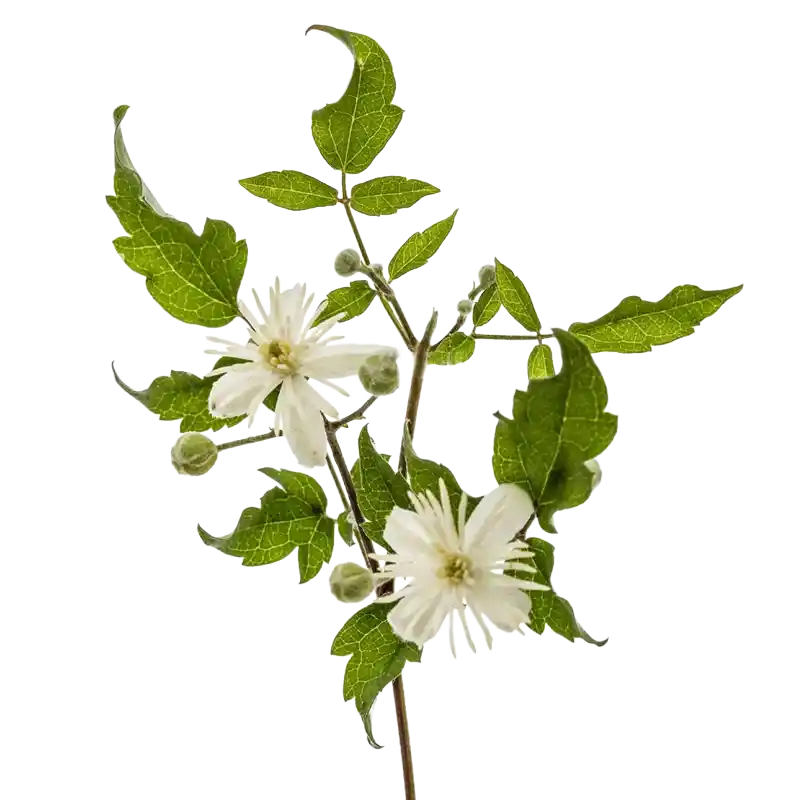
Clematis vitalba (old man's beard, traveller's joy) is a rampant climbing vine of the buttercup family. IMPORTANT: it is toxic — the fresh crushed plant releases protoanemonin, a blistering irritant. Historically beggars used it to raise sores, and it survives today mainly as a Bach flower remedy ('Clematis') and in homeopathy; the raw plant is not for internal home use.لحية الشيخ (Clematis vitalba) متسلّقةٌ جامحة من الفصيلة الحوذانية. مهمّ: هي سامّة — فالنبتة الطازجة المسحوقة تُطلِق البروتوأنيمونين، وهو مهيّجٌ مُبثِّر. وتاريخياً استعملها المتسوّلون لإحداث القروح، وتبقى اليوم أساساً علاج بَخ الزهري («كليماتيس») وفي المِثْليّة؛ والنبتة الخام ليست للاستعمال الداخلي المنزلي.
Categoryالفئة
• Climbing buttercup-family vine (Ranunculaceae)
• ⚠️ TOXIC / vesicant when FRESH (protoanemonin)
• Historic counter-irritant & Bach 'Clematis' remedy
• Homeopathic/very-dilute use only
• NOT for internal home use• متسلّقة من الفصيلة الحوذانية
• ⚠️ سامّة/مُبثِّرة طازجةً (بروتوأنيمونين)
• مُهيِّج مضادّ تاريخي وعلاج «كليماتيس» لبَخ
• استعمالٌ مِثْليّ/مخفّف جداً فقط
• ليست للاستعمال الداخلي المنزلي
Habitatالموطن
A vigorous woody climber with fluffy seed-heads, of hedges, woodland edges and scrub across Europe (and an invasive weed elsewhere).متسلّقة خشبية قوية برؤوس بذرٍ زغبية، في الأسيجة وحواف الغابات والأدغال عبر أوروبا (وحشيشة غازية في غيرها).
Parts usedالأجزاء المستخدمة
• Leaves/aerial parts (external or dilute only)
• Flowers (Bach remedy)• الأوراق/الأجزاء الهوائية (خارجياً أو مخفّفاً فقط)
• الأزهار (علاج بَخ)
Key constituentsالمكوّنات الفعّالة
• Protoanemonin/anemonin (from ranunculin — vesicant)
• Triterpene saponins
• Flavonoids
• Sterols• بروتوأنيمونين/أنيمونين (من الرانونكولين — مُبثِّر)
• صابونينات تريتربينية
• فلافونويدات
• ستيرولات
Researchالأبحاث
Clematis vitalba is chiefly of toxicological and historical interest: it contains ranunculin, which yields the vesicant protoanemonin on crushing (converting to inactive anemonin on drying). Contact irritates skin, eyes and mucous membranes, and ingestion irritates the gut. There is little modern clinical research supporting internal use; its living tradition is external counter-irritation, Bach flower essence and homeopathy.لحية الشيخ ذات اهتمامٍ سُميّ وتاريخي أساساً: تحوي رانونكولين يُعطي البروتوأنيمونين المُبثِّر عند السحق (ويتحوّل إلى أنيمونين خامل بالتجفيف). والتلامس يهيّج الجلد والعينين والأغشية المخاطية، والبلع يهيّج الأمعاء. والبحث السريري الحديث الداعم للاستعمال الداخلي قليل؛ وتقليدها الحيّ التهييج المضادّ الخارجي وجوهر بَخ الزهري والمِثْليّة.
Published researchأبحاث منشورة
Traditional useالاستخدام التقليدي
Historically applied externally as a counter-irritant/blister on rheumatic and arthritic joints and (notoriously) by beggars to raise pity-inducing sores; used as the Bach flower remedy 'Clematis' for day-dreaming/inattention and in homeopathy; the young shoots have been eaten only after thorough cooking, which destroys the toxin.استُعملت تاريخياً خارجياً مُهيِّجاً مضادّاً/مُبثِّراً على المفاصل الروماتزمية والتهاب المفاصل و(شهرةً) عند المتسوّلين لإحداث قروحٍ مُثيرة للشفقة؛ وتُستعمل علاج بَخ الزهري «كليماتيس» للشرود/قلّة الانتباه وفي المِثْليّة؛ ولم تُؤكَل البراعم الغضّة إلا بعد طبخٍ تامّ يُتلِف السمّ.
Current useالاستخدام الحالي
Used today mainly as the Bach flower essence 'Clematis' and in homeopathy; not used as a raw internal herb.تُستعمل اليوم أساساً جوهر بَخ الزهري «كليماتيس» وفي المِثْليّة؛ ولا تُستعمل عشبةً داخلية خام.
Preparationsالتحضيرات
• Bach flower essence 'Clematis'
• Homeopathic dilution
• Cooked young shoots (toxin destroyed)
• Historic external counter-irritant• جوهر بَخ الزهري «كليماتيس»
• تخفيف مِثْليّ
• براعم غضّة مطبوخة (مُتلَف سمّها)
• مُهيِّج مضادّ خارجي تاريخي
Used for these conditionsيُستخدم لهذه الحالات
Adult dosageجرعة البالغين
No internal home dose — only standardised Bach flower/homeopathic preparations; the fresh plant is not for self-use.لا جرعة داخلية منزلية — فقط مستحضرات بَخ الزهري/المِثْليّة المقنّنة؛ والنبتة الطازجة ليست للاستعمال الذاتي.
Child dosageجرعة الأطفال
Not for children (except standardised flower-essence/homeopathic forms); keep the plant away from children.لا للأطفال (إلا الصور المقنّنة من الجوهر الزهري/المِثْليّة)؛ وتُبعَد النبتة عن الأطفال.
Cautionتحذيرات
⚠️ Toxic. The fresh plant blisters skin and mucous membranes (protoanemonin) and irritates the eyes and gut; do not eat it raw, do not apply the fresh sap to broken skin, and keep it away from eyes and children. Only cooked shoots (toxin destroyed), or standardised Bach flower/homeopathic dilutions, are safe forms. This is a plant to know and respect, not to self-medicate with.⚠️ سامّة. النبتة الطازجة تُبثِّر الجلد والأغشية المخاطية (بروتوأنيمونين) وتهيّج العينين والأمعاء؛ فلا تُؤكَل نيّئةً، ولا يُوضَع نَسْغها الطازج على جلدٍ مجروح، وتُبعَد عن العينين والأطفال. والصور الآمنة فقط البراعم المطبوخة (المُتلَف سمّها) أو تخفيفات بَخ الزهري/المِثْليّة المقنّنة. وهذه نبتةٌ تُعرَف وتُحترَم لا يُتداوى بها ذاتياً.
Pregnancy & nursingالحمل والرضاعة
Do NOT use in pregnancy — a toxic Ranunculaceae plant; unsafe.لا تُستعمل في الحمل — نبتةٌ حوذانية سامّة؛ غير آمنة.