Introductionمقدّمة
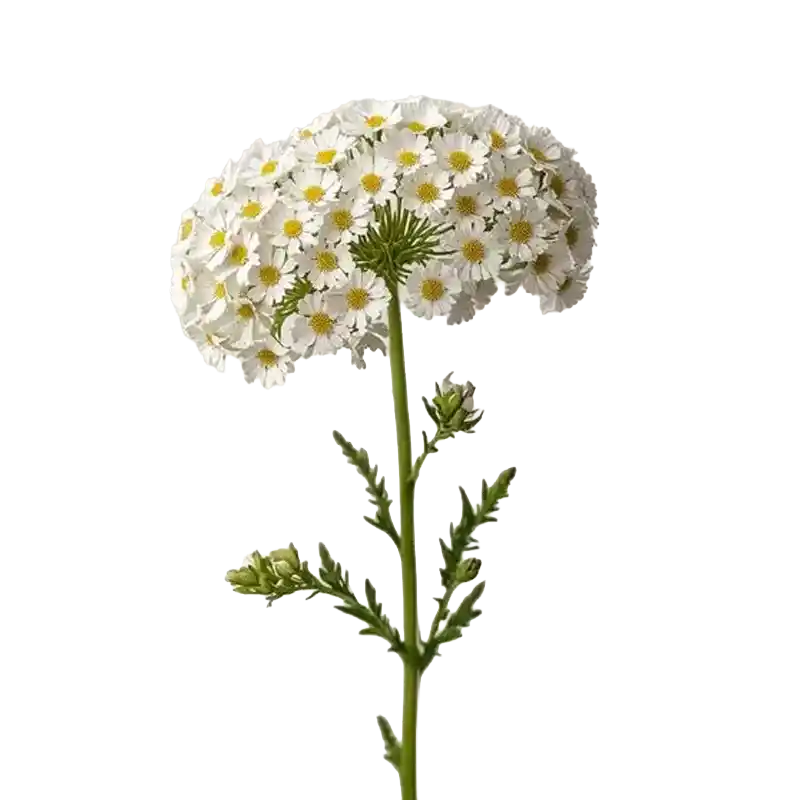
Achillea nobilis (noble yarrow) is an aromatic yarrow used like common yarrow: a bitter, aromatic herb for digestion, wounds, colds and cramps. Its flowering tops carry an essential oil and bitter/flavonoid constituents with documented antimicrobial and antioxidant activity.الأخِلّية النبيلة (Achillea nobilis) أخِلّية عطرية تُستعمل كالأخِلّية الشائعة: عشبةٌ مُرّة عطرية للهضم والجروح والزكام والمغص. وتحمل قممها المزهرة زيتاً طيّاراً ومركّبات مُرّة/فلافونويدية بنشاطٍ موثّق مضاد للميكروبات والأكسدة.
Categoryالفئة
• Aromatic yarrow (Asteraceae)
• Digestive & carminative
• Antimicrobial & antioxidant (studied)
• Anti-inflammatory & wound-healing
• Antispasmodic & 'women's' herb• أخِلّية عطرية (الفصيلة النجمية)
• هاضمة وطاردة للريح
• مضادّة للميكروبات والأكسدة (مدروسة)
• مضادّة للالتهاب ومُلئِمة للجروح
• مضادّة للتقلّص وعشبة «نسائية»
Habitatالموطن
A perennial aromatic herb of dry grassland, slopes and roadsides across Europe, the Caucasus and western/central Asia.عشبةٌ عطرية معمّرة في المروج الجافة والمنحدرات وحواف الطرق عبر أوروبا والقوقاز وغرب/وسط آسيا.
Parts usedالأجزاء المستخدمة
• Flowering aerial parts (herb)• الأجزاء الهوائية المزهرة (العشبة)
Key constituentsالمكوّنات الفعّالة
• Essential oil (camphor, 1,8-cineole, sesquiterpenes)
• Flavonoids
• Sesquiterpene lactones (bitter)
• Phenolic acids
• Tannins• زيت طيّار (كافور، 1،8-سينيول، سسكِويتربينات)
• فلافونويدات
• لاكتونات سسكِويتربينية (مُرّة)
• أحماض فينولية
• تانينات
Researchالأبحاث
Achillea nobilis is documented in phytochemical and pharmacological reviews and studies for antimicrobial and antioxidant activity of its aerial-part and root extracts, with a characteristic essential oil and flavonoid/sesquiterpene-lactone chemistry, supporting its traditional digestive, wound-healing and antispasmodic use. Evidence is preclinical.الأخِلّية النبيلة موثّقة في مراجعات ودراسات كيميائية ودوائية بنشاطٍ مضاد للميكروبات والأكسدة لمستخلصات أجزائها الهوائية وجذرها، بزيتٍ طيّار مميّز وكيمياء فلافونويدية/لاكتونية سسكِويتربينية، بما يدعم استعمالها التقليدي الهاضم والمُلئِم للجروح والمضاد للتقلّص. والأدلة قبل سريرية.
Published researchأبحاث منشورة
Traditional useالاستخدام التقليدي
Used like common yarrow as a bitter digestive and appetite tonic, for indigestion, wind and cramps, for colds, fevers and flu (as a sweat-promoting tea), to stop bleeding and heal wounds (crushed herb), and for menstrual cramps and heavy periods.تُستعمل كالأخِلّية الشائعة مقوّياً مُرّاً هاضماً وفاتحاً للشهية ولعسر الهضم والريح والمغص وللزكام والحمّى والنزلة (شاياً مُعرِّقاً) ولوقف النزف وإلئام الجروح (العشبة المهروسة) ولمغص الطمث والطمث الغزير.
Current useالاستخدام الحالي
Used as a digestive/wound-healing yarrow herb and tea; studied for antimicrobial and antioxidant activity.تُستعمل عشبةَ أخِلّية وشاياً للهضم/إلئام الجروح؛ وتُدرَس لنشاطها المضاد للميكروبات والأكسدة.
Preparationsالتحضيرات
• Herb infusion (tea)
• Fresh herb poultice (wounds)
• Bitter tincture
• Sitz bath/wash• نقيع العشبة (شاي)
• لبخة عشبة طازجة (للجروح)
• صبغة مُرّة
• مغطس/غسول
Used for these conditionsيُستخدم لهذه الحالات
Adult dosageجرعة البالغين
Herb infusion 1–2 g in hot water 2–3× daily; crushed fresh herb topically on minor wounds; per traditional practice.نقيع العشبة 1–2 غ في ماءٍ حارّ 2–3 مرات يومياً؛ العشبة الطازجة المهروسة موضعياً على الجروح الطفيفة؛ بحسب الممارسة التقليدية.
Child dosageجرعة الأطفال
A weak tea occasionally for older children; avoid concentrated use.شايٌ خفيف أحياناً للأطفال الأكبر؛ ويُتجنَّب الاستعمال المركّز.
Cautionتحذيرات
Avoid in pregnancy. As an Asteraceae (daisy-family) herb it can cause allergic reactions in those sensitive to ragweed/chamomile, and prolonged skin contact/use can cause photosensitivity in some people. Use in moderate tea amounts rather than concentrated long-term doses.يُتجنَّب في الحمل. وكعشبةٍ من الفصيلة النجمية قد يسبّب تفاعلاتٍ تحسّسية عند حسّاسي الرَّجيد/البابونج، وقد يسبّب التلامس/الاستعمال الجلدي المطوّل حساسيةً للضوء عند بعضهم. ويُستعمل بكميات شايٍ معتدلة لا بجُرَعٍ مركّزة طويلة الأمد.
Pregnancy & nursingالحمل والرضاعة
Avoid medicinal doses in pregnancy — yarrows are emmenagogue and can stimulate the uterus; culinary trace amounts only.تُتجنَّب الجُرَع الطبية في الحمل — الأخِلّيات مُدرّة للطمث وقد تنشّط الرحم؛ وآثار الطهي الضئيلة فقط.