
Introductionمقدّمة
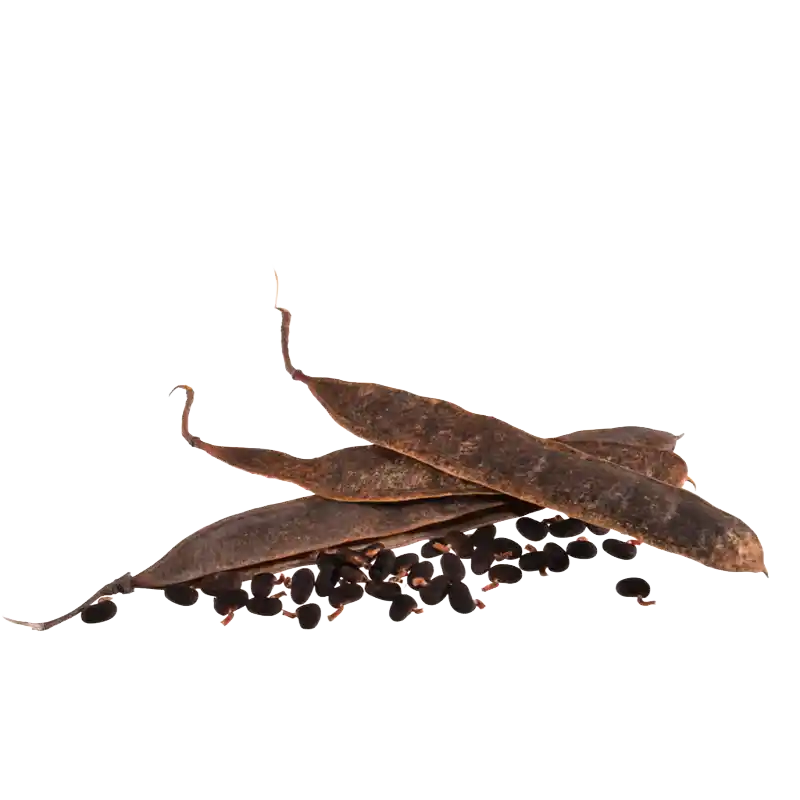
Acacia seyal (Vachellia seyal, the 'shittah' or talḥ tree, source of gum 'talha') is the second great gum-arabic acacia alongside A. senegal. Its gum is a soluble prebiotic fibre (often blended into commercial gum arabic), while its bark and other parts are astringent, antimicrobial folk remedies used across the Sahel and Nile valley.أكاسيا السيال (Vachellia seyal، شجرة الطلح، مصدر «صمغ الطلحة») هي الأكاسيا الصمغية الكبرى الثانية إلى جانب A. senegal. وصمغها ليفٌ بريبايوتيك ذائب (يُخلَط غالباً في الصمغ العربي التجاري)، بينما لحاؤها وسائر أجزائها علاجاتٌ شعبية قابضة مضادة للميكروبات تُستعمل عبر السّاحل الإفريقي ووادي النيل.
Categoryالفئة
• Gum-arabic acacia (Vachellia seyal)
• Soluble prebiotic fibre (blended gum arabic)
• Antimicrobial & astringent (bark)
• Demulcent / soothing
• Traditional Sahel & Nile remedy• أكاسيا الصمغ العربي (Vachellia seyal)
• ألياف بريبايوتيك ذائبة (صمغ عربي مخلوط)
• مضاد للميكروبات وقابض (اللحاء)
• مُلطِّف/مُهدِّئ
• علاجٌ سّاحلي ونيلي تقليدي
Habitatالموطن
A thorny, often red-barked acacia of the Sahel, Sudan, Ethiopia and the Nile valley, growing in seasonally wet clay and savanna.أكاسيا شائكة كثيراً حمراء اللحاء في السّاحل الإفريقي والسودان وإثيوبيا ووادي النيل، تنمو في الطين الموسميّ الرطب والسافانا.
Parts usedالأجزاء المستخدمة
• Gum exudate
• Bark
• Leaves & pods• إفراز الصمغ
• اللحاء
• الأوراق والقرون
Key constituentsالمكوّنات الفعّالة
• Arabinogalactan gum polysaccharides
• Tannins (bark)
• Flavonoids
• Phenolic acids• عديدات سكاريد صمغية أرابينوغالاكتان
• تانينات (اللحاء)
• فلافونويدات
• أحماض فينولية
Researchالأبحاث
Acacia seyal gum is, like A. senegal gum, a soluble arabinogalactan prebiotic fibre and both are marketed together as gum arabic; the bark and extracts show antimicrobial and antioxidant activity in laboratory studies, and Acacia-genus antimicrobial reviews cover seyal. Human clinical data centre on the gum's fibre/metabolic effects rather than on the bark.صمغ أكاسيا السيال، كصمغ A. senegal، ليفٌ بريبايوتيك أرابينوغالاكتان ذائب، ويُسوَّقان معاً صمغاً عربياً؛ ويُظهر اللحاء والمستخلصات نشاطاً مضاداً للميكروبات والأكسدة في الدراسات المخبرية، وتشمل مراجعات جنس الأكاسيا المضادة للميكروبات السيال. والبيانات السريرية البشرية تتركّز على آثار الصمغ الليفية/الأيضية لا على اللحاء.
Published researchأبحاث منشورة
Traditional useالاستخدام التقليدي
Gum used as a soothing demulcent and food; bark and pods used across the Sahel and Nile valley for diarrhoea and dysentery, as a wound and mouth wash, for coughs and colds, and the fragrant wood/resin burned as incense.يُستعمل الصمغ مُلطِّفاً مُهدِّئاً وغذاءً؛ ويُستعمل اللحاء والقرون عبر السّاحل الإفريقي ووادي النيل للإسهال والزحار، وغسولاً للجروح والفم، وللسعال والزكام، ويُحرَق الخشب/الراتنج العطر بخوراً.
Current useالاستخدام الحالي
Gum used (with A. senegal) as commercial gum arabic/prebiotic fibre; bark studied as an antimicrobial astringent.يُستعمل الصمغ (مع A. senegal) صمغاً عربياً تجارياً/ليفاً بريبايوتيك؛ ويُدرَس اللحاء قابضاً مضاداً للميكروبات.
Preparationsالتحضيرات
• Gum dissolved in water (fibre)
• Bark decoction (traditional)
• Mouth/wound wash
• Incense (wood/resin)• صمغ مذاب في ماء (ليف)
• مغليّ اللحاء (تقليدي)
• غسول للفم/الجروح
• بخور (خشب/راتنج)
Used for these conditionsيُستخدم لهذه الحالات
☾ Prophetic reference☾ إشارة نبوية
Acacia seyal is one of the trees called talḥ (طلح) in Arabic. Talḥ is named in the Qur'an (Sūrat al-Wāqi'ah 56:29, 'ṭalḥin manḍūd') among the trees of Paradise; classical commentators differ on whether the worldly ṭalḥ meant is the acacia or the banana, and the verse describes Paradise rather than prescribing the plant. It is also identified by many with the biblical 'shittah/shittim' acacia. This is heritage/linguistic significance, not a specific prophetic medicinal prescription.أكاسيا السيال من الأشجار التي تُسمّى الطلح بالعربية. والطلح مذكورٌ في القرآن (الواقعة 56:29، «وطلحٍ منضود») بين أشجار الجنّة؛ واختلف المفسّرون في المراد بالطلح الدنيوي أهو الأكاسيا أم الموز، والآية تصف الجنّة لا تصف وصفاً للنبات. ويُعرَف عند كثيرين بشجرة «الشِّطّة/الشطّيم» الأكاسيا في الكتاب المقدّس. وهذه دلالةٌ تراثية/لغوية لا وصفةٌ نبوية طبية بعينها.
Adult dosageجرعة البالغين
Gum as a fibre like gum arabic (10–30 g/day dissolved); bark decoction in traditional amounts.الصمغ ليفاً كالصمغ العربي (10–30 غ/يوم مذاباً)؛ ومغليّ اللحاء بكميات تقليدية.
Child dosageجرعة الأطفال
Gum in small food amounts is fine; bark preparations only with guidance.الصمغ بكميات غذاء صغيرة مقبول؛ ومستحضرات اللحاء بإرشادٍ فقط.
Cautionتحذيرات
The gum is very safe (introduce gradually to avoid gas). The tannin-rich bark is astringent — long-term or high-dose bark use can irritate the stomach and reduce iron/nutrient absorption, so take it apart from meals and medicines. Do not rely on it for serious infection or dysentery.الصمغ آمنٌ جداً (يُدخَل تدريجياً لتجنّب الغازات). واللحاء الغنيّ بالتانين قابض — واستعماله طويلاً أو بجرعةٍ عالية قد يهيّج المعدة ويقلّل امتصاص الحديد/المغذّيات، فيُؤخذ بعيداً عن الطعام والأدوية. ولا يُعتمَد عليه في العدوى الشديدة أو الزحار.
Pregnancy & nursingالحمل والرضاعة
Gum (food fibre) is considered safe in normal amounts; avoid strong bark decoctions medicinally in pregnancy without guidance.الصمغ (ليف غذائي) يُعدّ آمناً بكميات عادية؛ وتُتجنَّب مغليّات اللحاء القوية طبياً في الحمل دون إرشاد.


