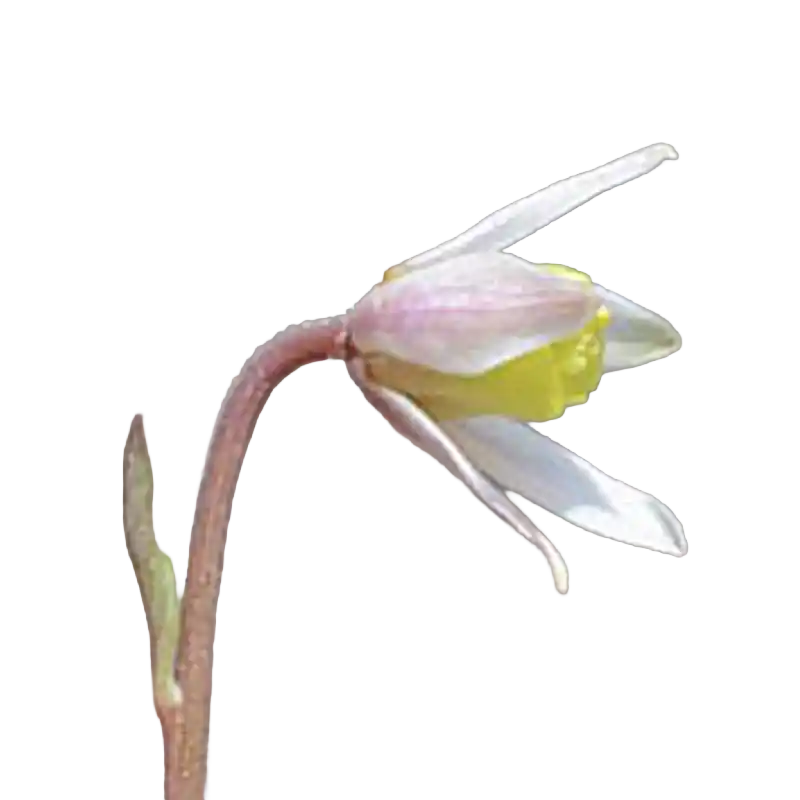
Introductionمقدّمة
Semiaquilegia adoxoides ('tian kui zi') is a small buttercup-family plant whose tuber is used in Chinese medicine to 'clear heat and resolve toxicity, dissipate nodules and reduce swellings' — for sores, boils, carbuncles and abscesses, swollen scrofula/lymph-node lumps and breast lumps, snakebite, and hot painful swellings. Its diterpenoids, alkaloids and other constituents give researched anti-inflammatory, antitumor, antimicrobial and antioxidant activity. NOTE: as a Ranunculaceae (buttercup-family) plant it is considered slightly toxic, so it is used in correct amounts and under guidance.درنة السيميأكويليجيا (Semiaquilegia adoxoides، «تيان كوي تسي») نبتةٌ صغيرة من الفصيلة الحوذانية تُستعمل درنتها في الطبّ الصيني «لتنقية الحرارة وحلّ السميّة وتبديد العُقيدات وتقليل التورّمات» — للقروح والدمامل والجمرات والخرّاجات وكتل الخنازير/العقد اللمفية المتورّمة وكتل الثدي ولدغ الأفاعي والتورّمات الحارّة المؤلمة. وديتربيناتها وقلويداتها ومكوّناتها الأخرى تمنح نشاطاً مدروساً مضاداً للالتهاب والأورام والميكروبات والأكسدة. ملاحظة: كنباتٍ حوذانيّ (من الفصيلة الحوذانية) يُعدّ سامّاً قليلاً، فيُستعمل بكميات صحيحة وبإرشاد.
Categoryالفئة
• Toxin-resolving, swelling-reducing tuber (Ranunculaceae) ⚠️
• 'Tian kui zi' — clears toxin, dissipates nodules & sores
• Anti-inflammatory & antitumor (studied)
• Antimicrobial & antioxidant
• ⚠️ Buttercup-family herb — slightly toxic; correct dose & guidance• درنة حالّة للسميّة مقلّلة للتورّم (الفصيلة الحوذانية) ⚠️
• «تيان كوي تسي» — ينقّي السميّة ويبدّد العُقيدات والقروح
• مضادّة للالتهاب والأورام (مدروسة)
• مضادّة للميكروبات والأكسدة
• ⚠️ عشبة من الفصيلة الحوذانية — سامّة قليلاً؛ جرعة صحيحة وإرشاد
Habitatالموطن
A small perennial of grassy slopes, fields and roadsides in China; the small tuber is used.معمّرة صغيرة في المنحدرات العشبية والحقول وحواف الطرق بالصين؛ تُستعمل الدرنة الصغيرة.
Parts usedالأجزاء المستخدمة
• Root-tuber• الدرنة الجذرية
Key constituentsالمكوّنات الفعّالة
• Diterpenoids
• Alkaloids (isoquinoline type, magnoflorine)
• Flavonoids
• Organic acids
• Sterols• ديتربينات
• قلويدات (من نوع الأيزوكينولين، ماغنوفلورين)
• فلافونويدات
• أحماض عضوية
• ستيرولات
Researchالأبحاث
Semiaquilegia adoxoides ('tian kui zi') is studied for anti-inflammatory, antitumor, antimicrobial and antioxidant activity, with new diterpenoids and other constituents isolated from its roots, consistent with its traditional toxin-resolving, nodule-dissipating use; it is included in integrative approaches to sores and lumps. Evidence is chiefly preclinical, and its buttercup-family nature underlies the need for correct dosing.تُدرَس درنة السيميأكويليجيا («تيان كوي تسي») لنشاطٍ مضاد للالتهاب والأورام والميكروبات والأكسدة، مع عزل ديتربينات ومكوّنات جديدة من جذورها، متّسقٍ مع استعمالها التقليدي الحالّ للسميّة المبدّد للعُقيدات؛ وتُدرَج في المقاربات التكاملية للقروح والكتل. والأدلة أوّلية غالباً، وطبيعتها الحوذانية تُبرّر الحاجة للجرعة الصحيحة.
Published researchأبحاث منشورة
Traditional useالاستخدام التقليدي
Tuber decocted or applied in Chinese medicine to 'clear heat and resolve toxicity, dissipate nodules and reduce swelling' — for sores, boils, carbuncles and abscesses (internally and applied topically), swollen 'scrofula' and lymph-node lumps, breast lumps and mastitis, snakebite and insect stings, and hot, painful swellings; a toxin-resolving, lump-dissipating herb used mainly for sores and masses.تُغلى الدرنة أو تُطلى في الطبّ الصيني «لتنقية الحرارة وحلّ السميّة وتبديد العُقيدات وتقليل التورّم» — للقروح والدمامل والجمرات والخرّاجات (داخلياً وطلاءً موضعياً) و«الخنازير» المتورّمة وكتل العقد اللمفية وكتل الثدي والتهابه ولدغ الأفاعي ولسع الحشرات والتورّمات الحارّة المؤلمة؛ عشبة حالّة للسميّة مبدّدة للكتل تُستعمل أساساً للقروح والكتل.
Current useالاستخدام الحالي
A toxin-resolving, nodule-dissipating tuber (tian kui zi) with researched anti-inflammatory and antitumor activity — used for sores and lumps; slightly toxic, used in correct amounts.درنة حالّة للسميّة مبدّدة للعُقيدات (تيان كوي تسي) بنشاطٍ مدروس مضاد للالتهاب والأورام — تُستعمل للقروح والكتل؛ سامّة قليلاً، تُستعمل بكميات صحيحة.
Preparationsالتحضيرات
• Tuber decoction
• Topical paste/poultice (sores/lumps)
• In toxin-resolving formulas• مغلي الدرنة
• معجون/لبخة موضعية (للقروح/الكتل)
• في خلطات حالّة للسميّة
Used for these conditionsيُستخدم لهذه الحالات
Adult dosageجرعة البالغين
⚠️ Tuber decoction in modest traditional amounts per Chinese practice, usually within toxin-resolving formulas; a slightly toxic herb dosed carefully.⚠️ مغلي الدرنة بكميات تقليدية معتدلة بحسب الممارسة الصينية، غالباً ضمن خلطات حالّة للسميّة؛ عشبة سامّة قليلاً تُجرَّع بعناية.
Child dosageجرعة الأطفال
⚠️ Only under professional supervision; not for casual children's use.⚠️ فقط بإشراف مختصّ؛ لا للاستعمال العارض عند الأطفال.
Cautionتحذيرات
⚠️ As a buttercup-family (Ranunculaceae) plant it is regarded as slightly toxic, so it is used only in correct traditional amounts, short-term and preferably within formulas, not casually self-dosed; overuse can irritate the digestive tract. Being cold and toxin-clearing it does not suit weak, cold or deficient patterns, and it is avoided in pregnancy. Correctly identify the tuber and use under qualified guidance; any lump, breast mass or non-healing sore should also be properly assessed medically.⚠️ كنباتٍ حوذانيّ (من الفصيلة الحوذانية) يُعدّ سامّاً قليلاً، فيُستعمل فقط بكميات تقليدية صحيحة ولفترة قصيرة ويُفضَّل ضمن الخلطات، لا بالتجريع الذاتي العارض؛ والإفراط قد يهيّج السبيل الهضمي. وكونه بارداً منقّياً للسميّة لا يناسب الأنماط الضعيفة أو الباردة أو الناقصة، ويُتجنّب في الحمل. وتُعرَّف الدرنة بدقّة وتُستعمل بإرشاد مؤهّل؛ وأيّ كتلة أو كتلة ثدي أو قرحة غير ملتئمة ينبغي تقييمها طبّياً كذلك.
Pregnancy & nursingالحمل والرضاعة
⚠️ Slightly toxic, toxin-resolving buttercup-family herb — avoid in pregnancy.⚠️ عشبة حوذانية حالّة للسميّة سامّة قليلاً — تُتجنّب في الحمل.