
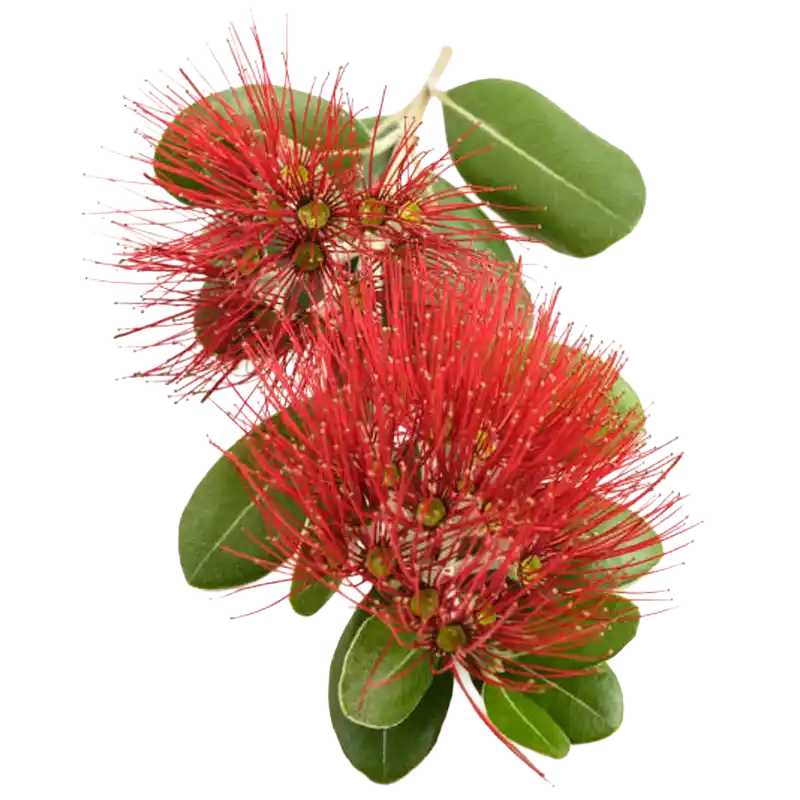
Introductionمقدّمة
Combretum molle (velvet bushwillow) is a widespread African tree whose bark, leaves and roots are used for wounds, stomach and chest complaints, fever and infections. Studies confirm strong antibacterial, antifungal and antioxidant activity.كومبريتوم موليه (شُجيرة الصفصاف المخملية) شجرةٌ إفريقية واسعة الانتشار يُستعمل لحاؤها وأوراقها وجذورها للجروح وشكاوى المعدة والصدر والحمّى والعدوى. وتؤكّد الدراسات نشاطاً قوياً مضاداً للجراثيم والفطريات والأكسدة.
Categoryالفئة
• African bushwillow — bark medicine
• Antimicrobial / antibacterial
• Antioxidant
• Anti-inflammatory
• Traditional wound, gut & fever remedy• شُجيرة صفصافٍ إفريقية — دواء لحاء
• مضاد للميكروبات/الجراثيم
• مضاد للأكسدة
• مضاد للالتهاب
• علاجٌ تقليدي للجروح والأمعاء والحمّى
Habitatالموطن
A small to medium tree with velvety leaves and creamy flower spikes, of savanna and woodland across much of Africa.شجرةٌ صغيرة إلى متوسطة بأوراقٍ مخملية وسنابل أزهارٍ كريمية، في السافانا والغابات عبر معظم إفريقيا.
Parts usedالأجزاء المستخدمة
• Bark
• Leaves
• Roots• اللحاء
• الأوراق
• الجذور
Key constituentsالمكوّنات الفعّالة
• Tannins
• Flavonoids
• Triterpenes (combretol, mollic acid)
• Phenolic acids
• Saponins• عفص
• فلافونويدات
• تريتربينات (كومبريتول، حمض الموليك)
• أحماض فينولية
• صابونينات
Researchالأبحاث
Studies of Combretum molle leaf and stem extracts confirm significant antibacterial, antifungal and antioxidant activity, and reviews of African Combretum species document their wide traditional use for infections and gastrointestinal disorders — supporting the plant's use for wounds, the gut and fevers. Most data are laboratory-based.تؤكّد دراسات مستخلصات أوراق وساق كومبريتوم موليه نشاطاً معتبراً مضاداً للجراثيم والفطريات والأكسدة، وتوثّق مراجعات أنواع الكومبريتوم الإفريقية استعمالها التقليدي الواسع للعدوى واضطرابات الجهاز الهضمي — بما يدعم استعمال النبتة للجروح والأمعاء والحمّى. ومعظم البيانات مخبرية.
Published researchأبحاث منشورة
Traditional useالاستخدام التقليدي
Used across Africa for wounds, sores and abscesses, stomach and abdominal pain, diarrhoea and dysentery, chest infections and coughs, fever, and as a remedy for parasites and 'snake-bite'.يُستعمل في إفريقيا للجروح والقروح والخُرّاجات وألم المعدة والبطن والإسهال والزحار وعدوى الصدر والسعال والحمّى، ودواءً للطفيليات و«لدغ الأفاعي».
Current useالاستخدام الحالي
Used in African traditional medicine as bark/leaf decoctions and washes; studied for its antimicrobial compounds.يُستعمل في الطبّ التقليدي الإفريقي مغليّ ولحاء/ورق وغسولاً؛ ويُدرَس لمركّباته المضادة للميكروبات.
Preparationsالتحضيرات
Bark/leaf decoction, Wash, Powderمغليّ لحاء/ورق، غسول، مسحوق
Used for these conditionsيُستخدم لهذه الحالات
Adult dosageجرعة البالغين
Bark/leaf decoction in small traditional amounts per practitioner; no standardised dose.مغليّ لحاء/ورق بكميات تقليدية صغيرة بحسب المختصّ؛ لا جرعة موحّدة.
Child dosageجرعة الأطفال
Only under knowledgeable guidance for children.فقط بإرشاد خبير للأطفال.
Cautionتحذيرات
Generally used safely in traditional amounts, but the tannin-rich bark can upset the stomach in large or prolonged doses, and safety data are limited. Some Combretum species/roots can be more toxic, so correct identification and knowledgeable guidance matter. Prefer bark/leaf over root, and use modest amounts.يُستعمل بأمانٍ عموماً بالكميات التقليدية، لكن اللحاء الغنيّ بالتانين قد يُزعِج المعدة بالجرعات الكبيرة أو المطوّلة، وبيانات الأمان محدودة. وبعض أنواع/جذور الكومبريتوم قد تكون أكثر سُميّة، فالتعرّف الصحيح والإرشاد الخبير مهمّان. فضِّل اللحاء/الورق على الجذر، واستعمِل كميات معتدلة.
Pregnancy & nursingالحمل والرضاعة
Avoid in pregnancy — not established as safe; some Combretum roots are traditionally avoided.يُتجنَّب في الحمل — غير مثبت الأمان؛ وتُتجنَّب بعض جذور الكومبريتوم تقليدياً.


