Introductionمقدّمة
Thlaspi arvense (field pennycress) is a mustard-family weed and emerging oilseed crop. In traditional Chinese medicine (as 'xi ming') the seeds and herb are used for inflammation, the eyes, and abdominal/pelvic complaints; it contains pungent glucosinolates and has antioxidant and antimicrobial activity.الطُّلَّاسة الحقلية (Thlaspi arvense) عشبةٌ من فصيلة الخردل وبذرة زيتٍ ناشئة. وفي الطبّ الصينيّ التقليدي تُستعمل البذور والعشبة للالتهاب والعينين والشكاوى البطنية/الحوضية؛ وتحوي غلوكوزينولات حرّيفة ولها نشاطٌ مضاد للأكسدة والميكروبات.
Categoryالفئة
• Mustard-family weed & oilseed
• Anti-inflammatory (traditional TCM)
• Antioxidant / antimicrobial
• Traditional 'appendicitis'/detox herb
• Pungent glucosinolate seeds• عشبة وبذرة زيتٍ من فصيلة الخردل
• مضاد للالتهاب (طبّ صينيّ تقليدي)
• مضاد للأكسدة/الميكروبات
• عشبة «زائدة»/تنقية تقليدية
• بذورٌ حرّيفة بالغلوكوزينولات
Habitatالموطن
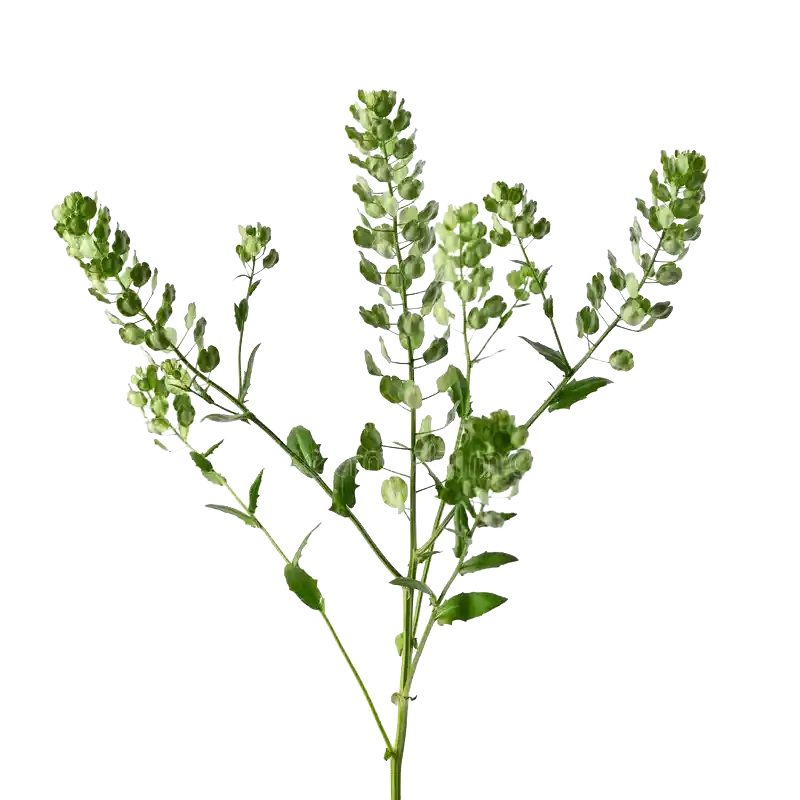
An annual with round, flat, coin-like seed pods (hence 'pennycress'), a common weed of fields and waste ground across Europe, Asia and North America.نبتةٌ حولية بقرونٍ مسطّحة مُستديرة كالعملة (ومن هنا الاسم)، عشبةٌ شائعة في الحقول والأراضي البور عبر أوروبا وآسيا وأمريكا الشمالية.
Parts usedالأجزاء المستخدمة
• Seeds
• Aerial parts (young, edible)• البذور
• الأجزاء الهوائية (فتيّة، صالحة)
Key constituentsالمكوّنات الفعّالة
• Glucosinolates (sinigrin) → isothiocyanates
• Flavonoids
• Fatty oil (seeds)
• Phenolic acids
• Vitamin C• غلوكوزينولات (سينيغرين) ← آيزوثيوسيانات
• فلافونويدات
• زيتٌ دهني (البذور)
• أحماض فينولية
• فيتامين C
Researchالأبحاث
Field pennycress is studied mainly as a new oilseed/biofuel and cover crop, and its glucosinolate-derived isothiocyanates give it antimicrobial and antioxidant properties. In traditional Chinese medicine the herb ('xi ming') is used as an anti-inflammatory 'heat-clearing' remedy. Dedicated clinical data are limited; the young leaves are edible and the seeds are pungent like other mustards.تُدرَس الطُّلَّاسة الحقلية أساساً بذرةَ زيتٍ/وقودٍ حيويّ ومحصولَ تغطية، وآيزوثيوسياناتها المشتقّة من الغلوكوزينولات تمنحها خصائص مضادة للميكروبات والأكسدة. وفي الطبّ الصينيّ تُستعمل العشبة دواءً مضاداً للالتهاب «مُبرِّداً للحرارة». وتنقص البيانات السريرية المخصّصة؛ والأوراق الفتيّة صالحة والبذور حرّيفة كسائر الخردل.
Published researchأبحاث منشورة
Traditional useالاستخدام التقليدي
In traditional Chinese medicine the seeds/herb are used for inflammation and 'heat', for the eyes, and for abdominal and pelvic inflammation (historically including appendicitis and post-partum complaints); the young leaves are eaten as a wild green and the seeds used like mustard.في الطبّ الصينيّ تُستعمل البذور/العشبة للالتهاب و«الحرارة» وللعينين وللالتهاب البطني والحوضي (وتاريخياً منها الزائدة وشكاوى ما بعد الولادة)؛ والأوراق الفتيّة تُؤكَل خضاراً برّياً والبذور تُستعمل كالخردل.
Current useالاستخدام الحالي
Used in some traditional Chinese formulas; of major current interest as an oilseed/cover crop. The young leaves are a foraged green.تُستعمل في بعض التركيبات الصينية التقليدية؛ وذات أهمية حالية كبيرة بذرةَ زيتٍ/تغطية. والأوراق الفتيّة خضار مجموع.
Preparationsالتحضيرات
Seed/herb decoction, Cooked young leaves, Mustard-like seedمغليّ بذور/عشبة، أوراق فتيّة مطبوخة، بذرٌ كالخردل
Used for these conditionsيُستخدم لهذه الحالات
Adult dosageجرعة البالغين
Seed/herb decoction per traditional practice; young leaves cooked as a vegetable.مغليّ بذور/عشبة بحسب الممارسة التقليدية؛ والأوراق الفتيّة مطبوخة خضاراً.
Child dosageجرعة الأطفال
Cooked young leaves are fine as food; avoid medicinal seed doses in children.الأوراق الفتيّة المطبوخة مقبولة طعاماً؛ وتُتجنَّب جرعات البذور الدوائية للأطفال.
Cautionتحذيرات
The young leaves and seeds are edible (pungent, like other mustards), but large amounts of the strong seeds can irritate the gut. Correctly identify it and gather from clean ground. Avoid concentrated medicinal doses in pregnancy. Do not self-treat suspected appendicitis — that is a medical emergency.الأوراق الفتيّة والبذور صالحة (حرّيفة كسائر الخردل)، لكن الكميات الكبيرة من البذور القوية قد تُهيّج الأمعاء. وتعرّف عليها بدقّة واجمع من أرضٍ نظيفة. وتُتجنَّب الجرعات الدوائية المركّزة في الحمل. ولا تُداوِ ذاتياً التهاب الزائدة المُشتبَه — فهو طارئٌ طبّي.
Pregnancy & nursingالحمل والرضاعة
Avoid medicinal doses in pregnancy — traditionally used for post-partum/pelvic conditions, so not for use during pregnancy.تُتجنَّب الجرعات الدوائية في الحمل — تُستعمل تقليدياً لحالات ما بعد الولادة/الحوض، فلا تُستعمل أثناء الحمل.