Introductionمقدّمة
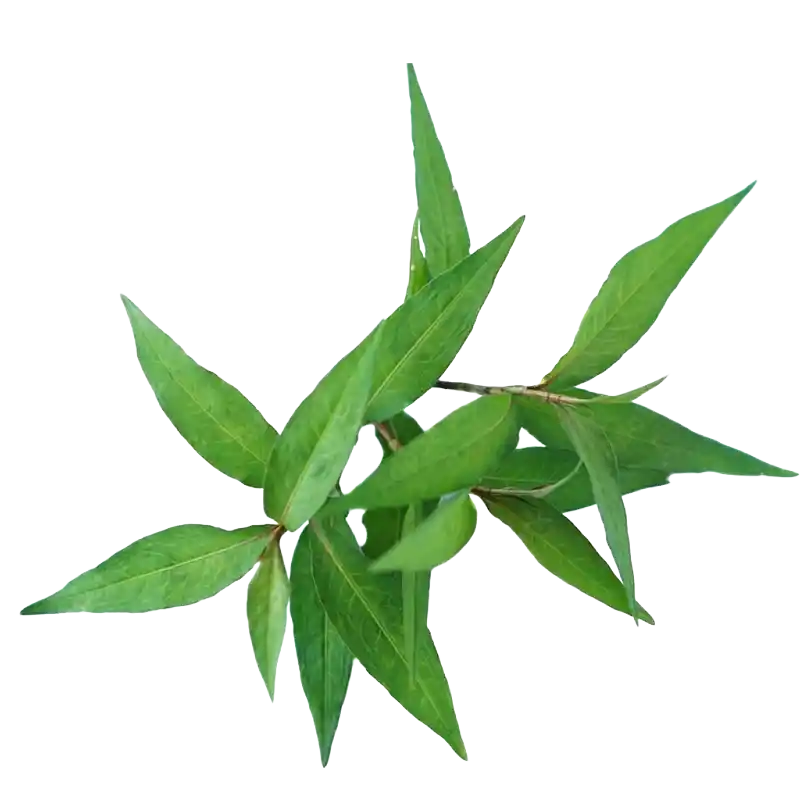
Polygonum hydropiper (Persicaria hydropiper, water pepper / smartweed) is a hot-tasting marsh herb used traditionally to stop bleeding, for heavy periods and haemorrhoids, and as a peppery flavouring. Studies confirm antioxidant, anti-inflammatory and other bioactivity.فلفل الماء (Polygonum hydropiper، وتُعرَف Persicaria hydropiper) عشبة مستنقعاتٍ حارّة الطعم تُستعمل تقليدياً لحبس النزف، وللطمث الغزير والبواسير، ومُنكِّهاً حرّيفاً. وتؤكّد الدراسات نشاطاً مضاداً للأكسدة والالتهاب وغيره.
Categoryالفئة
• Peppery marsh herb
• Astringent / haemostatic (traditional)
• Anti-inflammatory / antioxidant
• Anti-bleeding & menstrual herb (folk)
• Pungent flavouring• عشبة مستنقعاتٍ حرّيفة
• قابض/حابس للنزف (تقليدي)
• مضاد للالتهاب/الأكسدة
• عشبة مضادة للنزف والطمث (شعبي)
• مُنكِّه لاذع
Habitatالموطن
An annual of wet ground, ditches and pond margins across Europe and Asia, with an acrid, peppery taste.نبتةٌ حولية في الأرض الرطبة والخنادق وحواف البِرَك عبر أوروبا وآسيا، بطعمٍ لاذعٍ حرّيف.
Parts usedالأجزاء المستخدمة
• Aerial parts (whole herb)• الأجزاء الهوائية (العشبة كاملة)
Key constituentsالمكوّنات الفعّالة
• Sesquiterpenes (polygodial — pungent)
• Flavonoids (rutin, quercetin)
• Tannins
• Phenolic acids
• Essential oil• سيسكويتربينات (بوليغوديال — لاذع)
• فلافونويدات (روتين، كورسيتين)
• عفص
• أحماض فينولية
• زيتٌ طيّار
Researchالأبحاث
Reviews of Persicaria hydropiper document a wide range of activities — antioxidant, anti-inflammatory, antimicrobial, and effects on blood vessels and bleeding — with polygodial and flavonoids (rutin) among the key compounds, consistent with the traditional use to check bleeding and heavy periods. The plant is also mildly toxic in excess, so moderate use is advised.توثّق مراجعات فلفل الماء طيفاً واسعاً من الأنشطة — مضادة للأكسدة والالتهاب والميكروبات، وتأثيراتٍ في الأوعية والنزف — مع البوليغوديال والفلافونويدات (الروتين) بين المركّبات الأساسية، بما يتّسق مع الاستعمال التقليدي لحبس النزف والطمث الغزير. والنبتة خفيفة السُّميّة بالإفراط أيضاً، فيُنصَح بالاستعمال المعتدل.
Published researchأبحاث منشورة
Traditional useالاستخدام التقليدي
Used to stop bleeding (nosebleeds, wounds, heavy or irregular periods), for haemorrhoids and diarrhoea, as a diuretic, and as a hot, peppery flavouring (the young leaves are the 'benitade' seasoning in East Asia).يُستعمل لحبس النزف (الرُّعاف والجروح والطمث الغزير أو غير المنتظم)، وللبواسير والإسهال، ومُدرّاً، ومُنكِّهاً حارّاً حرّيفاً (الأوراق الفتيّة توابل في شرق آسيا).
Current useالاستخدام الحالي
Used in traditional 'anti-bleeding' and menstrual preparations, and as a culinary pungent herb; studied for its bioactive compounds.يُستعمل في تحضيرات «مضادة للنزف» وطمثية تقليدية، وعشبةً حرّيفة للطهو؛ ويُدرَس لمركّباته الفعّالة.
Preparationsالتحضيرات
Infusion, Tincture, Culinary herbنقيع، صبغة، عشبة طهوية
Used for these conditionsيُستخدم لهذه الحالات
Adult dosageجرعة البالغين
Infusion of 1.5–2 g dried herb, or tincture, per traditional practice.نقيع 1.5–2 غ عشبة مجفّفة، أو صبغة، بحسب الممارسة التقليدية.
Child dosageجرعة الأطفال
Not recommended medicinally for children.لا يُنصَح به دوائياً للأطفال.
Cautionتحذيرات
The fresh plant and its juice are acrid and can irritate the mouth, skin and gut — the pungent polygodial is a strong irritant in quantity. Use moderate amounts, avoid in pregnancy (uterine stimulant), and seek medical care for any serious or persistent bleeding rather than relying on the herb.النبتة الطازجة وعصيرها لاذعان وقد يُهيّجان الفم والجلد والأمعاء — والبوليغوديال الحرّيف مُهيِّجٌ قويّ بالكمّية. استعمِل كميات معتدلة، وتجنّبه في الحمل (مُنبِّه للرحم)، واطلب الرعاية الطبية لأيّ نزفٍ خطير أو مستمرّ بدل الاعتماد على العشبة.
Pregnancy & nursingالحمل والرضاعة
Avoid in pregnancy — it stimulates the uterus and menstruation (traditional emmenagogue).يُتجنَّب في الحمل — يُنبِّه الرحم والطمث (مُدِرٌّ للطمث تقليدياً).