Introductionمقدّمة
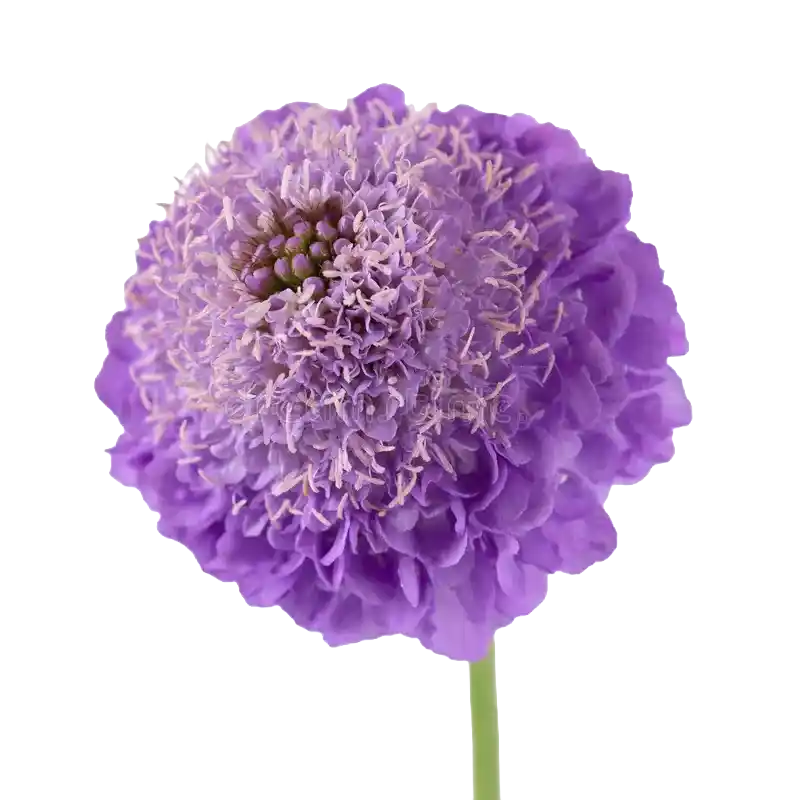
Knautia arvensis (field scabious) is a lilac-blue meadow flower traditionally used as a 'blood cleanser' for eczema and skin eruptions and for coughs and the throat. Related scabious species show antioxidant and antimicrobial activity from their polyphenols and saponins.الجُرَيبة الحقلية (Knautia arvensis) زهرة مروجٍ بنفسجية زرقاء تُستعمل تقليدياً «مُنقّياً للدم» للأكزيما وطفح الجلد وللسعال والحلق. وتُظهِر أنواع الجُرَيبة القريبة نشاطاً مضاداً للأكسدة والميكروبات من بوليفينولاتها وصابونيناتها.
Categoryالفئة
• Meadow flower — skin & blood herb
• Antioxidant / antimicrobial
• Anti-inflammatory (traditional)
• Blood 'cleanser' & eczema herb
• Astringent• زهرة مروجٍ — عشبة جلدٍ ودم
• مضاد للأكسدة/الميكروبات
• مضاد للالتهاب (تقليدي)
• «مُنقّي» دمٍ وعشبة أكزيما
• قابض
Habitatالموطن
A tall meadow perennial with pincushion-like lilac flowerheads, in grassland and roadsides across Europe and West Asia.نبتةٌ مرجيّة مُعمّرة طويلة بنوراتٍ بنفسجية كالمخدّة، في المروج وحواف الطرق عبر أوروبا وغرب آسيا.
Parts usedالأجزاء المستخدمة
• Aerial parts (flowering herb)
• Root• الأجزاء الهوائية (العشبة المزهرة)
• الجذر
Key constituentsالمكوّنات الفعّالة
• Saponins
• Flavonoids
• Tannins
• Iridoid glycosides
• Phenolic acids• صابونينات
• فلافونويدات
• عفص
• غليكوزيدات إيريدويدية
• أحماض فينولية
Researchالأبحاث
Field scabious is little studied on its own, but phytochemical work on Knautia and related scabious species documents saponins, flavonoids and tannins with antioxidant, antimicrobial and mild anti-inflammatory activity — consistent with the traditional skin, 'blood-cleansing' and cough uses. Robust clinical data are lacking.الجُرَيبة الحقلية قليلة الدراسة وحدها، لكن العمل الكيميائي على الجُرَيبة والأنواع القريبة يوثّق صابونينات وفلافونويدات وعفصاً بنشاطٍ مضاد للأكسدة والميكروبات ومضاد خفيف للالتهاب — بما يتّسق مع استعمالات الجلد و«تنقية الدم» والسعال التقليدية. وتنقص البيانات السريرية المتينة.
Published researchأبحاث منشورة
Traditional useالاستخدام التقليدي
Used in European folk medicine as a 'blood purifier' for eczema, itching and skin eruptions, a cough and throat remedy, and a wash for wounds, sores and cuts.تُستعمل في الطبّ الشعبي الأوروبي «مُنقّياً للدم» للأكزيما والحكّة وطفح الجلد، ودواءً للسعال والحلق، وغسولاً للجروح والقروح والقطوع.
Current useالاستخدام الحالي
Used in herbal skin and 'blood-cleansing' teas and washes; a minor traditional remedy.تُستعمل في شاي الجلد و«تنقية الدم» العشبي والغسولات؛ علاجٌ تقليديّ ثانوي.
Preparationsالتحضيرات
Infusion, Skin wash, Poulticeنقيع، غسول جلد، لبخة
Used for these conditionsيُستخدم لهذه الحالات
Adult dosageجرعة البالغين
Infusion of 1.5–2 g dried herb, up to 3 times daily, or as a skin wash.نقيع 1.5–2 غ عشبة مجفّفة، حتى 3 مرات يومياً، أو غسولاً للجلد.
Child dosageجرعة الأطفال
External skin washes are gentle; internal use only under guidance.غسولات الجلد الخارجية لطيفة؛ والاستعمال الداخلي بإشراف فقط.
Cautionتحذيرات
Generally regarded as gentle and low-risk. The saponins can mildly irritate the stomach in large amounts. Little modern safety data exist, so use modest amounts. Daisy-relative/allergy is possible in sensitive people.يُعدّ لطيفاً ومنخفض الخطورة عموماً. وقد تُهيّج الصابونينات المعدة قليلاً بالكميات الكبيرة. وتقلّ بيانات الأمان الحديثة، فاستعمِل كميات معتدلة. والتحسّس ممكن لدى الحسّاسين.
Pregnancy & nursingالحمل والرضاعة
Little data — avoid medicinal doses in pregnancy.بياناتٌ قليلة — تُتجنَّب الجرعات الدوائية في الحمل.