Introductionمقدّمة
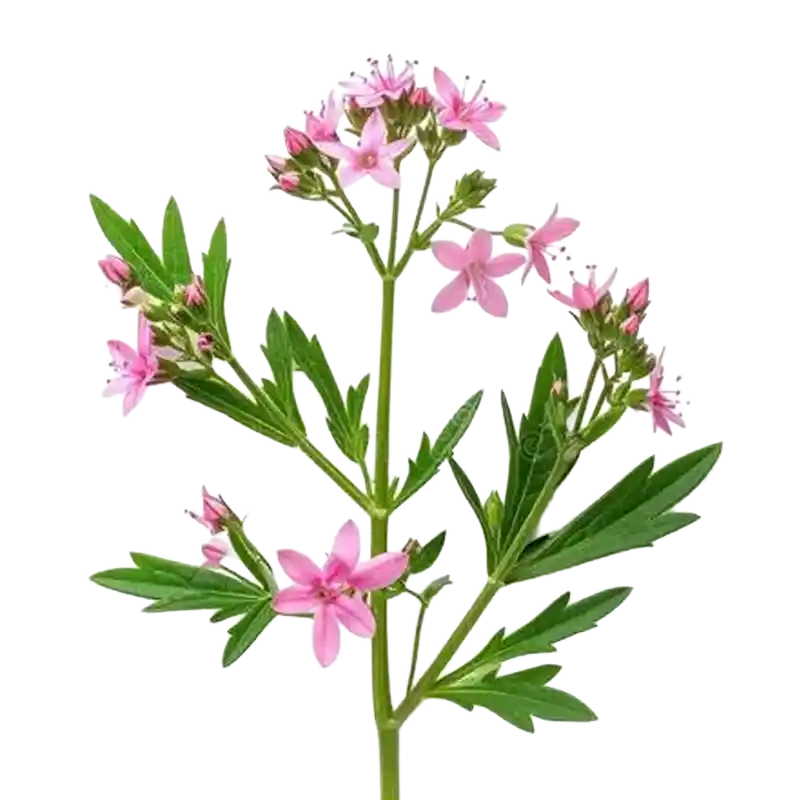
Centaurium erythraea (common centaury) is one of the classic European 'bitters' — a pink-flowered gentian relative used to stimulate appetite and digestion, tone the stomach and liver, and as a mild tonic. Studies show gastroprotective, antioxidant and antidiabetic activity.القنطريون الصغير (Centaurium erythraea) من «المُرّيّات» الأوروبية الكلاسيكية — قريبٌ للجنطيانا ورديّ الأزهار يُستعمل لتنبيه الشهية والهضم وتقوية المعدة والكبد، ومقوّياً خفيفاً. وتُظهِر الدراسات نشاطاً واقياً للمعدة ومضاداً للأكسدة والسكري.
Categoryالفئة
• Classic bitter digestive tonic
• Gastroprotective (preclinical)
• Antioxidant
• Antidiabetic (preclinical)
• Appetite & liver herb• مقوٍّ هاضم مُرّ كلاسيكي
• واقٍ للمعدة (أوّلي)
• مضاد للأكسدة
• مضاد للسكري (أوّلي)
• عشبة شهيةٍ وكبد
Habitatالموطن
A small biennial with clusters of pink star flowers, on dry grassland, dunes and open ground across Europe, North Africa and West Asia.نبتةٌ ثنائية الحول صغيرة بعناقيد أزهارٍ نجميّة ورديّة، في المروج الجافّة والكثبان والأرض المفتوحة عبر أوروبا وشمال إفريقيا وغرب آسيا.
Parts usedالأجزاء المستخدمة
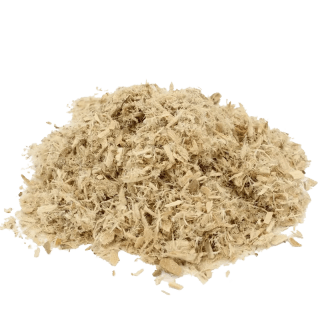
• Aerial parts (flowering herb)• الأجزاء الهوائية (العشبة المزهرة)
Key constituentsالمكوّنات الفعّالة
• Secoiridoid bitters (swertiamarin, gentiopicroside)
• Xanthones
• Flavonoids
• Phenolic acids• مُرّيّات سيكوإيريدويدية (سويرتيامارين، جنتيوبيكروزيد)
• زانثونات
• فلافونويدات
• أحماض فينولية
Researchالأبحاث
Research shows centaury protects the stomach lining against aspirin-induced damage in rats, has strong antioxidant and enzyme-inhibiting activity, and supports pancreatic beta-cell function in diabetes models — giving scientific backing to its long use as a digestive bitter and tonic. Human trials remain limited.يُظهِر البحث أن القنطريون يحمي بطانة المعدة من أذى الأسبرين في الجرذان، وله نشاطٌ قويّ مضاد للأكسدة ومثبّط للإنزيمات، ويدعم وظيفة خلايا بيتا البنكرياسية في نماذج السكري — بما يمنح سنداً علمياً لاستعماله الطويل مُرّاً هاضماً ومقوّياً. وتبقى التجارب البشرية محدودة.
Published researchأبحاث منشورة
Traditional useالاستخدام التقليدي
A classic European bitter tonic for poor appetite, sluggish digestion, bloating and heartburn, for the liver and gallbladder, as a mild fever remedy, and a 'blood purifier'.مقوٍّ مُرّ أوروبيّ كلاسيكي لضعف الشهية وبطء الهضم والانتفاخ والحُرقة، وللكبد والمرارة، ودواءٍ خفيف للحمّى، و«مُنقّياً للدم».
Current useالاستخدام الحالي
A common ingredient in digestive bitters, appetite tonics and 'stomach' teas; taken before meals.مكوّنٌ شائع في المُرّيّات الهاضمة ومقوّيات الشهية وشاي «المعدة»؛ يُؤخَذ قبل الطعام.
Preparationsالتحضيرات
Infusion, Tincture, Digestive bittersنقيع، صبغة، مُرّيّات هاضمة
Used for these conditionsيُستخدم لهذه الحالات
Adult dosageجرعة البالغين
Infusion of 1–2 g dried herb, or a few drops of tincture, shortly before meals.نقيع 1–2 غ عشبة مجفّفة، أو بضع قطرات صبغة، قُبيل الطعام.
Child dosageجرعة الأطفال
Only under professional guidance.فقط بإشراف مختصّ.
Cautionتحذيرات
Very bitter; it stimulates stomach acid, so avoid it with active stomach or duodenal ulcers or with excess acid. Its blood-sugar-lowering effect may add to diabetes medicines. Generally well tolerated in tea amounts.مُرٌّ جداً؛ ويُنبِّه حمض المعدة، فتجنّبه مع قرحة المعدة أو الاثني عشر النشطة أو مع فرط الحموضة. وقد يُضاف أثره الخافض لسكر الدم إلى أدوية السكري. جيّد التحمّل عموماً بكميات الشاي.
Pregnancy & nursingالحمل والرضاعة
Avoid medicinal doses in pregnancy — bitter stimulant, not established as safe.تُتجنَّب الجرعات الدوائية في الحمل — مُرٌّ مُنبِّه غير مثبت الأمان.