Introductionمقدّمة
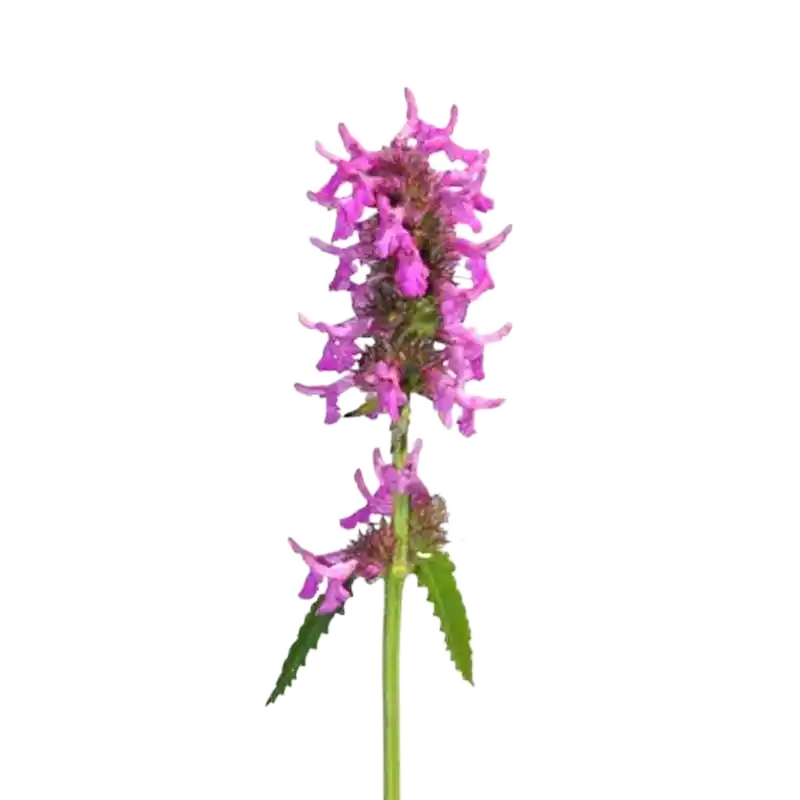
Betonica officinalis (wood betony, syn. Stachys officinalis) is a mint-family herb long treasured in European medicine as a calming nervine for headaches, tension and 'nerves', and a digestive bitter. It is rich in antioxidant phenolics.البيطونيقة (Betonica officinalis، وتُعرَف Stachys officinalis، حشيشة القدّيس) عشبةٌ نعناعية طالما قُدِّرت في الطبّ الأوروبي مقوّياً مُهدِّئاً للأعصاب للصداع والتوتّر و«الأعصاب»، ومُرّاً هاضماً. وهي غنيّة بالفينولات المضادة للأكسدة.
Categoryالفئة
• Classic nervine / headache herb
• Mild sedative / calming
• Antioxidant
• Digestive bitter
• Traditional 'cure-all'• مقوٍّ للأعصاب/عشبة صداع كلاسيكية
• مُهدِّئ خفيف
• مضاد للأكسدة
• مُرٌّ هاضم
• «شفاءٌ لكلّ داء» تقليدي
Habitatالموطن
A slender perennial of grasslands, heaths and open woods across Europe and western Asia, with spikes of reddish-purple flowers.نبتةٌ مُعمّرة نحيلة في المروج والأراضي الخلنجية والغابات المفتوحة عبر أوروبا وغرب آسيا، بسنابل أزهارٍ أرجوانية محمرّة.
Parts usedالأجزاء المستخدمة
• Aerial parts (flowering herb)• الأجزاء الهوائية (العشبة المزهرة)
Key constituentsالمكوّنات الفعّالة
• Phenylethanoid glycosides (verbascoside)
• Flavonoids
• Tannins
• Betaine / stachydrine alkaloids
• Diterpenes• غليكوزيدات فينيل إيثانويدية (فيرباسكوزيد)
• فلافونويدات
• عفص
• قلويدات البيتائين/الستاكيدرين
• ديتربينات
Researchالأبحاث
Wood betony is rich in verbascoside and other antioxidant phenolics, and reviews describe its traditional use as a mild sedative nervine, headache remedy and digestive/astringent tonic. Modern clinical studies are scarce, so its use rests mainly on long tradition and its documented antioxidant chemistry.البيطونيقة غنيّة بالفيرباسكوزيد وفينولاتٍ أخرى مضادة للأكسدة، وتصف المراجعات استعمالها التقليدي مقوّياً مُهدِّئاً خفيفاً للأعصاب ودواءً للصداع ومقوّياً هاضماً/قابضاً. وتندر الدراسات السريرية الحديثة، فيقوم استعمالها أساساً على التقليد الطويل وكيميائها المضادة للأكسدة الموثّقة.
Published researchأبحاث منشورة
Traditional useالاستخدام التقليدي
A famous old European remedy for headaches and migraine, nervous tension, anxiety and poor sleep, as a digestive bitter, a gargle for the mouth and throat, and a wound herb — once regarded as a near 'cure-all'.علاجٌ أوروبيّ قديم شهير للصداع والشقيقة والتوتّر العصبي والقلق وسوء النوم، ومُرّاً هاضماً، وغرغرةً للفم والحلق، وعشبةً للجروح — وعُدَّ يوماً «شفاءً لكلّ داء» تقريباً.
Current useالاستخدام الحالي
Used in calming and headache herbal teas and blends, often with herbs like skullcap or lemon balm.تُستعمل في شاي وخلطات التهدئة والصداع العشبية، غالباً مع أعشابٍ كالسكوتلاريا أو المليسة.
Preparationsالتحضيرات
Infusion, Tincture, Gargle, Herbal blendنقيع، صبغة، غرغرة، خلطة عشبية
Used for these conditionsيُستخدم لهذه الحالات
Adult dosageجرعة البالغين
Infusion of 1–2 g dried herb, up to 3 times daily.نقيع 1–2 غ عشبة مجفّفة، حتى 3 مرات يومياً.
Child dosageجرعة الأطفال
Only under professional guidance.فقط بإشراف مختصّ.
Cautionتحذيرات
Generally well tolerated in tea amounts. Large doses can irritate the stomach because of the tannins, and it may add to sedative or blood-pressure medicines. Avoid in pregnancy. Do not confuse it with unrelated 'betony' plants.جيّدة التحمّل عموماً بكميات الشاي. وقد تُهيّج الجرعات الكبيرة المعدة بسبب العفص، وقد تُضاف إلى الأدوية المُهدِّئة أو الخافضة للضغط. تُتجنَّب في الحمل. ولا تخلطها بنباتات «البيطونيقة» غير المرتبطة.
Pregnancy & nursingالحمل والرضاعة
Avoid in pregnancy — traditionally regarded as a uterine stimulant.تُتجنَّب في الحمل — تُعدّ تقليدياً مُنبِّهة للرحم.