Introductionمقدّمة
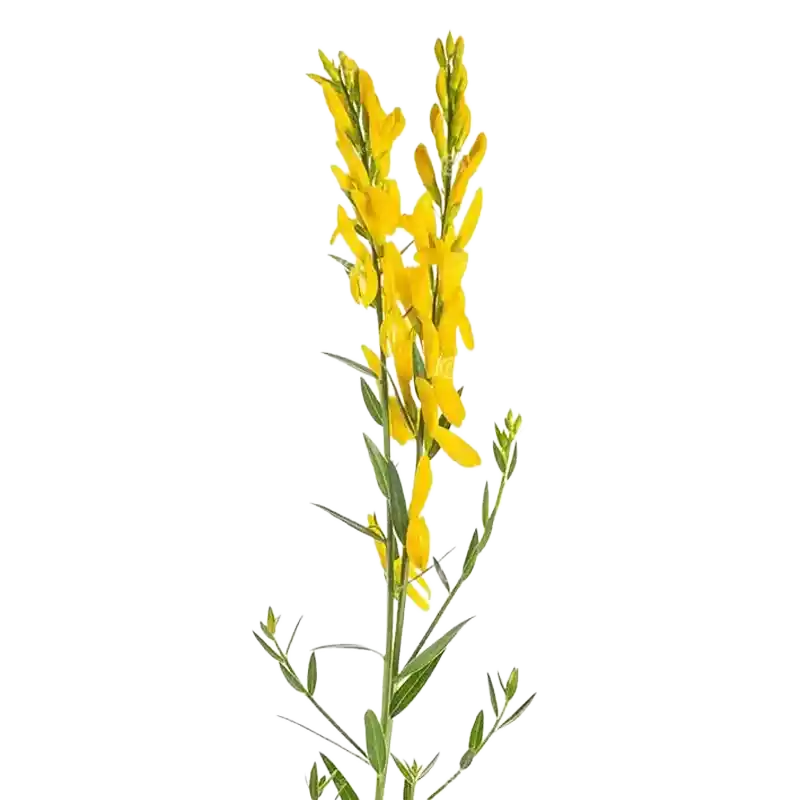
Genista tinctoria (dyer's greenweed) is a yellow-flowered broom that gave a classic yellow dye and is a plant source of the isoflavone genistein. Traditionally used as a mild diuretic and laxative; it also contains quinolizidine alkaloids, so care is needed.القُنَّيْبة الصبّاغية (Genista tinctoria) وَزّالٌ أصفر الأزهار أعطى صِبغةً صفراء كلاسيكية وهو مصدرٌ نباتيّ للآيزوفلافون جينيستين. استُعمل تقليدياً مُدرّاً ومليّناً خفيفاً؛ ويحوي أيضاً قلويدات كينوليزيدينية فيلزم الحذر.
Categoryالفئة
• Source of genistein (isoflavone)
• Phytoestrogen
• Diuretic / laxative (traditional)
• Antioxidant
• Contains alkaloids — use with care• مصدر الجينيستين (آيزوفلافون)
• إستروجين نباتي
• مُدرّ/مليّن (تقليدي)
• مضاد للأكسدة
• يحوي قلويدات — يُستعمل بحذر
Habitatالموطن
A low, green-stemmed shrub with spikes of yellow pea-flowers, on grassland and heaths across Europe and West Asia.شُجيرةٌ منخفضة خضراء الساق بسنابل أزهارٍ فراشية صفراء، في المروج والأراضي الخلنجية عبر أوروبا وغرب آسيا.
Parts usedالأجزاء المستخدمة
• Flowering tops
• Seeds (dye/traditional)• القمم المزهرة
• البذور (صِبغة/تقليدي)
Key constituentsالمكوّنات الفعّالة
• Isoflavones (genistein)
• Quinolizidine alkaloids (cytisine-type)
• Flavonoids
• Luteolin-type dyes• آيزوفلافونات (جينيستين)
• قلويدات كينوليزيدينية (من نوع السيتيزين)
• فلافونويدات
• أصباغ من نوع اللوتيولين
Researchالأبحاث
Genista tinctoria is a recognised plant source of genistein, an isoflavone with well-documented antioxidant, phytoestrogenic and anticancer-screening activity. The whole-plant traditional uses (diuretic, laxative) are less studied, and its alkaloid content limits internal dosing.القُنَّيْبة الصبّاغية مصدرٌ نباتيّ معترَف به للجينيستين، وهو آيزوفلافون ذو نشاطٍ موثَّق مضاد للأكسدة وإستروجيني نباتي وفي فحص السرطان. واستعمالات النبتة كاملةً (مُدرّ، مليّن) أقلّ دراسةً، ويحدّ محتواها القلويدي الجرعة الداخلية.
Published researchأبحاث منشورة
Traditional useالاستخدام التقليدي
Used in European folk medicine as a diuretic and laxative for water retention, gout and skin, and famously as a yellow textile dye.يُستعمل في الطبّ الشعبي الأوروبي مُدرّاً ومليّناً لاحتباس الماء والنقرس والجلد، واشتُهر صِبغةً صفراء للنسيج.
Current useالاستخدام الحالي
Chiefly of interest as a genistein source and a natural dye; limited modern medicinal use.مهمٌّ أساساً مصدراً للجينيستين وصِبغةً طبيعية؛ واستعماله الدوائي الحديث محدود.
Preparationsالتحضيرات
Traditional infusion, Natural dyeنقيع تقليدي، صِبغة طبيعية
Used for these conditionsيُستخدم لهذه الحالات
Adult dosageجرعة البالغين
No standardised safe dose — traditional amounts only, cautiously.لا جرعة آمنة موحّدة — كميات تقليدية فقط وبحذر.
Child dosageجرعة الأطفال
Not for children.لا يُستعمل للأطفال.
Cautionتحذيرات
Contains cytisine-type alkaloids — large doses can cause nausea, vomiting and nerve effects, so avoid strong internal use. As a phytoestrogen it may not suit hormone-sensitive conditions. Best regarded as a dye and research plant rather than a home remedy.يحوي قلويدات من نوع السيتيزين — قد تسبّب الجرعات الكبيرة غثياناً وقيئاً وتأثيراتٍ عصبية، فتجنّب الاستعمال الداخلي القويّ. وكإستروجينٍ نباتي قد لا يناسب الحالات الحسّاسة للهرمونات. والأفضل عدّه نبتة صِبغة وبحث لا علاجاً منزلياً.
Pregnancy & nursingالحمل والرضاعة
Avoid in pregnancy — phytoestrogen and alkaloid content.يُتجنَّب في الحمل — لمحتوى الإستروجين النباتي والقلويدات.