Introductionمقدّمة
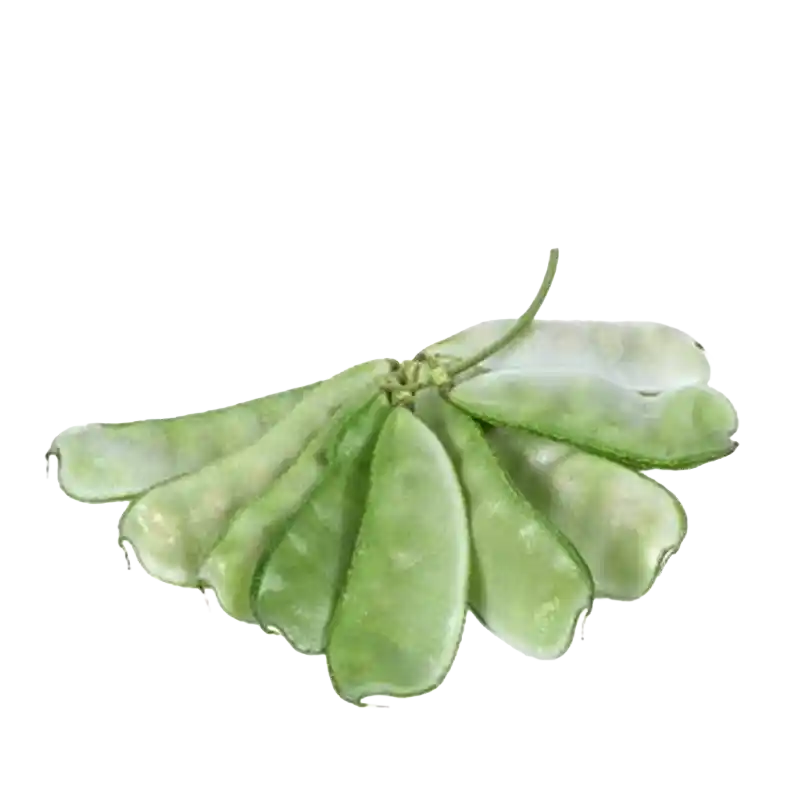
Dolichos lablab (Lablab purpureus) — hyacinth bean, Baibiandou — is an edible legume used in Chinese medicine to strengthen digestion and relieve summer ‘damp’ diarrhoea, nausea and weakness; the beans are food.فاصولياء لبلاب (Dolichos lablab، وLablab purpureus) — «باي بيان دو» — بقوليٌّ صالح للأكل يُستعمل في الطبّ الصيني لتقوية الهضم وتخفيف إسهال «رطوبة الصيف» والغثيان والضعف؛ والحبوب طعام.
Categoryالفئة
• Spleen/digestive tonic (TCM)
• Anti-diarrhoeal
• Antioxidant
• Nutritive legume
• Anti-nausea (summer-damp)• مقوٍّ للطحال/الهضم (طبّ صيني)
• مضادّ للإسهال
• مضاد للأكسدة
• بقوليٌّ مُغذٍّ
• مضادّ للغثيان (رطوبة الصيف)
Habitatالموطن
A climbing legume of the tropics and Asia, grown for its edible pods and beans.بقوليٌّ متسلّق في المناطق المدارية وآسيا، يُزرع لقرونه وحبوبه الصالحة للأكل.
Parts usedالأجزاء المستخدمة
• Seeds (beans)
• Flowers• البذور (الحبوب)
• الأزهار
Key constituentsالمكوّنات الفعّالة
• Protein & fibre
• Flavonoids & phenolics
• Saponins
• Lectins (raw beans)
• Sterols• بروتين وألياف
• فلافونويدات وفينولات
• صابونينات
• ليكتينات (الحبوب النيّئة)
• ستيرولات
Researchالأبحاث
Reviews report antioxidant, anti-inflammatory, antimicrobial, blood-sugar-supporting and anti-diarrhoeal effects of the beans and their phenolics/saponins, consistent with the digestive use. IMPORTANT: raw or undercooked beans contain toxic lectins and must be thoroughly cooked. Human clinical evidence is limited.تذكر المراجعات تأثيراتٍ مضادة للأكسدة والالتهاب والميكروبات وداعمة لسكر الدم ومضادة للإسهال للحبوب وفينولاتها/صابونيناتها، بما يتّسق مع الاستعمال الهاضم. مهمّ: تحوي الحبوب النيّئة أو غير المطهوّة جيداً ليكتينات سامّة ويجب طبخها جيداً. والأدلة السريرية البشرية محدودة.
Traditional useالاستخدام التقليدي
Used in Chinese medicine for diarrhoea and poor appetite from weak digestion, nausea and heaviness in hot, damp weather, and vaginal discharge; the beans are eaten as food.تُستعمل في الطبّ الصيني للإسهال وضعف الشهية من ضعف الهضم والغثيان والثقل في الطقس الحارّ الرطب والإفرازات المهبلية؛ والحبوب تُؤكل طعاماً.
Current useالاستخدام الحالي
Eaten as a cooked bean and used as seed decoction/powder in digestive formulas.تُؤكل حبوباً مطبوخة وتُستعمل مغليّ/مسحوق بذور في تركيبات الهضم.
Preparationsالتحضيرات
Cooked beans (food), Seed decoction/powderحبوب مطبوخة (طعام)، مغليّ/مسحوق البذور
Used for these conditionsيُستخدم لهذه الحالات
Adult dosageجرعة البالغين
Well-cooked food amounts; therapeutic use per practitioner.الكميات الغذائية المطبوخة جيداً؛ والاستعمال العلاجي بحسب المختصّ.
Child dosageجرعة الأطفال
Well-cooked bean food amounts are fine.الكميات الغذائية من الحبوب المطبوخة جيداً مقبولة.
Cautionتحذيرات
IMPORTANT: raw or undercooked hyacinth beans contain toxic lectins (and cyanogenic compounds) and can cause nausea and vomiting — always cook them thoroughly. Well-cooked beans are a safe, nutritious food.مهمّ: تحوي فاصولياء اللبلاب النيّئة أو غير المطهوّة جيداً ليكتينات سامّة (ومركّباتٍ سيانوجينية) وقد تُسبّب غثياناً وقيئاً — اطبخها جيداً دائماً. والحبوب المطبوخة جيداً طعامٌ آمن مُغذٍّ.
Pregnancy & nursingالحمل والرضاعة
Well-cooked bean food amounts are fine.الكميات الغذائية من الحبوب المطبوخة جيداً مقبولة.