Introductionمقدّمة
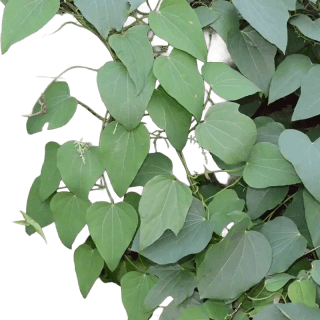
Taxillus chinensis — mulberry mistletoe, Sangjisheng — is a parasitic plant used in Chinese medicine for the lower back and joints, to strengthen bones and tendons, and to calm the womb and support pregnancy.دبق التوت (Taxillus chinensis) — «سانغ جي شينغ» — نبتةٌ طفيلية تُستعمل في الطبّ الصيني لأسفل الظهر والمفاصل وتقوية العظام والأوتار وتهدئة الرحم ودعم الحمل.
Categoryالفئة
• Joint / bone & pregnancy tonic (TCM)
• Anti-inflammatory
• Antioxidant
• Antihypertensive (preclinical)
• Immunomodulatory• مقوٍّ للمفاصل والعظام والحمل (طبّ صيني)
• مضاد للالتهاب
• مضاد للأكسدة
• خافضٌ للضغط (أوّلي)
• منظِّم للمناعة
Habitatالموطن
A parasitic shrub growing on mulberry and other trees in East and Southeast Asia.شُجيرةٌ طفيلية تنمو على التوت وأشجارٍ أخرى في شرق وجنوب شرق آسيا.
Parts usedالأجزاء المستخدمة
• Stems & leaves (whole aerial plant)• السيقان والأوراق (النبات الهوائيّ كاملاً)
Key constituentsالمكوّنات الفعّالة
• Flavonoids (quercetin, avicularin)
• Catechins
• Coumarins
• Sterols• فلافونويدات (كيرسيتين، أفيكولارين)
• كاتيكينات
• كومارينات
• ستيرولات
Researchالأبحاث
Reviews confirm anti-inflammatory, antioxidant, blood-pressure-lowering, immune-modulating and bone-supporting effects of the plant and its flavonoids, consistent with its use for the joints, bones and pregnancy. Human clinical evidence is limited. Note the host tree matters — mistletoe from toxic trees should be avoided.تؤكّد المراجعات تأثيراتٍ مضادة للالتهاب والأكسدة وخافضة للضغط ومنظِّمة للمناعة وداعمة للعظام للنبتة وفلافونويداتها، بما يتّسق مع استعمالها للمفاصل والعظام والحمل. والأدلة السريرية البشرية محدودة. ويُلاحَظ أنّ الشجرة المضيفة مهمّة — ويُتجنَّب الدبق من الأشجار السامّة.
Traditional useالاستخدام التقليدي
Used in Chinese medicine for weak or painful lower back and knees, arthritis, high blood pressure, and to calm a restless fetus and prevent miscarriage.يُستعمل في الطبّ الصيني لأسفل الظهر والركبتين الضعيفين أو المؤلمين والتهاب المفاصل وارتفاع الضغط وتهدئة الجنين المُضطرب ومنع الإجهاض.
Current useالاستخدام الحالي
Used as decoction, powder and extracts, in joint and pregnancy-support formulas.يُستعمل مغليّاً ومسحوقاً ومستخلصات، في تركيبات المفاصل ودعم الحمل.
Preparationsالتحضيرات
Decoction, Powder, Extractمغليّ، مسحوق، مستخلص
Used for these conditionsيُستخدم لهذه الحالات
Adult dosageجرعة البالغين
Traditional use per practitioner; for extracts follow the product.تقليدياً بحسب المختصّ؛ وللمستخلصات اتّبع الإرشاد.
Child dosageجرعة الأطفال
Use only under professional guidance for children.لا يُستعمل للأطفال إلا بإشراف مختصّ.
Cautionتحذيرات
Generally well tolerated within traditional formulas. Because it is a mistletoe, its safety depends on the host tree — only material grown on non-toxic hosts should be used, from a reputable source. Use under a qualified practitioner, especially in pregnancy.جيّد التحمّل ضمن التركيبات التقليدية عموماً. وككونه دبقاً، تعتمد سلامته على الشجرة المضيفة — ولا تُستعمل إلا مادّةٌ نمت على مضيفٍ غير سامّ من مصدرٍ موثوق. ويُستعمل بإشراف مختصّ مؤهّل، خاصةً في الحمل.
Pregnancy & nursingالحمل والرضاعة
Traditionally used in pregnancy to prevent miscarriage, but only under a qualified practitioner — not self-prescribed.يُستعمل تقليدياً في الحمل لمنع الإجهاض، لكن بإشراف مختصّ مؤهّل فقط — لا وصفاً ذاتياً.