
Introductionمقدّمة
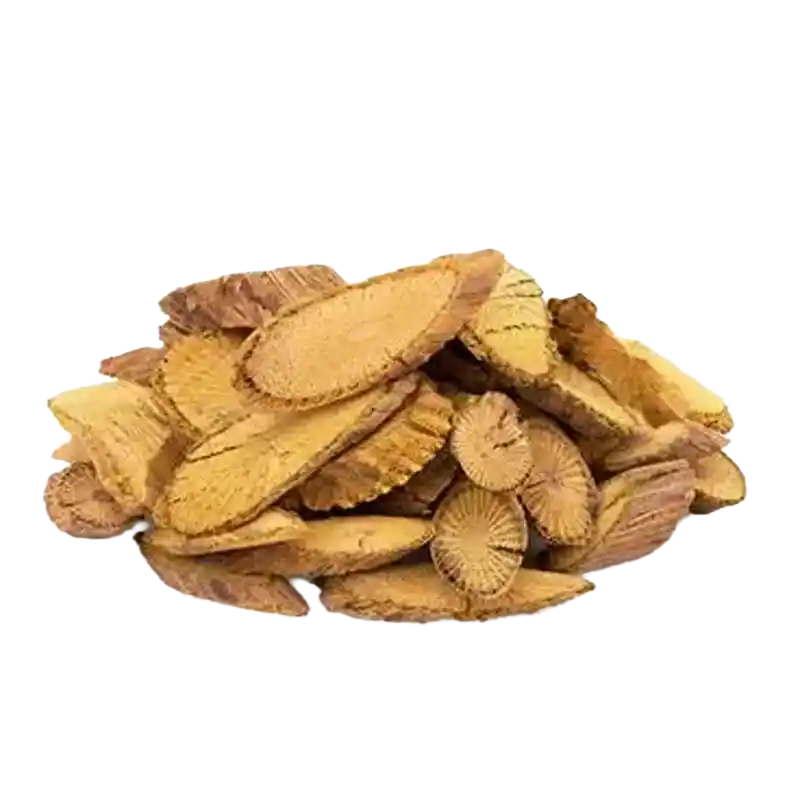
Coscinium fenestratum — tree turmeric, a “Daruharidra” source — is a woody climber whose bright-yellow, berberine-rich stem is used for infections, wounds, the liver and blood sugar, much like Berberis.الكركم الشجري (Coscinium fenestratum) — مصدرٌ لـ«داروهاريدرا» — متسلّقٌ خشبيّ، ساقه الصفراء الزاهية الغنيّة بالبربارين تُستعمل للعدوى والجروح والكبد وسكر الدم، شبيهاً بـ«البرباريس».
Categoryالفئة
• Antimicrobial (berberine)
• Antidiabetic / lipid-lowering
• Anti-inflammatory
• Hepatoprotective
• Wound & skin remedy• مضاد للميكروبات (بربارين)
• مضادّ للسكري / خافضٌ للدهون
• مضاد للالتهاب
• واقٍ للكبد
• علاجٌ للجروح والجلد
Habitatالموطن
Native to South and Southeast Asian rainforests; a large woody climber, now threatened by over-harvesting.موطنها الغابات المطيرة في جنوب وجنوب شرق آسيا؛ متسلّقٌ خشبيّ كبير، بات مهدّداً بالحصاد المُفرط.
Parts usedالأجزاء المستخدمة
• Stem / wood (primary)
• Root• الساق / الخشب (الأساس)
• الجذر
Key constituentsالمكوّنات الفعّالة
• Berberine (main alkaloid)
• Other protoberberine alkaloids
• Palmatine
• Sterols• بربارين (القلويد الأساسي)
• قلويدات بروتوبربارينية أخرى
• بالماتين
• ستيرولات
Researchالأبحاث
The stem is rich in berberine, and laboratory and animal studies confirm antimicrobial, blood-sugar- and lipid-lowering, anti-inflammatory and liver-protective effects, mirroring the wider berberine evidence. Species-specific human trials are limited, and the plant is endangered.الساق غنيّة بالبربارين، وتؤكّد دراسات المختبر والحيوان تأثيراتٍ مضادة للميكروبات وخافضة للسكر والدهون ومضادة للالتهاب وواقية للكبد، بما يوازي أدلّة البربارين الأوسع. والتجارب البشرية الخاصّة بالنوع محدودة، والنبتة مهدّدة بالانقراض.
Traditional useالاستخدام التقليدي
Used in South Asian traditional medicine for infections, wounds and ulcers, skin diseases, diabetes, and liver and digestive complaints (as a Daruharidra source).يُستعمل في طبّ جنوب آسيا التقليدي للعدوى والجروح والقرح والأمراض الجلدية والسكري وشكاوى الكبد والهضم (مصدراً لـ«داروهاريدرا»).
Current useالاستخدام الحالي
Taken as stem decoction, powder and berberine-rich extracts, and used externally on wounds.يُؤخذ مغليّ ساق ومسحوقاً ومستخلصاتٍ غنيّة بالبربارين، ويُستعمل خارجياً على الجروح.
Preparationsالتحضيرات
Stem decoction, Powder, Extract, Wound washمغليّ الساق، مسحوق، مستخلص، غسول للجروح
Used for these conditionsيُستخدم لهذه الحالات
Adult dosageجرعة البالغين
Traditional use per practitioner; for berberine-rich extracts follow the product and use under guidance.تقليدياً بحسب المختصّ؛ وللمستخلصات الغنيّة بالبربارين اتّبع الإرشاد واستعملها بإشراف.
Child dosageجرعة الأطفال
Do not use in infants or young children (jaundice risk).لا يُستعمل للرضّع والأطفال الصغار (خطر اليرقان).
Cautionتحذيرات
Like other berberine plants, it can lower blood sugar and blood pressure (additive with those medicines) and raises the blood levels of many drugs by inhibiting liver enzymes — take care with any medication. Avoid strictly in pregnancy, breastfeeding and newborns (jaundice risk). The species is endangered, so choose a sustainable source or a Berberis alternative.كسائر نباتات البربارين، قد يخفض سكر الدم وضغطه (بالإضافة إلى تلك الأدوية) ويرفع مستوى كثيرٍ من الأدوية في الدم بتثبيط إنزيمات الكبد — احذر مع أيّ دواء. ويُتجنَّب بصرامة في الحمل والرضاعة والولدان (خطر اليرقان). والنوع مهدّد، فاختر مصدراً مستداماً أو بديلاً من «البرباريس».
Pregnancy & nursingالحمل والرضاعة
Do NOT use in pregnancy or breastfeeding — berberine can reach the baby and may cause or worsen newborn jaundice (kernicterus risk).لا يُستعمل في الحمل أو الرضاعة — قد يصل البربارين إلى الطفل وقد يُسبّب أو يُفاقم يرقان الوليد (خطر اليرقان النووي).


