Introductionمقدّمة
Cheilocostus speciosus (formerly Costus speciosus) — crepe ginger, Kemuka — is a rhizomatous herb whose roots are a source of diosgenin and are traditionally used for diabetes, fevers and inflammation.زنجبيل الكريب (Cheilocostus speciosus، وسابقاً Costus speciosus) — «كيموكا» — عشبةٌ جذمورية جذورها مصدرٌ للديوسجينين، وتُستعمل تقليدياً للسكري والحمّى والالتهاب.
Categoryالفئة
• Antidiabetic (traditional)
• Diosgenin source
• Anti-inflammatory
• Antioxidant
• Diuretic• مضادّ للسكري (تقليدي)
• مصدرٌ للديوسجينين
• مضاد للالتهاب
• مضاد للأكسدة
• مُدرّ للبول
Habitatالموطن
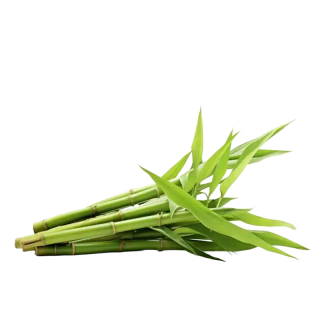
Native to South and Southeast Asia; a tall herb of moist forests with spiralling leaves and white crepe-like flowers.موطنها جنوب وجنوب شرق آسيا؛ عشبةٌ طويلة في الغابات الرطبة بأوراقٍ حلزونية وأزهارٍ بيضاء تشبه الكريب.
Parts usedالأجزاء المستخدمة
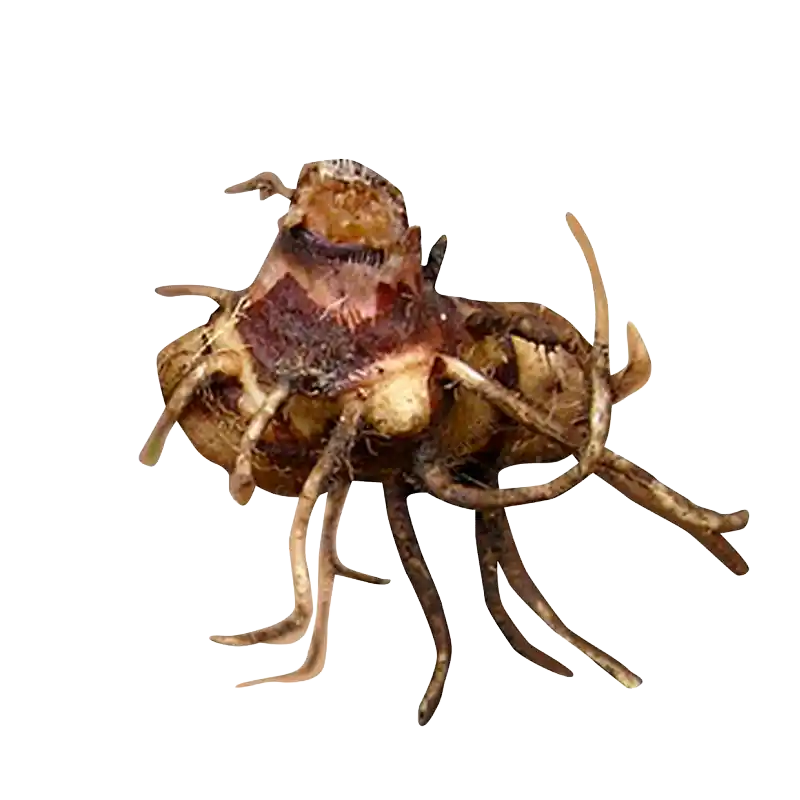
• Rhizome / root (primary)
• Leaves• الجذمور / الجذر (الأساس)
• الأوراق
Key constituentsالمكوّنات الفعّالة
• Diosgenin (steroidal saponin)
• Costunolide & eremanthin
• Sterols
• Flavonoids
• Triterpenes• ديوسجينين (صابونين ستيرويدي)
• كوستونوليد وإيريمانثين
• ستيرولات
• فلافونويدات
• تربينات ثلاثية
Researchالأبحاث
Animal studies report blood-sugar-lowering, anti-inflammatory and antioxidant effects, attributed largely to diosgenin, costunolide and eremanthin; the plant is also an industrial source of diosgenin for steroid synthesis. Rigorous human trials are lacking.تُظهر دراسات الحيوان تأثيراتٍ خافضةً لسكر الدم ومضادةً للالتهاب والأكسدة، تُعزى غالباً إلى الديوسجينين والكوستونوليد والإيريمانثين؛ والنبتة أيضاً مصدرٌ صناعيّ للديوسجينين لتخليق الستيرويدات. وتنقص التجارب البشرية الدقيقة.
Traditional useالاستخدام التقليدي
Used in Ayurveda for diabetes, fevers, skin diseases, and as an anti-inflammatory and diuretic.تُستعمل في الأيورفيدا للسكري والحمّيات والأمراض الجلدية، ومضادّاً للالتهاب ومُدرّاً للبول.
Current useالاستخدام الحالي
Taken as rhizome powder or extracts; also grown as a source of diosgenin.تُؤخذ مسحوق جذمور أو مستخلصات؛ وتُزرع أيضاً مصدراً للديوسجينين.
Preparationsالتحضيرات
Rhizome powder, Decoction, Extractمسحوق الجذمور، مغليّ، مستخلص
Used for these conditionsيُستخدم لهذه الحالات
Adult dosageجرعة البالغين
Traditional use per practitioner; no established medicinal dose.تقليدياً بحسب المختصّ؛ ولا توجد جرعة دوائية ثابتة.
Child dosageجرعة الأطفال
Not recommended for children.لا يُنصَح به للأطفال.
Cautionتحذيرات
Because it may lower blood sugar, take care if you use diabetes medicines (risk of hypoglycaemia) and monitor levels. Do not confuse it with the unrelated “Costus” (Saussurea/qust) of Arabic tradition. Insufficient human safety data.لأنه قد يخفض سكر الدم، انتبه مع أدوية السكري (خطر الهبوط) وراقِب المستويات. ولا تخلطه بـ«القُسط» (Saussurea) في التراث العربي فهو نباتٌ آخر. وبيانات السلامة البشرية غير كافية.
Pregnancy & nursingالحمل والرضاعة
Avoid in pregnancy — steroidal saponins and insufficient data.يُتجنَّب في الحمل — لصابونيناتٍ ستيرويدية وبياناتٍ غير كافية.