Introductionمقدّمة
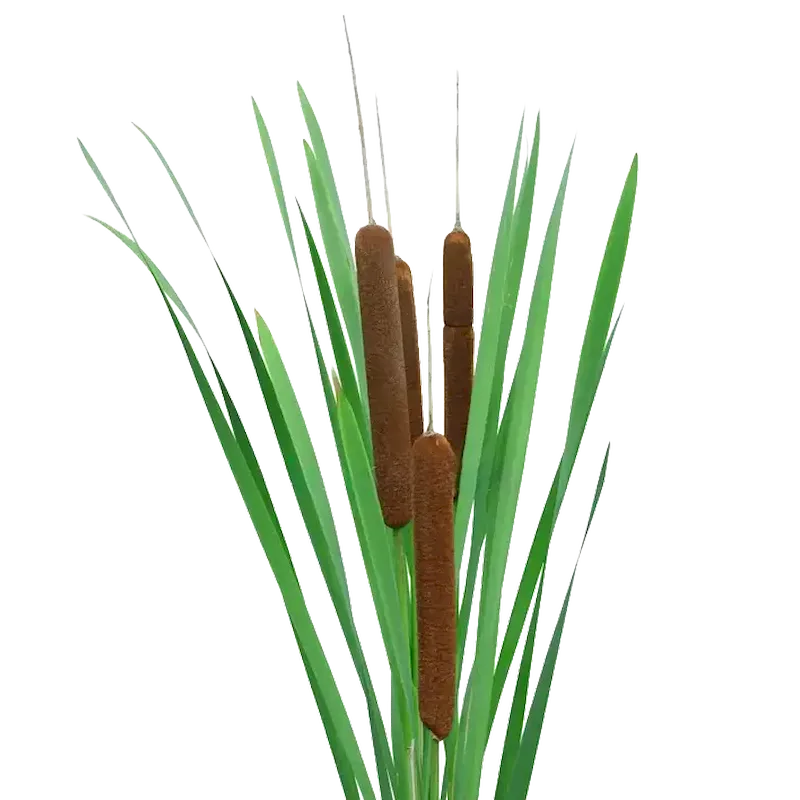
Cattail, scientifically known as Typha angustifolia, is a perennial aquatic plant belonging to the Typhaceae family. It is recognized for its distinctive brown, cigar-shaped flower heads and has historical uses in various traditional cultures, including food and potential medicinal applications. نبات البردي، المعروف علمياً باسم Typha angustifolia، هو نبات مائي معمر ينتمي إلى عائلة البردي. ويُعرف بأزهاره البنية المميزة التي تشبه السيجار، وله استخدامات تاريخية في العديد من الثقافات التقليدية، بما في ذلك استخدامه في الغذاء وفي التطبيقات الطبية المحتملة.
Categoryالفئة
• Potential food source
• Traditional use for wound dressing
• Possible diuretic effects• مصدر غذائي محتمل
• استخدام تقليدي لتضميد الجروح
• تأثيرات مدرة للبول محتملة
Habitatالموطن
Cattails are commonly found in wetland habitats, such as marshes, swamps, and the edges of ponds and lakes. They are well-adapted to aquatic environments and have been used by various cultures for food and potential medicinal purposes. Different parts of the plant, including the rhizomes and young shoots, have been utilized.تنتشر نباتات البردي بكثرة في البيئات الرطبة، كالمستنقعات والأهوار وحواف البرك والبحيرات. وهي تتكيف جيداً مع البيئات المائية، وقد استخدمتها ثقافات مختلفة كغذاء ولأغراض طبية محتملة. وقد استُخدمت أجزاء مختلفة من النبات، بما في ذلك الجذور والبراعم الصغيرة.
Parts usedالأجزاء المستخدمة
• Rhizomes
• Young shoots
• Pollen• الجذور
• البراعم الصغيرة
• حبوب اللقاح
Key constituentsالمكوّنات الفعّالة
• Rhizomes: high starch content (roughly 30–70% of dry mass depending on source and method), with about 6–8% protein, small amounts of fat and ash, making them a carbohydrate‑rich food resource.
• Pollen: rich in flavonoids (notably typhaneoside and isorhamnetin‑3‑O‑neohesperidoside), other phenolics, sterols (e.g., stigmasterol), fatty acids, nucleosides and cerebrosides.
• Leaves and rhizomes (as medicinal materials): saponins, coumarins and flavonoids have been reported, along with β‑sitosterol, catechin/epicatechin‑type flavan‑3‑ols and general mineral accumulation (notably Fe, Mn, Zn) in below‑ground tissues.• الجذور: غنية بالنشا (حوالي 30-70% من الكتلة الجافة حسب المصدر وطريقة التحضير)، وتحتوي على حوالي 6-8% بروتين، وكميات قليلة من الدهون والرماد، مما يجعلها مصدرًا غذائيًا غنيًا بالكربوهيدرات.
• حبوب اللقاح: غنية بالفلافونويدات (خاصةً التيفانوسيد والإيزورامنيتين-3-O-نيوهيسبيريدوسيد)، والفينولات الأخرى، والستيرولات (مثل الستيغماستيرول)، والأحماض الدهنية، والنيوكليوسيدات، والسيربروسيدات.
• الأوراق والجذور (كمواد طبية): تم الإبلاغ عن وجود الصابونين والكومارين والفلافونويدات، بالإضافة إلى بيتا-سيتوستيرول، والفلافان-3-أولات من نوع الكاتشين/إبيكاتشين، وتراكم المعادن بشكل عام (خاصةً الحديد والمنغنيز والزنك) في الأنسجة تحت الأرضية.
Researchالأبحاث
Research on Cattail has explored its nutritional content, including starch and protein, as well as its potential as a food source. It is traditionally used for wound dressing, and there is limited scientific research on its medicinal properties. استكشفت الأبحاث التي أُجريت على نبات البردي محتواه الغذائي، بما في ذلك النشا والبروتين، بالإضافة إلى إمكاناته كمصدر غذائي. ويُستخدم تقليديًا في تضميد الجروح، إلا أن الأبحاث العلمية حول خصائصه الطبية محدودة.
Traditional useالاستخدام التقليدي
Cattail has a history of traditional use by various cultures for food, wound dressing, and potential medicinal applications. Different parts of the plant, such as the rhizomes, young shoots, and pollen, have been used in traditional remedies.يتمتع نبات البردي بتاريخ طويل من الاستخدام التقليدي في ثقافات مختلفة كغذاء، وضمادات للجروح، وله استخدامات طبية محتملة. وقد استُخدمت أجزاء مختلفة من النبات، مثل الجذور والبراعم الصغيرة وحبوب اللقاح، في العلاجات التقليدية.
Current useالاستخدام الحالي
Cattail can be prepared in various ways, including as a food source, wound dressing, or poultice. It is traditionally used based on cultural knowledge and desired applications. يمكن تحضير نبات البردي بطرق متنوعة، بما في ذلك استخدامه كمصدر غذائي، أو ضمادة للجروح، أو كمرهم. ويُستخدم تقليدياً بناءً على المعرفة الثقافية والاستخدامات المرغوبة.
Preparationsالتحضيرات
Poulticeلبخة
Used for these conditionsيُستخدم لهذه الحالات
Adult dosageجرعة البالغين
Dosage recommendations for Cattail may vary depending on cultural traditions and intended uses, such as food preparation or medicinal applications. قد تختلف توصيات الجرعات لنبات ذيل القط تبعاً للتقاليد الثقافية والاستخدامات المقصودة، مثل تحضير الطعام أو التطبيقات الطبية.
Child dosageجرعة الأطفال
Consult with traditional practitioners or healthcare providers for appropriate dosages and uses specific to cultural practices. استشر الممارسين التقليديين أو مقدمي الرعاية الصحية للحصول على الجرعات والاستخدامات المناسبة الخاصة بالممارسات الثقافية.
Cautionتحذيرات
Cattail is generally considered safe for most people when used according to cultural practices. However, individuals may have allergies or sensitivities, and it is advisable to consult with traditional practitioners or healthcare providers for guidance on its use.يُعتبر نبات ذيل القط آمناً بشكل عام لمعظم الناس عند استخدامه وفقاً للعادات والتقاليد. مع ذلك، قد يعاني بعض الأفراد من حساسية تجاهه، لذا يُنصح باستشارة المعالجين التقليديين أو مقدمي الرعاية الصحية للحصول على إرشادات حول استخدامه.
Pregnancy & nursingالحمل والرضاعة
Cattail pollen (Pu Huang) is traditionally contraindicated in pregnancy, as it invigorates blood circulation and may stimulate the uterus; avoid the pollen preparation during pregnancy. The starchy rhizome eaten as food is not the concern.حبوب لقاح البردي (بو هوانغ) يُمنع استخدامها تقليدياً أثناء الحمل، لأنها تنشّط الدورة الدموية وقد تحفّز الرحم؛ يُتجنّب مستحضر حبوب اللقاح أثناء الحمل. أما الجذمور النشوي المتناول كغذاء فلا يمثل هذا القلق.