Introductionمقدّمة
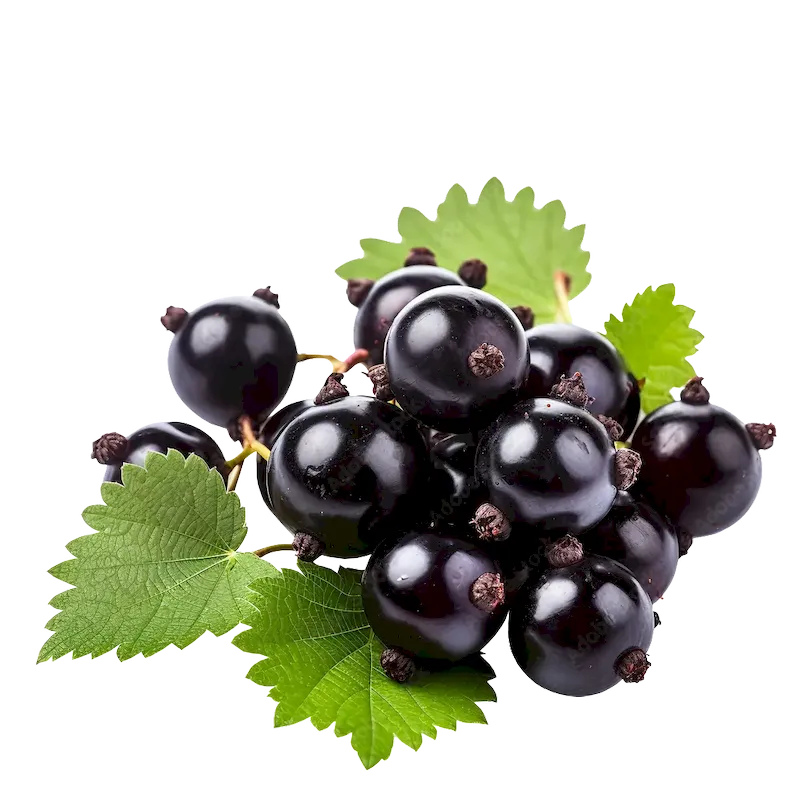
Blackcurrant, scientifically known as Ribes nigrum, is a deciduous shrub native to Europe and Asia. It is renowned for its small, dark berries, which are highly nutritious and used in various culinary and medicinal applications. Blackcurrant has a long history of traditional use for its potential health benefits. الكشمش الأسود، المعروف علميًا باسم Ribes nigrum، شجيرة نفضية موطنها الأصلي أوروبا وآسيا. تشتهر بثمارها الصغيرة الداكنة، الغنية بالعناصر الغذائية، والتي تُستخدم في العديد من التطبيقات الغذائية والطبية. وللكشمش الأسود تاريخ طويل من الاستخدام التقليدي لما له من فوائد صحية محتملة.
Categoryالفئة
• Potential antioxidant effects
• Traditional use for immune support
• Culinary use in jams, juices, and desserts• تأثيرات مضادة للأكسدة محتملة
• الاستخدام التقليدي لدعم المناعة
• الاستخدام في الطهي في المربى والعصائر والحلويات
Habitatالموطن
Blackcurrant is commonly cultivated in gardens and orchards in regions with temperate climates. It thrives in well-drained soil and is known for its high yield of berries. The primary part used is the berries, which are rich in vitamins, antioxidants, and other bioactive compounds.يُزرع الكشمش الأسود بكثرة في الحدائق والبساتين في المناطق ذات المناخ المعتدل. ينمو جيداً في التربة جيدة التصريف، ويُعرف بوفرة ثماره. الجزء الأساسي المستخدم هو الثمار، الغنية بالفيتامينات ومضادات الأكسدة والمركبات النشطة بيولوجياً الأخرى.
Parts usedالأجزاء المستخدمة
• Berries • التوت
Key constituentsالمكوّنات الفعّالة
• Berry anthocyanins (major pigments): mainly delphinidin‑3‑O‑rutinoside and cyanidin‑3‑O‑rutinoside, plus delphinidin‑3‑O‑glucoside and cyanidin‑3‑O‑glucoside; smaller amounts of 3‑O‑glucosides and 3‑O‑rutinosides of pelargonidin, peonidin, petunidin and malvidin, and coumaroyl‑glucosides of cyanidin and delphinidin.
• Other berry phenolics: chlorogenic acid, caffeic acid and other phenolic acids, plus flavan‑3‑ols such as epicatechin and general flavonoids contributing to antioxidant capacity.
• Seed oil fatty acids: high in gamma‑linolenic acid (GLA), alpha‑linolenic acid and stearidonic acid, along with linoleic and oleic acids; GLA often around 11–18% of total fatty acids in many cultivars.
• Leaf proanthocyanidins and flavonoids: oligomeric and polymeric proanthocyanidins (prodelphinidins and procyanidins) built from flavan‑3‑ol units, as well as quercetin and kaempferol derivatives.
• Vitamins and primary metabolites (berries): very high vitamin C content, plus sugars and organic acids that determine taste and basic nutritional value.• الأنثوسيانينات الموجودة في التوت (الأصباغ الرئيسية): بشكل رئيسي دلفينيدين-3-O-روتينوسيد وسيانيدين-3-O-روتينوسيد، بالإضافة إلى دلفينيدين-3-O-غلوكوزيد وسيانيدين-3-O-غلوكوزيد؛ وكميات أقل من 3-O-غلوكوزيدات و3-O-روتينوزيدات من بيلارجونيدين، وبيونيدين، وبيتونيدين، ومالفيدين، وكومارويل-غلوكوزيدات من سيانيدين ودلفينيدين.
• مركبات فينولية أخرى في التوت: حمض الكلوروجينيك، وحمض الكافيين، وأحماض فينولية أخرى، بالإضافة إلى فلافان-3-أول مثل إبيكاتشين، وفلافونويدات عامة تساهم في القدرة المضادة للأكسدة.
• الأحماض الدهنية في زيت البذور: غنية بحمض جاما لينولينيك (GLA) وحمض ألفا لينولينيك وحمض ستيريدونيك، بالإضافة إلى حمض اللينوليك وحمض الأوليك؛ يشكل حمض جاما لينولينيك عادةً ما بين 11 و18% من إجمالي الأحماض الدهنية في العديد من الأصناف.
• البروانثوسيانيدينات والفلافونويدات في الأوراق: بروانثوسيانيدينات قليلة الوحدات ومتعددة الوحدات (برودلفينيدينات وبروسيانيدينات) تتكون من وحدات فلافان-3-أول، بالإضافة إلى مشتقات الكيرسيتين والكامفيرول.
• الفيتامينات والمستقلبات الأساسية (التوت): محتوى عالٍ جدًا من فيتامين ج، بالإضافة إلى السكريات والأحماض العضوية التي تحدد الطعم والقيمة الغذائية الأساسية.
Researchالأبحاث
Research on Blackcurrant has focused on its nutritional content, including vitamins like vitamin C and antioxidants like anthocyanins. It is traditionally used for immune support and is a common ingredient in culinary dishes such as jams, juices, and desserts. ركزت الأبحاث على الكشمش الأسود على محتواه الغذائي، بما في ذلك الفيتامينات مثل فيتامين سي ومضادات الأكسدة مثل الأنثوسيانين. ويُستخدم تقليدياً لتقوية المناعة، وهو مكون شائع في أطباق الطهي مثل المربى والعصائر والحلويات.
Traditional useالاستخدام التقليدي
Blackcurrant berries are the primary part used, and they are known for their rich flavor and nutritional value. They are used in various culinary applications, such as making jams, juices, desserts, and supplements. تُعدّ ثمار الكشمش الأسود الجزء الأساسي المستخدم، وهي معروفة بنكهتها الغنية وقيمتها الغذائية العالية. وتُستخدم في العديد من التطبيقات الغذائية، مثل صناعة المربى والعصائر والحلويات والمكملات الغذائية.
Current useالاستخدام الحالي
Blackcurrant berries are the primary part used and can be consumed fresh, dried, or processed into various products. They are commonly used in culinary dishes and are also available as supplements for their potential health benefits. تُعدّ ثمار الكشمش الأسود الجزء الأساسي المستخدم، ويمكن تناولها طازجة أو مجففة أو معالجتها في منتجات متنوعة. وهي شائعة الاستخدام في أطباق الطهي، كما تتوفر كمكملات غذائية لما لها من فوائد صحية محتملة.
Preparationsالتحضيرات
Culinary, Supplement, Whole (Fresh/Dried)طهي, كامل (طازج/مجفف), مكمل غذائي
Used for these conditionsيُستخدم لهذه الحالات
Adult dosageجرعة البالغين
Dosage recommendations for Blackcurrant may vary depending on the intended use and form (e.g., fresh berries, supplements). It is typically consumed in appropriate quantities as part of a balanced diet or as a dietary supplement for its potential health benefits.قد تختلف توصيات الجرعات للكشمش الأسود تبعاً للاستخدام المقصود والشكل (مثل التوت الطازج، المكملات الغذائية). وعادةً ما يُستهلك بكميات مناسبة كجزء من نظام غذائي متوازن أو كمكمل غذائي لما له من فوائد صحية محتملة.
Child dosageجرعة الأطفال
Consult with a healthcare provider for appropriate dosages for children based on their age and specific needs. استشر مقدم الرعاية الصحية لتحديد الجرعات المناسبة للأطفال بناءً على أعمارهم واحتياجاتهم الخاصة.
Cautionتحذيرات
Blackcurrant is generally considered safe when consumed as part of a balanced diet or used in culinary applications. However, individuals with specific allergies or sensitivities should exercise caution. If you are pregnant, nursing, or have underlying health conditions, consult with a healthcare provider before using supplements. يُعتبر الكشمش الأسود آمناً بشكل عام عند تناوله كجزء من نظام غذائي متوازن أو استخدامه في الطهي. مع ذلك، ينبغي على الأشخاص الذين يعانون من حساسية تجاهه توخي الحذر. إذا كنتِ حاملاً أو مرضعة أو لديكِ أي مشاكل صحية، فاستشيري طبيبكِ قبل استخدام المكملات الغذائية.
Pregnancy & nursingالحمل والرضاعة
Avoid during Pregnancy/Nursingيمنع أثناء الحمل والرضاعة