Introductionمقدّمة
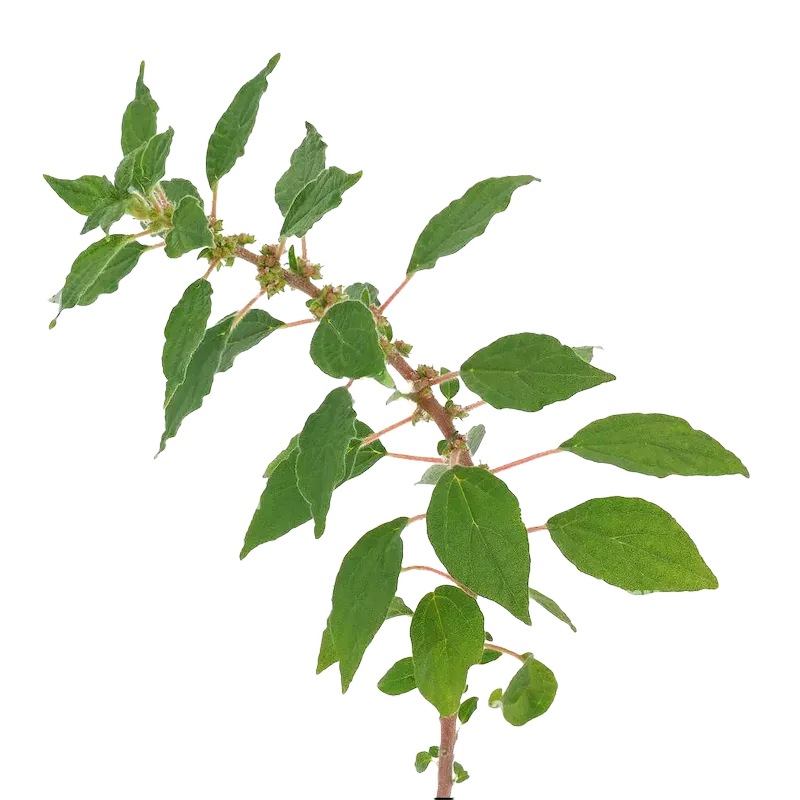
Pellitory-of-the-Wall, scientifically known as Parietaria officinalis, is a perennial herbaceous plant native to Europe and parts of Asia. It belongs to the Urticaceae family and is recognized for its traditional medicinal uses. Pellitory-of-the-Wall has a history of use in herbal medicine and is known for its potential therapeutic properties. نبات البليتاريا الجدارية، المعروف علميًا باسم Parietaria officinalis، هو نبات عشبي معمر موطنه الأصلي أوروبا وأجزاء من آسيا. ينتمي إلى الفصيلة القراصية (Urticaceae) ويُعرف بفوائده الطبية التقليدية. للبليتاريا الجدارية تاريخ طويل في الطب العشبي، وهي معروفة بخصائصها العلاجية المحتملة.
Categoryالفئة
• Potential diuretic
• Potential anti-inflammatory
• Traditional use for urinary and respiratory support• مدر محتمل للبول
• مضاد محتمل للالتهابات
• الاستخدام التقليدي لدعم الجهاز البولي والتنفسي
Habitatالموطن
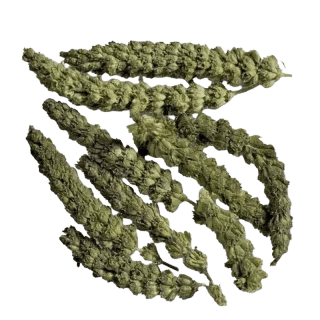
Pellitory-of-the-Wall is typically found in rocky or urban habitats, often growing on walls and in crevices. It is well-adapted to various soil types and is harvested for its aerial parts, particularly the leaves. The leaves are known for their potential medicinal benefits. Pellitory-of-the-Wall has been used in traditional medicine for various health applications.يُوجد نبات بيليتوري الجداري عادةً في البيئات الصخرية أو الحضرية، وغالبًا ما ينمو على الجدران وفي الشقوق. وهو مُتأقلم جيدًا مع أنواع التربة المختلفة، ويُحصد لأجزائه الهوائية، وخاصةً أوراقه. تُعرف الأوراق بفوائدها الطبية المُحتملة. وقد استُخدم نبات بيليتوري الجداري في الطب التقليدي لأغراض صحية مُتعددة.
Parts usedالأجزاء المستخدمة
• Aerial parts (particularly leaves) • الأجزاء الهوائية (وخاصة الأوراق)
Key constituentsالمكوّنات الفعّالة
• Flavonoids (aerial parts): quercetin and kaempferol glycosides (e.g., rutin/isoquercitrin/quercitrin-type; astragalin-type)
• Phenolic acids: caffeoylmalic acid (noted marker), plus p‑coumaric acid, ferulic acid, isoferulic acid; gallic acid also reported
• Mucilage / polysaccharides: polysaccharide-rich mucilage fraction
• Tannins: tannin/polyphenol fraction reported in extracts
• Mineral salts: potassium nitrate (often cited among constituents)
• Pollen proteins (relevant for allergy, *P. judaica*): Par j 1 and Par j 2 major allergens (lipid transfer proteins)• الفلافونويدات (الأجزاء الهوائية): جليكوسيدات الكيرسيتين والكامفيرول (مثل الروتين/إيزوكيرسيترين/كيرسيترين؛ نوع أستراغالين)
• الأحماض الفينولية: حمض الكافويل ماليك (علامة مميزة)، بالإضافة إلى حمض الكوماريك، وحمض الفيروليك، وحمض الأيزوفيروليك؛ كما تم الإبلاغ عن حمض الغاليك
• الصمغ/السكريات المتعددة: جزء الصمغ الغني بالسكريات المتعددة
• التانينات: تم الإبلاغ عن جزء التانين/البوليفينول في المستخلصات
• الأملاح المعدنية: نترات البوتاسيوم (غالباً ما يتم ذكرها بين المكونات)
• بروتينات حبوب اللقاح (ذات صلة بالحساسية، *P. judaica*): Par j 1 وPar j 2 مسببات الحساسية الرئيسية (بروتينات نقل الدهون)
Researchالأبحاث
Research on Pellitory-of-the-Wall has primarily focused on its key constituents, including flavonoids, and its potential diuretic, anti-inflammatory, urinary, and respiratory support properties. It is traditionally used for these purposes and has been studied for its therapeutic effects. ركزت الأبحاث على نبات بيليتوري أوف ذا وول بشكل أساسي على مكوناته الرئيسية، بما في ذلك الفلافونويدات، وخصائصه المحتملة كمدر للبول، ومضاد للالتهابات، وداعم للجهاز البولي والتنفسي. ويُستخدم تقليديًا لهذه الأغراض، وقد دُرست آثاره العلاجية.
Traditional useالاستخدام التقليدي
Pellitory-of-the-Wall is used in traditional herbal medicine, where its aerial parts, particularly the leaves, are employed for various health purposes, including urinary and respiratory support. It can be prepared as herbal infusions or used in traditional remedies. يُستخدم نبات "بيليتوري أوف ذا وول" في الطب العشبي التقليدي، حيث تُستخدم أجزاؤه الهوائية، وخاصة الأوراق، لأغراض صحية متنوعة، بما في ذلك دعم الجهاز البولي والتنفسي. ويمكن تحضيره على شكل مشروبات عشبية أو استخدامه في العلاجات التقليدية.
Current useالاستخدام الحالي
The aerial parts of Pellitory-of-the-Wall, especially the leaves, are the primary parts used for their potential medicinal properties. They can be processed to create herbal infusions, decoctions, or used in traditional remedies for urinary and respiratory support. تُعدّ الأجزاء الهوائية من نبات بيليتوري أوف ذا وول، وخاصة الأوراق، الأجزاء الأساسية المستخدمة لخصائصها الطبية المحتملة. ويمكن معالجتها لصنع مشروبات عشبية أو مغليّات، أو استخدامها في العلاجات التقليدية لدعم صحة المسالك البولية والجهاز التنفسي.
Preparationsالتحضيرات
Decoction, Infusionمغلي, منقوع
Used for these conditionsيُستخدم لهذه الحالات
Adult dosageجرعة البالغين
Dosage recommendations for Pellitory-of-the-Wall may vary depending on the intended use and the specific product or remedy. It is typically used in appropriate quantities for urinary and respiratory support. Consult with a qualified herbalist or healthcare provider for guidance on therapeutic dosages. قد تختلف توصيات جرعات عشبة بيليتوري أوف ذا وول تبعًا للاستخدام المقصود والمنتج أو العلاج المحدد. تُستخدم عادةً بكميات مناسبة لدعم وظائف الجهاز البولي والتنفسي. استشر أخصائي أعشاب مؤهلًا أو مقدم رعاية صحية للحصول على إرشادات بشأن الجرعات العلاجية.
Child dosageجرعة الأطفال
Dosage recommendations for Pellitory-of-the-Wall may vary depending on the intended use and the specific product or remedy. It is typically used in appropriate quantities for urinary and respiratory support. Consult with a qualified herbalist or healthcare provider for guidance on dosages and usage.قد تختلف توصيات جرعات عشبة بيليتوري أوف ذا وول تبعًا للاستخدام المقصود والمنتج أو العلاج المحدد. تُستخدم عادةً بكميات مناسبة لدعم وظائف الجهاز البولي والتنفسي. استشر أخصائي أعشاب مؤهلًا أو مقدم رعاية صحية للحصول على إرشادات حول الجرعات وطريقة الاستخدام.
Cautionتحذيرات
Parietaria (pellitory-of-the-wall) pollen is one of the most significant airborne allergens in Mediterranean and temperate regions and a common cause of allergic rhinitis, conjunctivitis and asthma. People allergic or sensitized to Parietaria pollen should avoid this herb, as it may trigger sneezing, itching, breathing difficulty or other allergic reactions. Handle and use with caution if you have pollen allergies or asthma.حبوب لقاح نبات حشيشة الزجاج (Parietaria) من أهم مسببات الحساسية المحمولة جوًا في مناطق البحر المتوسط والمناطق المعتدلة، وسبب شائع لالتهاب الأنف التحسسي والتهاب الملتحمة والربو. على المصابين بالحساسية أو التحسس تجاه لقاح Parietaria تجنّب هذه العشبة لأنها قد تُحدث العطاس والحكة وصعوبة التنفس أو تفاعلات تحسسية أخرى. يُستخدم ويُتعامل معه بحذر لدى من يعانون من حساسية اللقاح أو الربو.