
Introductionمقدّمة
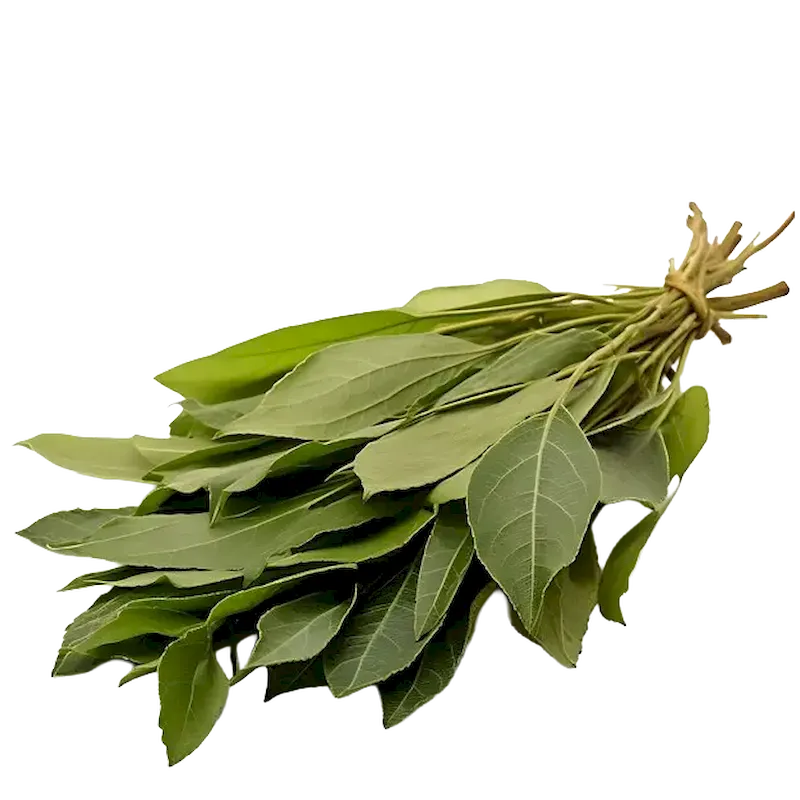
Maté, scientifically known as Ilex paraguariensis, is an evergreen shrub native to South America, particularly in regions like Argentina, Brazil, and Paraguay. It is renowned for its leaves, which are used to prepare a traditional and popular beverage known as yerba maté. Maté has a rich cultural history and is appreciated for its potential health benefits.المتة، واسمها العلمي Ilex paraguariensis، شجيرة دائمة الخضرة موطنها الأصلي أمريكا الجنوبية، وخاصة في مناطق مثل الأرجنتين والبرازيل وباراغواي. تشتهر المتة بأوراقها التي تُستخدم في تحضير مشروب تقليدي شهير يُعرف باسم يربا متة. للمتة تاريخ ثقافي عريق، وتُقدّر لفوائدها الصحية المحتملة.
Categoryالفئة
• Potential stimulant (due to caffeine)
• Potential antioxidant
• Traditional use for energy and focus• منبه محتمل (بسبب الكافيين)
• مضاد أكسدة محتمل
• الاستخدام التقليدي للطاقة والتركيز
Habitatالموطن
Maté is primarily cultivated in South American countries, where it thrives in subtropical climates. It is a significant cash crop in regions like Argentina and is also grown in other parts of the world. The leaves of the maté plant are harvested and dried for consumption. Maté contains various phytochemicals, including xanthines (e.g., caffeine), polyphenols, and vitamins. يُزرع المتة بشكل أساسي في دول أمريكا الجنوبية، حيث يزدهر في المناخات شبه الاستوائية. ويُعدّ محصولًا نقديًا هامًا في مناطق مثل الأرجنتين، كما يُزرع في أجزاء أخرى من العالم. تُقطف أوراق نبات المتة وتُجفف للاستهلاك. تحتوي المتة على العديد من المواد الكيميائية النباتية، بما في ذلك الزانثينات (مثل الكافيين)، والبوليفينولات، والفيتامينات.
Parts usedالأجزاء المستخدمة
• Leaves
• Stems• الأوراق
• السيقان
Key constituentsالمكوّنات الفعّالة
• Caffeine (0.7-1.7%, methylxanthine)
• Polyphenols (chlorogenic acid, quinic acid derivatives)
• Saponins (matesaponins 1-4)
• Xanthines (theobromine, theophylline)
• Flavonoids (quercetin, kaempferol, rutin)
• Vitamins (vitamin C, B1, B2)
• Minerals (potassium, magnesium, manganese)
• Amino acids• الكافيين (0.7-1.7%، ميثيل زانثين)
• البوليفينولات (حمض الكلوروجينيك، مشتقات حمض الكينيك)
• الصابونينات (ماتسابونين 1-4)
• الزانثينات (ثيوبرومين، ثيوفيلين)
• الفلافونويدات (كيرسيتين، كامفيرول، روتين)
• الفيتامينات (فيتامين ج، ب1، ب2)
• المعادن (بوتاسيوم، مغنيسيوم، منغنيز)
• الأحماض الأمينية
Researchالأبحاث
Research on Maté has focused on its key constituents, including caffeine and polyphenols, and their potential stimulant and antioxidant effects. It is traditionally used to promote alertness and energy. Maté has a long history of consumption in South America and is often enjoyed as a beverage. ركزت الأبحاث على مشروب المتة على مكوناته الرئيسية، بما في ذلك الكافيين والبوليفينولات، وتأثيراتها المحتملة كمنشطات ومضادات للأكسدة. يُستخدم المتة تقليديًا لتعزيز اليقظة والطاقة. وله تاريخ طويل من الاستهلاك في أمريكا الجنوبية، ويُستمتع به غالبًا كمشروب.
Published researchأبحاث منشورة
↗ Effect of Yerba Mate (Ilex paraguariensis) on Lipid Levels: A Systematic Review and Meta-Analysis↗ The Acute Ingestion of Yerba Mate (Ilex paraguariensis) Infusion Does Not Modify Endothelial Function, Hemodynamics, or Heart Rate Variability: A Randomized Crossover Clinical Trial↗ A Randomized Crossover Intervention Study on the Effect a Standardized Maté Extract (Ilex paraguariensis A. St.-Hil.) in Men Predisposed to Cardiovascular RiskTraditional useالاستخدام التقليدي
Maté has a rich cultural and traditional history of use in South America, where it is consumed as a brewed beverage. It is known for its potential to provide energy and focus, making it a popular choice for social gatherings and daily life. The dried leaves and stems are used to prepare yerba maté.يتمتع المتة بتاريخ ثقافي وتراثي عريق في أمريكا الجنوبية، حيث يُستهلك كمشروب مُخمّر. ويُعرف بقدرته على منح الطاقة والتركيز، مما يجعله خيارًا شائعًا في التجمعات الاجتماعية والحياة اليومية. تُستخدم الأوراق والسيقان المجففة لتحضير المتة.
Current useالاستخدام الحالي
The leaves and stems of the maté plant are the primary parts used for brewing the traditional beverage known as yerba maté. It can also be found in various commercial forms, including loose leaf and tea bags. تُعدّ أوراق وسيقان نبات المتة الأجزاء الأساسية المستخدمة في تحضير المشروب التقليدي المعروف باسم يربا متة. كما يتوفر أيضاً بأشكال تجارية متنوعة، بما في ذلك أوراق الشاي السائبة وأكياس الشاي.
Preparationsالتحضيرات
Teaشاي
Used for these conditionsيُستخدم لهذه الحالات
Adult dosageجرعة البالغين
Dosage recommendations for Maté can vary widely based on personal preference and tolerance to caffeine. The strength and amount consumed depend on individual taste and desired effects. Some people may prefer a mild brew, while others enjoy a stronger infusion. It is essential to be mindful of caffeine content and its potential side effects.تختلف توصيات جرعات المتة اختلافًا كبيرًا بناءً على التفضيلات الشخصية ومدى تحمل الكافيين. وتعتمد قوة وكمية المشروب المستهلك على المذاق الشخصي والتأثيرات المرغوبة. قد يفضل البعض مشروبًا خفيفًا، بينما يستمتع آخرون بمشروب أقوى. من الضروري الانتباه إلى محتوى الكافيين وآثاره الجانبية المحتملة.
Child dosageجرعة الأطفال
Dosage recommendations for Maté can vary based on individual preferences. It is typically prepared as yerba maté, where the dried leaves and stems are steeped in hot water. The strength and amount consumed depend on personal taste. For children and those sensitive to caffeine, it is advisable to start with a weaker brew and adjust as needed. تختلف توصيات جرعة المتة حسب التفضيلات الشخصية. تُحضّر عادةً على طريقة يربا متة، حيث تُنقع الأوراق والسيقان المجففة في الماء الساخن. وتعتمد قوة المشروب وكميته على الذوق الشخصي. يُنصح الأطفال ومن لديهم حساسية للكافيين بالبدء بمشروب خفيف ثم تعديل الكمية حسب الحاجة.
Cautionتحذيرات
Maté contains caffeine; use in moderation. Drinking maté (or any beverage) very hot is associated with an increased risk of esophageal and oral cancer — consume warm, not scalding. Limit or avoid in pregnancy and breastfeeding (caffeine), in heart arrhythmias/hypertension, anxiety, and when taking stimulant or MAOI medications. Excess caffeine can cause insomnia, jitteriness and palpitations.يحتوي المتة على الكافيين؛ يُتناول باعتدال. ويرتبط شرب المتة (أو أي مشروب) وهو شديد السخونة بزيادة خطر سرطان المريء والفم — يُشرب دافئاً لا حارقاً. يُقلّل أو يُتجنّب أثناء الحمل والرضاعة (الكافيين)، وفي اضطراب نظم القلب/ارتفاع الضغط والقلق وعند تناول المنبهات أو مثبطات أكسيداز أحادي الأمين. وقد يسبب الإفراط في الكافيين أرقاً وتوتراً وخفقاناً.


