Introductionمقدّمة
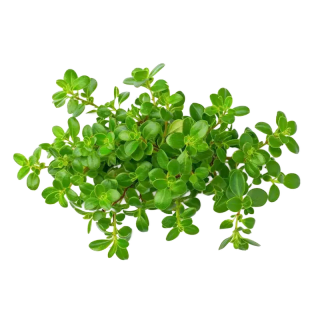
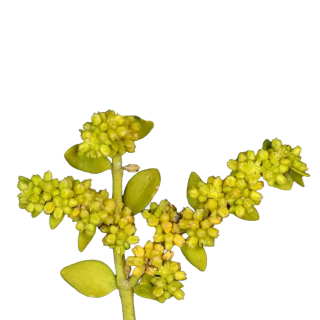
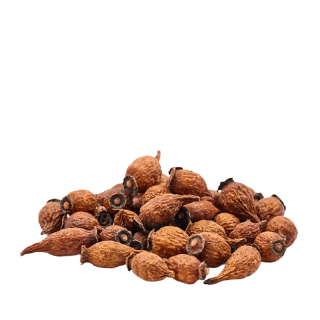
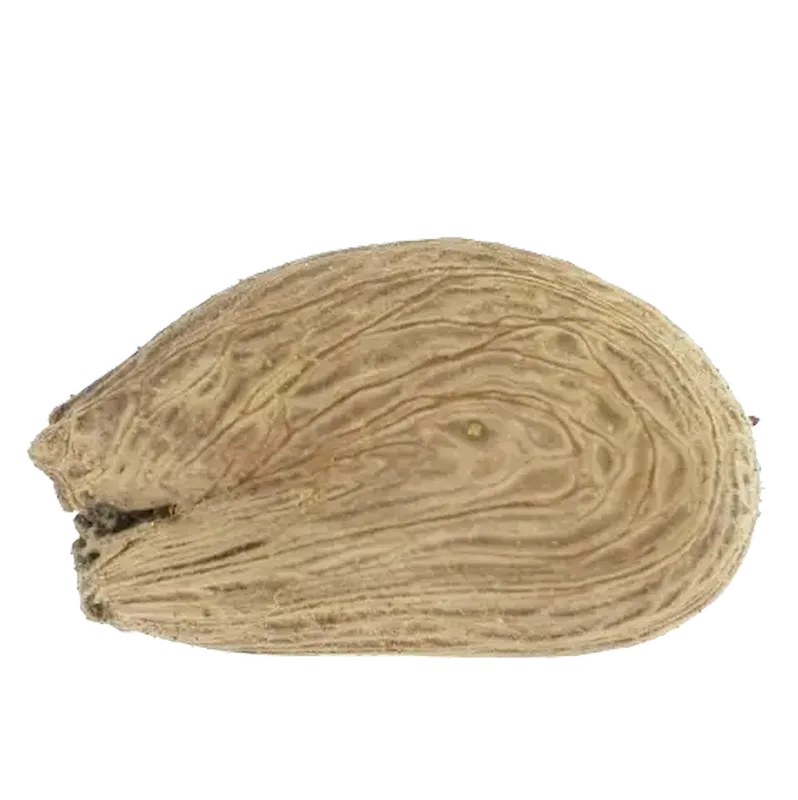
Pareira, scientifically known as Chondrodendron tomentosum, is a woody vine native to tropical South America. It is also known as Velvet Leaf and is part of the Menispermaceae family. Pareira has a history of traditional use in herbal medicine for its potential medicinal properties, particularly as a diuretic and for urinary tract health.الباريرا، واسمها العلمي Chondrodendron tomentosum، هي نبتة متسلقة خشبية موطنها الأصلي أمريكا الجنوبية الاستوائية. تُعرف أيضاً باسم "الورقة المخملية" وهي جزء من عائلة Menispermaceae. للباريرا تاريخ طويل من الاستخدام التقليدي في الطب العشبي لخصائصها الطبية المحتملة، وخاصة كمدر للبول ولصحة المسالك البولية.
Categoryالفئة
• Traditional use as a diuretic and for urinary tract health
• Limited modern research
• Potential anti-inflammatory and analgesic effects• الاستخدام التقليدي كمدر للبول ولصحة المسالك البولية
• أبحاث حديثة محدودة
• تأثيرات محتملة مضادة للالتهابات ومسكنة للألم
Habitatالموطن
Pareira vines are typically found in tropical rainforests and prefer humid environments. It is not commonly cultivated but is wild-harvested for its potential therapeutic benefits. The root and stem of Pareira contain various constituents, including alkaloids and tannins, which contribute to its traditional uses. تنمو كروم الباريرا عادةً في الغابات الاستوائية المطيرة وتفضل البيئات الرطبة. لا تُزرع على نطاق واسع، بل تُجمع من البرية لفوائدها العلاجية المحتملة. يحتوي جذر وساق الباريرا على مكونات متنوعة، بما في ذلك القلويدات والتانينات، التي تُسهم في استخداماتها التقليدية.
Parts usedالأجزاء المستخدمة
• Root
• Stem• الجذر
• الساق
Key constituentsالمكوّنات الفعّالة
• Tubocurarine (bisbenzylisoquinoline alkaloid — primary active; neuromuscular blocking agent; ~1–2% root bark)
• Curarine (quaternary alkaloid — curare component; muscle relaxant)
• Chondrocurarine (alkaloid — neuromuscular blockade)
• Isochondrodendrine (bisbenzylisoquinoline — antimalarial, antibacterial)
• Bebeerine/pelosine (alkaloid — antimalarial, antiarrhythmic)
• Tannins (condensed tannins ~4–8% — astringent, antimicrobial)
• Resins (bitter resin complex — diuretic, urinary antiseptic)
• Phenolic acids (caffeic acid, ferulic acid — antioxidant)
• Flavonoids (quercetin, kaempferol — anti-inflammatory)
• Phytosterols (beta-sitosterol — anti-inflammatory)
• Starch (~10% root — structural)
• Minerals (calcium, potassium, magnesium — trace)• توبوكورارين (قلويد ثنائي بنزيل إيزوكينولين - المادة الفعالة الرئيسية؛ عامل حاصر عصبي عضلي؛ حوالي 1-2% من لحاء الجذر)
• كورارين (قلويد رباعي - مكون الكورار؛ مرخي للعضلات)
• كوندروكورارين (قلويد - حاصر عصبي عضلي)
• إيزوكوندروديندرين (ثنائي بنزيل إيزوكينولين - مضاد للملاريا، مضاد للبكتيريا)
• بيبيرين/بيلوسين (قلويد - مضاد للملاريا، مضاد لاضطراب النظم القلبي)
• التانينات (تانينات مكثفة حوالي 4-8% - قابضة، مضادة للميكروبات)
• الراتنجات (مركب راتنج مر - مدر للبول، مطهر للمسالك البولية)
• الأحماض الفينولية (حمض الكافيين، حمض الفيروليك - مضاد للأكسدة)
• الفلافونويدات (كيرسيتين، كامفيرول - مضاد للالتهابات)
• الفيتوستيرولات (بيتا سيتوستيرول - مضاد للالتهابات)
• النشا (حوالي 10% من الجذر - (بنيوي)
• معادن (كالسيوم، بوتاسيوم، مغنيسيوم - بكميات ضئيلة)
Researchالأبحاث
Research on Pareira has been limited, with a focus on its chemical constituents and traditional uses as a diuretic and for urinary tract health. It is traditionally valued for these purposes and is believed to have potential anti-inflammatory and analgesic effects. However, modern research on this herb is limited.الأبحاث حول نبات الباريرا محدودة، وتركز على مكوناته الكيميائية واستخداماته التقليدية كمدر للبول ولصحة المسالك البولية. ويُقدّر هذا النبات تقليديًا لهذه الأغراض، ويُعتقد أن له تأثيرات مضادة للالتهابات ومسكنة للألم. مع ذلك، فإن الأبحاث الحديثة حول هذا النبات محدودة.
Traditional useالاستخدام التقليدي
Pareira has a history of traditional use as a diuretic and for promoting urinary tract health. It is also believed to have potential anti-inflammatory and analgesic effects. The root and stem are the parts of the plant traditionally used for their therapeutic properties. لنبات الباريرا تاريخ طويل من الاستخدام التقليدي كمدر للبول ولتعزيز صحة المسالك البولية. ويُعتقد أيضاً أن له تأثيرات مضادة للالتهابات ومسكنة للألم. ويُستخدم الجذر والساق تقليدياً لخصائصهما العلاجية.
Current useالاستخدام الحالي
Pareira can be prepared as herbal infusions, tinctures, or used in traditional remedies. It is primarily used for its potential benefits in promoting healthy urinary function and as a diuretic. The root and stem are used for these purposes. يمكن تحضير نبات الباريرا على شكل مشروبات عشبية أو صبغات، أو استخدامه في العلاجات التقليدية. ويُستخدم بشكل أساسي لفوائده المحتملة في تعزيز صحة الجهاز البولي وكمدر للبول. ويُستخدم الجذر والساق لهذه الأغراض.
Preparationsالتحضيرات
Infusion, Tinctureخلاصة سائلة, منقوع
Used for these conditionsيُستخدم لهذه الحالات
Adult dosageجرعة البالغين
No safe self-administration dose can be given. Because of its curare-alkaloid content, pareira should be used only in standardised traditional preparations under the supervision of a qualified practitioner; do not exceed traditional low-dose decoction/tincture amounts.لا يمكن تحديد جرعة آمنة للاستخدام الذاتي. نظرًا لاحتوائه على قلويدات الكورار، يجب استخدام الباريرا فقط في مستحضرات تقليدية موحدة وتحت إشراف ممارس مؤهل؛ ولا تتجاوز الجرعات التقليدية المنخفضة من المغلي أو الصبغة.
Child dosageجرعة الأطفال
Dosages for Pareira can vary based on the intended use and the specific product or remedy used. There are no specific dosages for children, but it is generally considered safe when used in appropriate amounts. Consult with a qualified herbalist or healthcare provider for guidance on dosages.تختلف جرعات نبات الباريرا باختلاف الاستخدام المقصود والمنتج أو العلاج المستخدم. لا توجد جرعات محددة للأطفال، ولكن يُعتبر استخدامه آمنًا بشكل عام عند استخدامه بكميات مناسبة. يُنصح باستشارة أخصائي أعشاب مؤهل أو مقدم رعاية صحية للحصول على إرشادات بشأن الجرعات.
Cautionتحذيرات
Pareira root/stem contains potent curare-type alkaloids (tubocurarine, curarine, chondrocurarine) which are neuromuscular-blocking agents. It must not be used in high doses or by any parenteral route, and should be used only under qualified professional supervision. Avoid entirely in anyone taking muscle relaxants or undergoing anaesthesia, and in people with neuromuscular disorders (e.g. myasthenia gravis). Not for self-medication in children.يحتوي جذر وساق الباريرا على قلويدات قوية من نوع الكورار (توبوكورارين، كورارين، كوندروكورارين) وهي عوامل حاصرة للنقل العصبي العضلي. يجب عدم استخدامه بجرعات عالية أو عن طريق الحقن، ولا يُستخدم إلا تحت إشراف مختص مؤهل. يُمنع تمامًا لمن يتناولون مرخيات العضلات أو الخاضعين للتخدير، ولمرضى الاضطرابات العصبية العضلية (مثل الوهن العضلي الوبيل). غير مخصص للتطبيب الذاتي عند الأطفال.
Pregnancy & nursingالحمل والرضاعة
Avoid during pregnancy and breastfeeding. Not recommended due to potent alkaloid (curare-type) content and insufficient safety data.يُمنع استخدامه أثناء الحمل والرضاعة. لا يُنصح به بسبب احتوائه على قلويدات قوية من نوع الكورار ونقص بيانات الأمان.