Introductionمقدّمة
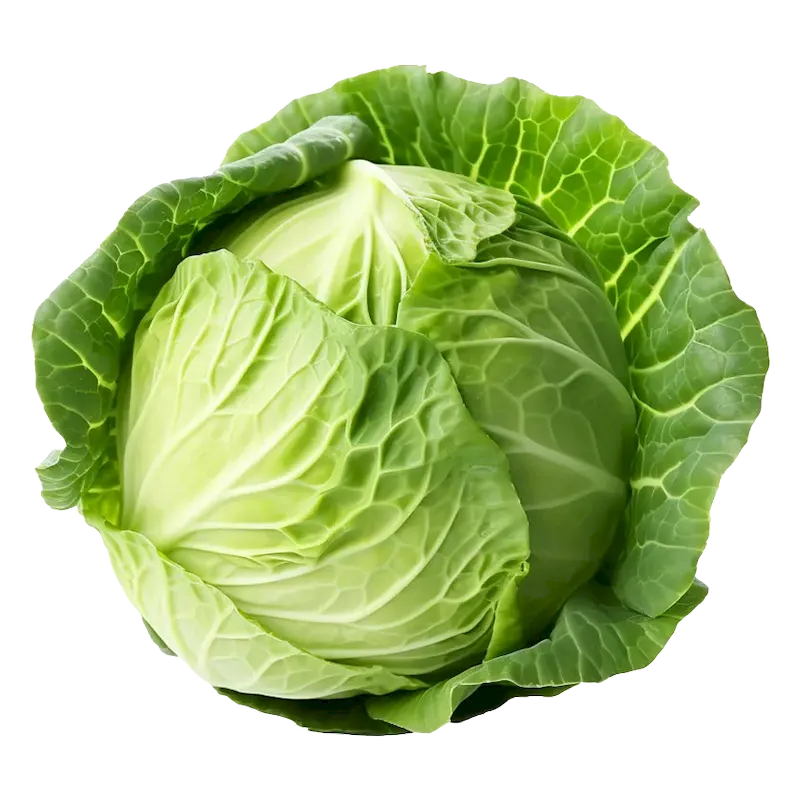
Cabbage, scientifically known as Brassica oleracea var. capitata, is a leafy green vegetable that belongs to the Brassicaceae family. It is renowned for its round or oval-shaped heads of leaves and is widely cultivated and consumed worldwide for its culinary and nutritional value. الكرنب، المعروف علمياً باسم Brassica oleracea var. capitata، هو نوع من الخضراوات الورقية الخضراء ينتمي إلى الفصيلة الكرنبية. يشتهر بأوراقه المستديرة أو البيضاوية الشكل، ويُزرع ويُستهلك على نطاق واسع في جميع أنحاء العالم لقيمته الغذائية والطهوية.
Categoryالفئة
• Nutrient-rich
• Potential antioxidant
• Traditional use for digestive health• غني بالعناصر الغذائية
• مضاد أكسدة محتمل
• استخدام تقليدي لصحة الجهاز الهضمي
Habitatالموطن
Cabbage is cultivated in various regions globally and thrives in temperate climates. It is grown for its edible leaves, which are rich in vitamins, minerals, and phytochemicals. Cabbage is valued for its versatility in cooking and its potential health benefits.يُزرع الكرنب في مناطق مختلفة حول العالم، وينمو بكثرة في المناخات المعتدلة. يُزرع الكرنب لأوراقه الصالحة للأكل، الغنية بالفيتامينات والمعادن والمواد الكيميائية النباتية. ويُقدّر الكرنب لتعدد استخداماته في الطهي وفوائده الصحية المحتملة.
Parts usedالأجزاء المستخدمة
• Leaves • أوراق
Key constituentsالمكوّنات الفعّالة
• Glucosinolates (sinigrin, glucobrassicin ~0.3–1.0% — primary actives; chemoprotective via isothiocyanate metabolites)
• Sulforaphane (isothiocyanate, metabolite from glucoraphanin — anticancer, anti-inflammatory, antioxidant)
• Vitamins (vitamin C ~51mg/100g; vitamin K; folate; vitamin B6 — nutritive, antioxidant)
• Minerals (potassium, calcium, manganese, iron — nutritive)
• Anthocyanins (red cabbage: cyanidin-3-glucoside — antioxidant, anti-inflammatory)
• Flavonoids (quercetin, kaempferol — antioxidant, anti-inflammatory)
• Fiber (~2.5% — digestive, prebiotic)
• Phenolic acids (caffeic acid, sinapic acid — antioxidant)• الجلوكوزينولات (سينغرين، غلوكوبراسيسين ~0.3-1.0% - المكونات النشطة الرئيسية؛ حماية كيميائية عبر مستقلبات إيزوثيوسيانات)
• سلفورافان (إيزوثيوسيانات، مستقلب من غلوكورافانين - مضاد للسرطان، مضاد للالتهابات، مضاد للأكسدة)
• الفيتامينات (فيتامين ج ~51 ملغ/100 غ؛ فيتامين ك؛ حمض الفوليك؛ فيتامين ب6 - مغذي، مضاد للأكسدة)
• المعادن (بوتاسيوم، كالسيوم، منغنيز، حديد - مغذية)
• الأنثوسيانين (الملفوف الأحمر: سيانيدين-3-غلوكوزيد - مضاد للأكسدة، مضاد للالتهابات)
• الفلافونويدات (كيرسيتين، كامفيرول - مضاد للأكسدة، مضاد للالتهابات)
• الألياف (~2.5% - هضمية، بريبيوتيك)
• الأحماض الفينولية (حمض الكافيين، حمض السينابينيك - مضاد للأكسدة)
Researchالأبحاث
While research primarily focuses on the nutritional content of cabbage, it is known for its potential antioxidant properties and traditional use for digestive health. It is commonly consumed in various culinary dishes. على الرغم من أن الأبحاث تركز بشكل أساسي على القيمة الغذائية للكرنب، إلا أنه معروف بخصائصه المضادة للأكسدة واستخدامه التقليدي في تحسين صحة الجهاز الهضمي. ويُستهلك عادةً في العديد من الأطباق.
Traditional useالاستخدام التقليدي
Cabbage is used extensively in cooking, such as salads, stir-fries, soups, and fermented products like sauerkraut and kimchi. It is appreciated for its nutritional value and versatility in the kitchen. يُستخدم الكرنب على نطاق واسع في الطبخ، مثل السلطات، والمقليات، والشوربات، والمنتجات المخمرة مثل مخلل الملفوف والكيمتشي. ويُقدّر لقيمته الغذائية وتعدد استخداماته في المطبخ.
Current useالاستخدام الحالي
Cabbage leaves can be prepared in various culinary dishes, consumed fresh in salads, or fermented to make sauerkraut or kimchi. It is primarily valued for its culinary uses and nutritional benefits. يمكن تحضير أوراق الكرنب في أطباق طهي متنوعة، أو تناولها طازجة في السلطات، أو تخميرها لصنع مخلل الملفوف أو الكيمتشي. وتُقدّر قيمتها في المقام الأول لاستخداماتها في الطهي وفوائدها الغذائية.
Preparationsالتحضيرات
Culinaryطهي
Used for these conditionsيُستخدم لهذه الحالات
Adult dosageجرعة البالغين
Dosage recommendations for cabbage as a food ingredient can vary widely based on culinary preferences and regional recipes. It can be consumed regularly as part of a balanced diet for its nutritional value.تختلف توصيات الجرعات الموصى بها للكرنب كمكون غذائي اختلافًا كبيرًا بناءً على التفضيلات الغذائية والوصفات الإقليمية. ويمكن تناوله بانتظام كجزء من نظام غذائي متوازن لما له من قيمة غذائية.
Child dosageجرعة الأطفال
Cabbage can be safely incorporated into children's diets as part of balanced meals. There are no specific dosage guidelines as it is primarily consumed as a food ingredient. يمكن إدخال الملفوف بأمان في النظام الغذائي للأطفال كجزء من وجبات متوازنة. لا توجد إرشادات محددة للجرعة لأنه يُستهلك بشكل أساسي كمكون غذائي.
Cautionتحذيرات
Cabbage is generally safe as a food. It is high in vitamin K, so people taking warfarin or other vitamin-K-antagonist anticoagulants should keep their intake consistent and inform their doctor, as large changes can affect blood-thinning control. As a goitrogenic (brassica) vegetable, very large raw amounts may affect thyroid function in people with hypothyroidism or iodine deficiency. Consult a healthcare provider before using in therapeutic amounts.يُعدّ الكرنب آمناً بشكل عام كغذاء. وهو غني بفيتامين ك، لذا ينبغي على من يتناولون الوارفارين أو مضادات التخثر المضادة لفيتامين ك الحفاظ على ثبات كميته وإبلاغ الطبيب، لأن التغيّرات الكبيرة قد تؤثر على ضبط تمييع الدم. وباعتباره من الخضراوات الصليبية المسببة لتضخم الغدة الدرقية، فإن الكميات النيئة الكبيرة جداً قد تؤثر على وظيفة الغدة الدرقية لدى المصابين بقصور الغدة أو نقص اليود. استشر مقدم رعاية صحية قبل استخدامه بكميات علاجية.