Introductionمقدّمة
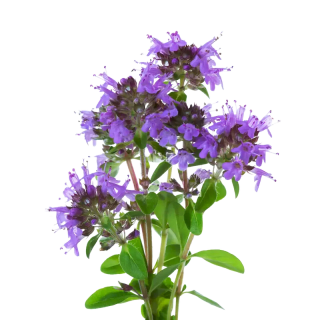
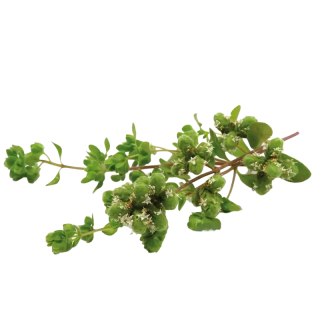
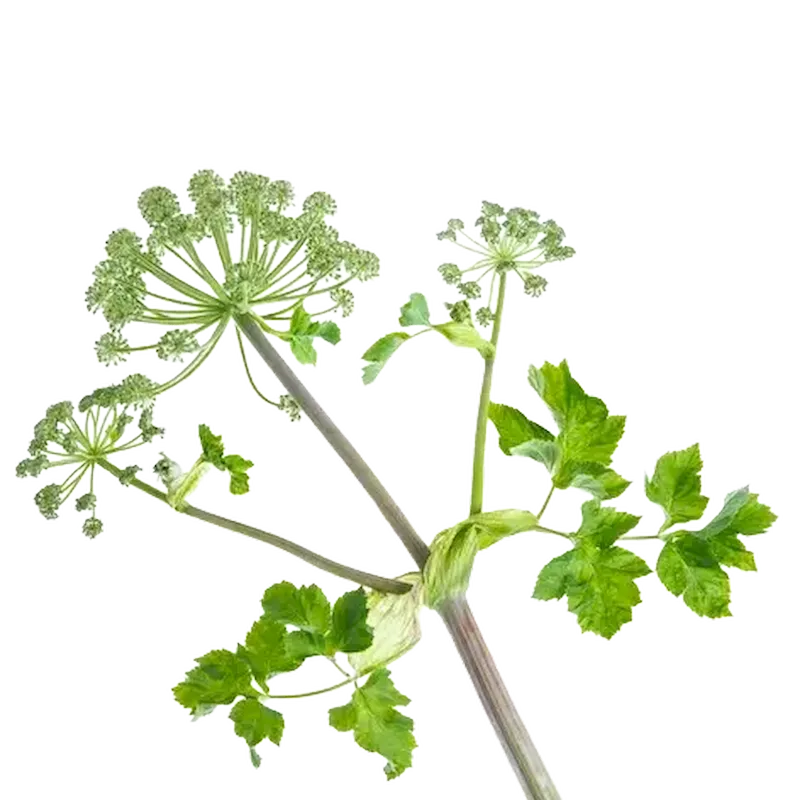
Angelica, scientifically known as Angelica archangelica, is a biennial or perennial herb native to Northern Europe. It is known for its tall, hollow stems, umbrella-like clusters of white or greenish-white flowers, and aromatic roots and seeds. Angelica has a long history of traditional use for various purposes. الأنجليكا، واسمها العلمي أنجليكا أرشانجليكا، عشبة ثنائية الحول أو معمرة موطنها شمال أوروبا. تشتهر بسيقانها الطويلة المجوفة، وعناقيدها الزهرية البيضاء أو البيضاء المخضرة التي تشبه المظلة، وجذورها وبذورها العطرية. وللأنجليكا تاريخ طويل من الاستخدام التقليدي لأغراض متنوعة.
Categoryالفئة
• Potential digestive aid
• Potential anti-inflammatory
• Potential expectorant
• Traditional use for various health concerns• مُساعد محتمل للهضم
• مُضاد محتمل للالتهابات
• مُقشع محتمل
• استخدام تقليدي لعلاج مشاكل صحية متنوعة
Habitatالموطن
Angelica is typically found in damp, marshy areas and is native to Northern European countries. It is also cultivated in gardens for its roots and seeds. The plant is known for its love of moisture and partial shade. تنمو نبتة أنجليكا عادةً في المناطق الرطبة والمستنقعية، وموطنها الأصلي دول شمال أوروبا. كما تُزرع في الحدائق من أجل جذورها وبذورها. وتُعرف هذه النبتة بحبها للرطوبة والظل الجزئي.
Parts usedالأجزاء المستخدمة
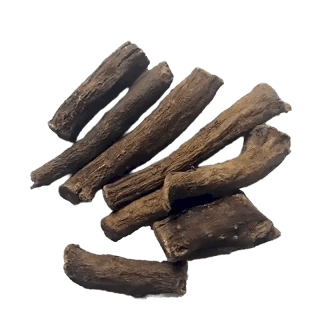
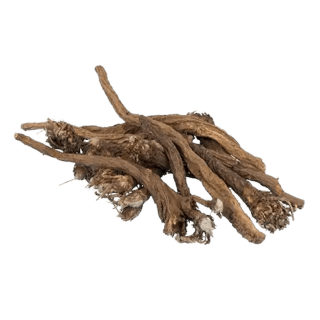
• Roots
• Stems
• Leaves
• Seeds• الجذور
• السيقان
• الأوراق
• البذور
Key constituentsالمكوّنات الفعّالة
• Coumarins (bergapten, xanthotoxin, osthole ~0.3–1.0% roots — antispasmodic, phototoxic)
• Volatile oils (alpha-pinene, limonene, beta-phellandrene ~0.3–1.5% — digestive, expectorant, antimicrobial)
• Angelic acid (ester — antispasmodic, sedative)
• Flavonoids (quercetin, rutin — antioxidant, anti-inflammatory)
• Phytosterols (beta-sitosterol — anti-inflammatory)
• Tannins (~3–5% — astringent, antimicrobial)
• Bitter principles (angelicin — digestive stimulant)
• Polysaccharides (immunomodulatory)
• Minerals (calcium, iron, potassium — nutritive)• الكومارين (برغابتين، زانثوتوكسين، أوستول ~0.3-1.0% من الجذور - مضاد للتشنج، مضاد للحساسية للضوء)
• الزيوت الطيارة (ألفا-بينين، ليمونين، بيتا-فيلاندرين ~0.3-1.5% - هضمية، مقشعة، مضادة للميكروبات)
• حمض الأنجيليك (إستر - مضاد للتشنج، مهدئ)
• الفلافونويدات (كيرسيتين، روتين - مضاد للأكسدة، مضاد للالتهابات)
• الفيتوستيرولات (بيتا-سيتوستيرول - مضاد للالتهابات)
• التانينات (~3-5% - قابضة، مضادة للميكروبات)
• المواد المرة (أنجيليسين - منشط للهضم)
• السكريات المتعددة (معدلة للمناعة)
• المعادن (الكالسيوم، الحديد، البوتاسيوم - مغذية)
Researchالأبحاث
Research on Angelica has primarily focused on its potential digestive, anti-inflammatory, and expectorant properties. It is traditionally used for digestive support and as a remedy for various health conditions. ركزت الأبحاث على نبات أنجليكا بشكل أساسي على خصائصه المحتملة في تحسين الهضم، ومكافحة الالتهابات، وطرد البلغم. ويُستخدم تقليدياً لدعم عملية الهضم وكعلاج لحالات صحية مختلفة.
Published researchأبحاث منشورة
↗ A parallel, randomized, double-blind, placebo-controlled trial (Angelica archangelica)↗ Understanding the phytochemistry and molecular insights (Angelica archangelica)↗ Antiviral effect of compounds derived from Angelica archangelica L. on Herpes simplex virus-1 and Coxsackievirus B3 infectionsTraditional useالاستخدام التقليدي
Traditionally, different parts of Angelica are used for various purposes. The roots are used for their potential medicinal benefits, while the stems, leaves, and seeds are used for culinary purposes. Angelica is known for its unique flavor and aroma.تُستخدم أجزاء مختلفة من نبات حشيشة الملاك تقليديًا لأغراض متنوعة. تُستخدم الجذور لفوائدها الطبية المحتملة، بينما تُستخدم السيقان والأوراق والبذور في الطهي. وتشتهر حشيشة الملاك بنكهتها ورائحتها المميزتين.
Current useالاستخدام الحالي
Angelica can be used in culinary dishes, herbal infusions (tea), and tinctures. It is traditionally used for digestive support, and the seeds are used in confectionery and liqueurs. يمكن استخدام نبات حشيشة الملاك في أطباق الطهي، والمشروبات العشبية (الشاي)، والصبغات. ويُستخدم تقليدياً لدعم الهضم، وتُستخدم بذوره في صناعة الحلويات والمشروبات الكحولية.
Preparationsالتحضيرات
Culinary, Infusion, Tea, Tincture, Whole (Fresh/Dried)خلاصة سائلة, شاي, طهي, كامل (طازج/مجفف), منقوع
Used for these conditionsيُستخدم لهذه الحالات
Adult dosageجرعة البالغين
Dosage recommendations for Angelica may vary based on the purpose and preparation form. It is generally used in appropriate quantities in cooking and herbal remedies. قد تختلف توصيات الجرعات لنبات أنجليكا باختلاف الغرض وطريقة التحضير. ويُستخدم عمومًا بكميات مناسبة في الطبخ والعلاجات العشبية.
Child dosageجرعة الأطفال
Dosages for Angelica may vary based on specific health conditions and culinary preferences. It's advisable to consult with a qualified herbalist or healthcare provider for guidance on dosages and usage. قد تختلف جرعات نبات أنجليكا باختلاف الحالات الصحية والتفضيلات الغذائية. يُنصح باستشارة أخصائي أعشاب مؤهل أو مقدم رعاية صحية للحصول على إرشادات حول الجرعات وطريقة الاستخدام.
Cautionتحذيرات
Angelica root contains furanocoumarins (bergapten, xanthotoxin) that can cause photosensitivity — avoid excessive sun or UV/tanning exposure while using it. It may increase the effect of anticoagulant/antiplatelet drugs (e.g., warfarin), raising bleeding risk. Avoid during pregnancy and breastfeeding, and consult a healthcare provider if using medicinally or if you have underlying health conditions.يحتوي جذر الأنجليكا على مركبات الفيورانوكومارين (البيرغابتين، الزانثوتوكسين) التي قد تسبب حساسية للضوء؛ لذا تجنّب التعرض المفرط للشمس أو الأشعة فوق البنفسجية/أجهزة التسمير أثناء استخدامه. وقد يزيد من تأثير أدوية منع تخثر الدم/مضادات الصفيحات (مثل الوارفارين) فيرفع خطر النزيف. يُتجنّب أثناء الحمل والرضاعة، واستشر مقدّم الرعاية الصحية عند الاستخدام الطبي أو وجود حالات صحية مزمنة.
Pregnancy & nursingالحمل والرضاعة
Avoid during Pregnancy/Nursingيمنع أثناء الحمل والرضاعة