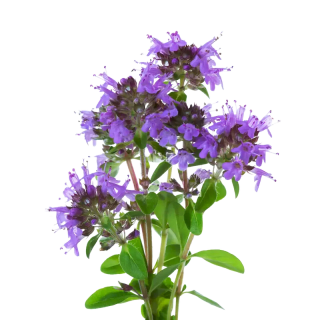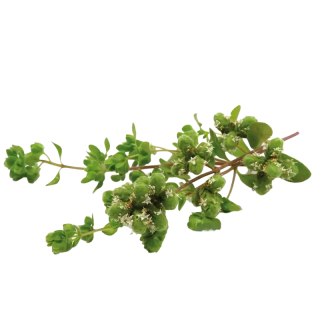
Introductionمقدّمة
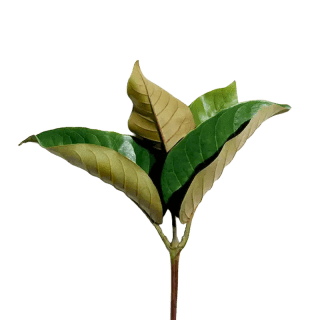
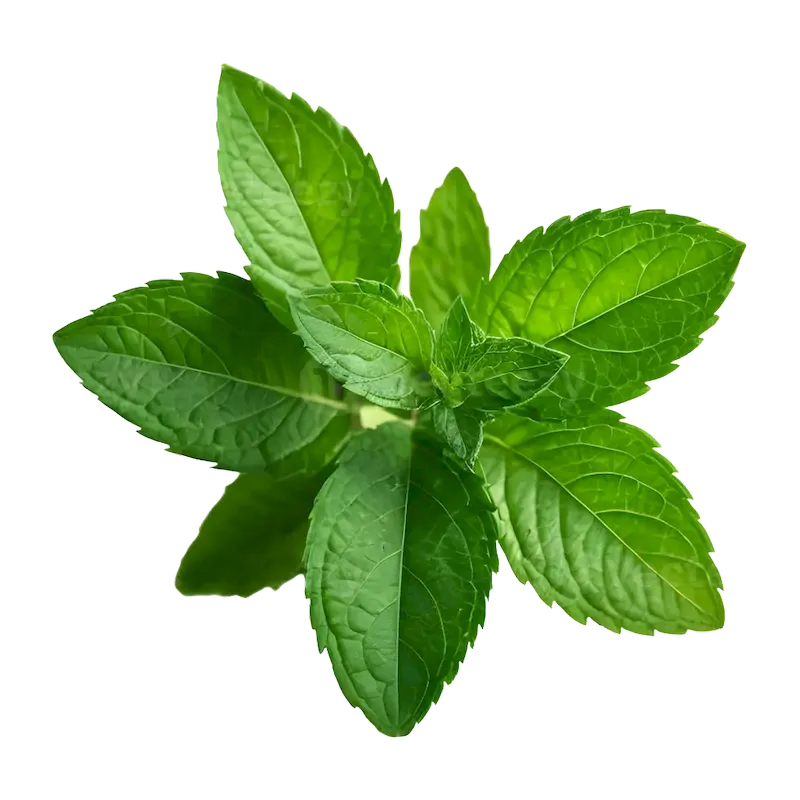
Korean Mint, scientifically known as Agastache rugosa, is a medicinal herb native to East Asia, known for its potential medicinal properties, particularly for its use in traditional medicine and herbal remedies for digestive and respiratory health. النعناع الكوري، المعروف علمياً باسم Agastache rugosa، هو عشب طبي موطنه شرق آسيا، ومعروف بخصائصه الطبية المحتملة، وخاصة لاستخدامه في الطب التقليدي والعلاجات العشبية لصحة الجهاز الهضمي والتنفسي.
Categoryالفئة
• Digestive aid
• Anti-inflammatory
• Antioxidant
• Respiratory support• مساعد للهضم
• مضاد للالتهابات
• مضاد للأكسدة
• داعم للجهاز التنفسي
Habitatالموطن
Native to East Asia, Korean Mint is cultivated in various regions with well-drained soils and sunny conditions. The leaves are highly valued for their aromatic and medicinal properties. موطن النعناع الكوري الأصلي هو شرق آسيا، ويُزرع في مناطق مختلفة ذات تربة جيدة التصريف وظروف مشمسة. وتُقدّر أوراقه كثيراً لخصائصها العطرية والطبية.
Parts usedالأجزاء المستخدمة
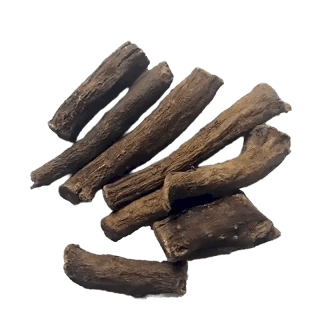
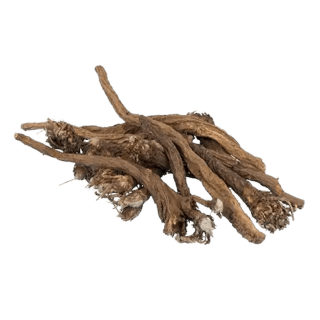
• Leaves
• Roots• الأوراق
• الجذور
Key constituentsالمكوّنات الفعّالة
• Essential oils (methylchavicol/estragole ~50–80% leaves — antimicrobial, antifungal, digestive)
• Flavonoids (acacetin, tilianin, apigenin — antioxidant, anti-inflammatory)
• Rosmarinic acid (phenolic ~1–2% — antioxidant, anti-inflammatory)
• Ursolic acid (triterpenoid — anti-inflammatory, antimicrobial)
• Oleanolic acid (triterpenoid — hepatoprotective, anti-inflammatory)
• Tannins (~3–6% — astringent, antimicrobial)
• Polyphenols (caffeic acid derivatives — antioxidant)
• Minerals (calcium, potassium, iron — nutritive)• زيوت عطرية (ميثيل شافيكول/إستراغول ~50-80% من الأوراق - مضاد للميكروبات، مضاد للفطريات، محسن للهضم)
• فلافونويدات (أسيتين، تيليانين، أبيجينين - مضاد للأكسدة، مضاد للالتهابات)
• حمض الروزمارينيك (فينولي ~1-2% - مضاد للأكسدة، مضاد للالتهابات)
• حمض الأورسوليك (ترايتيربينويد - مضاد للالتهابات، مضاد للميكروبات)
• حمض الأوليانوليك (ترايتيربينويد - واقٍ للكبد، مضاد للالتهابات)
• تانينات (~3-6% - قابض، مضاد للميكروبات)
• بوليفينولات (مشتقات حمض الكافيين - مضاد للأكسدة)
• معادن (كالسيوم، بوتاسيوم، حديد - مغذية)
Researchالأبحاث
Research supports its use for its digestive, anti-inflammatory, and respiratory support effects. Traditionally used in East Asian traditional medicine for various health purposes. تدعم الأبحاث استخداماته لفوائده في دعم الجهاز الهضمي، ومكافحة الالتهابات، والجهاز التنفسي. ويُستخدم تقليدياً في الطب الشعبي لشرق آسيا لأغراض صحية متنوعة.
Published researchأبحاث منشورة
↗ Agastache Species: A Comprehensive Review on Phytochemical Composition and Therapeutic Properties↗ Phytochemistry and bioactivity of aromatic and medicinal plants from the genus Agastache (Lamiaceae)↗ Changes in Human Electroencephalographic Activity in Response to Agastache rugosa Essential Oil ExposureTraditional useالاستخدام التقليدي
Traditionally used in East Asian traditional medicine, often in the form of herbal infusions or decoctions. The leaves and sometimes the roots are used for their medicinal properties.يُستخدم تقليدياً في الطب التقليدي لشرق آسيا، غالباً على شكل مشروبات عشبية أو مغلي. وتُستخدم الأوراق وأحياناً الجذور لخصائصها الطبية.
Current useالاستخدام الحالي
Leaves are used to make herbal infusions or decoctions for digestive and respiratory health. Roots are less commonly used in herbal formulations. تُستخدم الأوراق في تحضير مشروبات عشبية أو مغليّات لتحسين صحة الجهاز الهضمي والتنفسي. أما الجذور، فاستخدامها في التركيبات العشبية أقل شيوعاً.
Preparationsالتحضيرات
Decoction, Infusionمغلي, منقوع
Used for these conditionsيُستخدم لهذه الحالات
Adult dosageجرعة البالغين
Dosage recommendations may vary based on the purpose and preparation form. Consult with a traditional herbalist or healthcare provider for personalized guidance. قد تختلف توصيات الجرعات بناءً على الغرض وطريقة التحضير. استشر أخصائي أعشاب تقليدي أو مقدم رعاية صحية للحصول على إرشادات شخصية.
Child dosageجرعة الأطفال
Dosages may vary based on the specific condition and form of preparation. It's advisable to consult with a traditional herbalist or healthcare provider for guidance on dosages and usage. قد تختلف الجرعات باختلاف الحالة المرضية وطريقة التحضير. يُنصح باستشارة أخصائي أعشاب تقليدي أو مقدم رعاية صحية للحصول على إرشادات حول الجرعات وطريقة الاستخدام.
Cautionتحذيرات
Casual culinary/tea use is generally well tolerated, but the essential oil of some Agastache rugosa chemotypes is rich in estragole (methylchavicol), a compound regarded as genotoxic/carcinogenic. Avoid concentrated essential-oil products and prolonged high-dose use; do not use in pregnancy, breastfeeding, infants, or young children. Discontinue if allergy occurs.الاستخدام الغذائي العادي أو كشاي يُحتمل جيداً عموماً، لكن الزيت العطري لبعض أنماط النعناع الكوري غني بالإستراغول (ميثيل شافيكول) وهو مركب يُعدّ مُطفّراً/مُسرطناً. تجنّب المنتجات المركّزة من الزيت العطري والاستخدام المطوّل بجرعات عالية؛ ولا يُستخدم أثناء الحمل أو الرضاعة أو لدى الرضّع وصغار الأطفال. أوقف الاستخدام عند حدوث حساسية.
Pregnancy & nursingالحمل والرضاعة
Avoid during Pregnancy/Nursingيمنع أثناء الحمل والرضاعة