Introductionمقدّمة
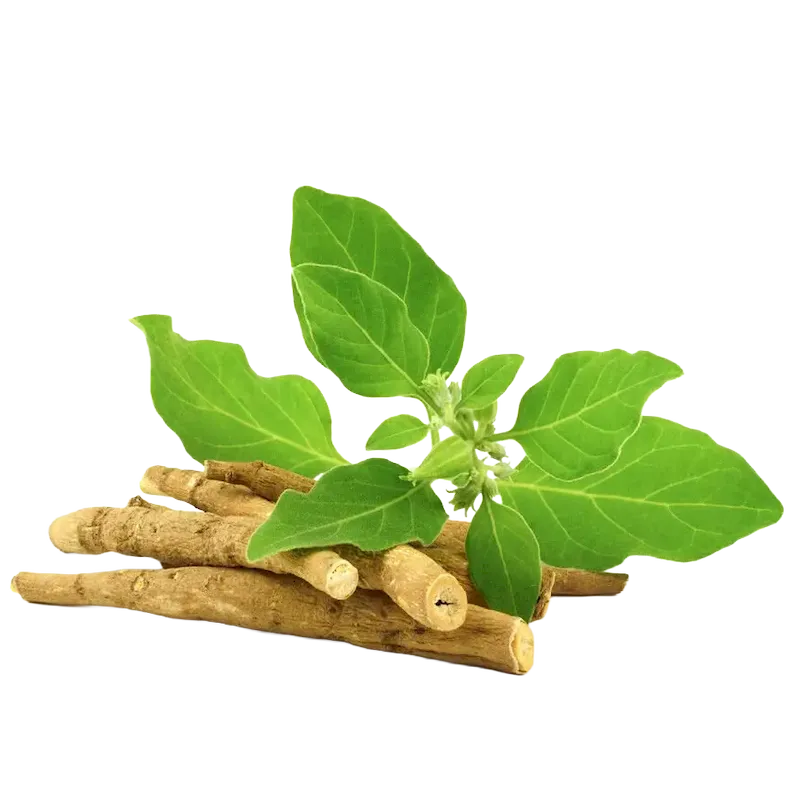
Winter Cherry, scientifically known as Withania somnifera, is a small shrub native to the dry regions of India, North Africa, and the Middle East. It belongs to the Solanaceae family and is well-regarded for its potential medicinal properties. Winter Cherry, also known as Ashwagandha, has a long history of use in traditional Ayurvedic medicine. نبات الكرز الشتوي، المعروف علميًا باسم Withania somnifera، هو شجيرة صغيرة موطنها المناطق الجافة في الهند وشمال إفريقيا والشرق الأوسط. ينتمي إلى الفصيلة الباذنجانية، ويُعرف بخصائصه الطبية الواعدة. للكرز الشتوي، المعروف أيضًا باسم الأشواغاندا، تاريخ طويل من الاستخدام في الطب الأيورفيدي التقليدي.
Categoryالفئة
• Adaptogenic
• Potential anxiolytic
• Traditional use for stress relief and vitality• مُكيّف
• مُضاد للقلق
• يُستخدم تقليديًا لتخفيف التوتر وزيادة الحيوية
Habitatالموطن
Winter Cherry is typically found in arid and semi-arid regions and is well-adapted to dry conditions. It is cultivated for its roots and leaves, which are used for their potential therapeutic properties. Winter Cherry is traditionally used in Ayurveda for its adaptogenic and rejuvenating effects.ينمو الكرز الشتوي عادةً في المناطق القاحلة وشبه القاحلة، وهو يتكيف جيدًا مع الظروف الجافة. يُزرع من أجل جذوره وأوراقه، التي تُستخدم لخصائصها العلاجية المحتملة. يُستخدم الكرز الشتوي تقليديًا في الطب الأيورفيدي لتأثيراته المُكيّفة والمُجددة.
Parts usedالأجزاء المستخدمة
• Roots
• Leaves• الجذور
• الأوراق
Key constituentsالمكوّنات الفعّالة
• Withanolides (steroidal lactones; main actives): withaferin A, withanolide A, withanolide D, withanone (plus many related withanolides)
• Withanolide glycosides (glycowithanolides): withanosides (e.g., withanosides I–VII) and sitoindosides (e.g., VII–X)
• Alkaloids (minor–moderate): withanine, somniferine, somnine, anaferine, anahygrine, cuscohygrine; tropine/pseudotropine-type alkaloids also reported
• Sterols: β‑sitosterol (and sterol glycosides)
• Withanamides (notable in fruits/leaves): withanamides A–I
• Fatty acids (fruit seed oil fraction): linoleic acid, palmitic acid, oleic acid (reported in fruit oils)• ويثانوليدات (لاكتونات ستيرويدية؛ المواد الفعالة الرئيسية): ويذافيرين أ، ويثانوليد أ، ويثانوليد د، ويثانون (بالإضافة إلى العديد من الويثانوليدات ذات الصلة)
• جليكوسيدات الويثانوليد (جليكوويثانوليدات): ويثانوسيدات (مثل ويثانوسيدات من الأول إلى السابع) وسيتوإندوسيدات (مثل من السابع إلى العاشر)
• قلويدات (بكميات قليلة إلى متوسطة): ويثانين، سومنيفيرين، سومنين، أنافيرين، أناهيغرين، كوسكوهيغرين؛ كما تم الإبلاغ عن قلويدات من نوع تروبين/سودوتروبين
• ستيرولات: بيتا-سيتوستيرول (وجليكوسيدات الستيرول)
• ويثاناميدات (ملحوظة في الثمار/الأوراق): ويثاناميدات من أ إلى الأول
• أحماض دهنية (جزء زيت بذور الفاكهة): حمض اللينوليك، حمض البالميتيك، حمض الأوليك (تم الإبلاغ عنها في زيوت الفاكهة)
Researchالأبحاث
Research on Winter Cherry has focused on its key constituents, including withanolides and withanine, and its potential adaptogenic, anxiolytic, and stress-relief properties. It is traditionally used for these purposes and has been studied for its therapeutic effects. ركزت الأبحاث على الكرز الشتوي على مكوناته الرئيسية، بما في ذلك الويثانوليدات والويثانين، وخصائصه المحتملة في التكيف، ومضادات القلق، وتخفيف التوتر. ويُستخدم تقليديًا لهذه الأغراض، وقد دُرست آثاره العلاجية.
Published researchأبحاث منشورة
↗ Effect of Ashwagandha (Withania somnifera) extract on sleep: A systematic review and meta-analysis↗ Effects of Ashwagandha (Withania Somnifera) on stress and anxiety: A systematic review and meta-analysis↗ Effects of ashwagandha (Withania somnifera) on mental health in adults: A systematic review and dose-response meta-analysis of randomized controlled trialsTraditional useالاستخدام التقليدي
Winter Cherry is primarily used in traditional herbal medicine, especially in Ayurveda. The roots and leaves of the Withania somnifera plant are employed for their potential health benefits. It can be prepared as herbal decoctions, tinctures, or used in traditional remedies. يُستخدم الكرز الشتوي بشكل أساسي في الطب العشبي التقليدي، وخاصة في الأيورفيدا. تُستخدم جذور وأوراق نبات الأشواغاندا (Withania somnifera) لفوائدها الصحية المحتملة. ويمكن تحضيرها على شكل مغلي عشبي أو صبغات، أو استخدامها في العلاجات التقليدية.
Current useالاستخدام الحالي
Winter Cherry is used for its roots and leaves, which are processed to create herbal decoctions, tinctures, or used in traditional remedies for adaptogenic support, stress relief, and overall well-being. يستخدم الكرز الشتوي لجذوره وأوراقه، والتي تتم معالجتها لصنع مغلي الأعشاب، أو الصبغات، أو تستخدم في العلاجات التقليدية للدعم التكيفي، وتخفيف التوتر، والرفاهية العامة.
Preparationsالتحضيرات
Decoction, Tinctureخلاصة سائلة, مغلي
Used for these conditionsيُستخدم لهذه الحالات
Adult dosageجرعة البالغين
Dosage recommendations for Winter Cherry may vary depending on the intended use and preparation form. It is typically used in appropriate quantities for adaptogenic support and stress relief. Consult with a qualified Ayurvedic practitioner or healthcare provider for guidance on dosages and usage.قد تختلف توصيات الجرعات لنبات الكرز الشتوي تبعًا للاستخدام المقصود وطريقة التحضير. يُستخدم عادةً بكميات مناسبة لدعم التكيف وتخفيف التوتر. استشر طبيبًا متخصصًا في الطب الأيورفيدي أو مقدم رعاية صحية مؤهلًا للحصول على إرشادات حول الجرعات وطريقة الاستخدام.
Child dosageجرعة الأطفال
Dosage recommendations for Winter Cherry may vary depending on the intended use and preparation form. It is typically used in appropriate quantities for adaptogenic support and stress relief. Consult with a qualified Ayurvedic practitioner or healthcare provider for guidance on dosages and usage.قد تختلف توصيات الجرعات لنبات الكرز الشتوي تبعًا للاستخدام المقصود وطريقة التحضير. يُستخدم عادةً بكميات مناسبة لدعم التكيف وتخفيف التوتر. استشر طبيبًا متخصصًا في الطب الأيورفيدي أو مقدم رعاية صحية مؤهلًا للحصول على إرشادات حول الجرعات وطريقة الاستخدام.
Cautionتحذيرات
Discontinue and seek care if signs of liver problems occur (jaundice, dark urine, abdominal pain) — cases of ashwagandha-associated liver injury have been reported. May raise thyroid hormone levels (use caution in hyperthyroidism or with thyroid medication) and may stimulate the immune system (caution in autoimmune disease and with immunosuppressants). May increase drowsiness with sedatives/CNS depressants.أوقف الاستخدام واطلب الرعاية عند ظهور علامات مشاكل الكبد (اليرقان، البول الداكن، ألم البطن) — فقد سُجّلت حالات إصابة كبدية مرتبطة بالأشواغاندا. قد ترفع مستويات هرمون الغدة الدرقية (يُحذر في فرط نشاط الغدة أو مع أدويتها) وقد تُنبّه جهاز المناعة (يُحذر في أمراض المناعة الذاتية ومع مثبطات المناعة). وقد تزيد النعاس مع المهدئات ومثبطات الجهاز العصبي المركزي.
Pregnancy & nursingالحمل والرضاعة
Not recommended during pregnancy or breastfeeding. Standard references rate ashwagandha (Withania somnifera) likely unsafe in pregnancy, and it has a traditional reputation as an abortifacient with some (debated) evidence of abortifacient/teratogenic potential. Avoid unless directed by a qualified healthcare practitioner.لا يُنصح باستخدامها أثناء الحمل والرضاعة. تصنّف المراجع الطبية الأشواغاندا (Withania somnifera) على أنها غالباً غير آمنة أثناء الحمل، ولها سمعة تقليدية كمُجهِض مع بعض الأدلة (المتنازع عليها) على تأثير مُجهِض/مُشوّه للجنين. يُتجنّب استخدامها إلا بإشراف مختص رعاية صحية مؤهل.