Introductionمقدّمة
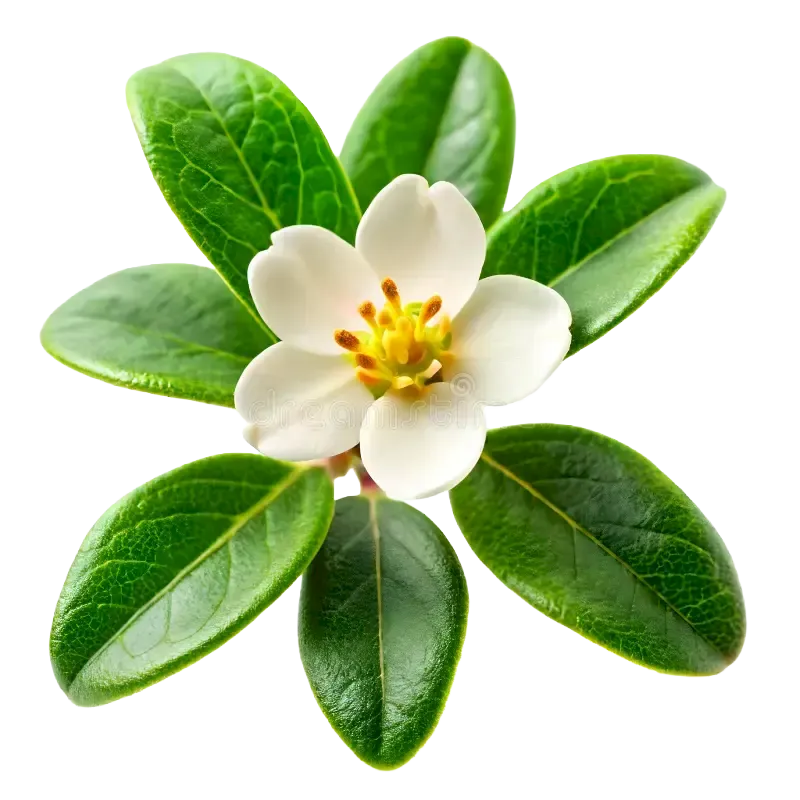
Uva-Ursi, scientifically known as Arctostaphylos uva-ursi, is a low-growing evergreen shrub native to North America, Europe, and Asia. It is also commonly known as "Bearberry" due to its association with bears consuming the berries. Uva-Ursi is primarily known for its leaves, which have historical uses in herbal medicine. نبات عنب الدب، المعروف علميًا باسم Arctostaphylos uva-ursi، هو شجيرة دائمة الخضرة قصيرة النمو، موطنها الأصلي أمريكا الشمالية وأوروبا وآسيا. ويُعرف أيضًا باسم "عنب الدب" لارتباطه بالدببة التي كانت تتغذى على ثماره. يشتهر عنب الدب بشكل أساسي بأوراقه، التي لها استخدامات تاريخية في الطب الشعبي.
Categoryالفئة
• Potential diuretic
• Potential astringent
• Traditional use for urinary tract health• مدر محتمل للبول
• قابض محتمل
• الاستخدام التقليدي لصحة المسالك البولية
Habitatالموطن
Uva-Ursi can be found in dry, rocky, and sandy soils in various regions, including North America, Europe, and Asia. It thrives in acidic soil conditions and prefers full sun to partial shade. The leaves of Uva-Ursi are the primary plant part used for medicinal purposes. ينمو نبات عنب الدب في التربة الجافة والصخرية والرملية في مناطق مختلفة، بما في ذلك أمريكا الشمالية وأوروبا وآسيا. ويزدهر في التربة الحمضية، ويفضل التعرض لأشعة الشمس المباشرة أو الظل الجزئي. وتُعد أوراق عنب الدب الجزء الرئيسي المستخدم في الطب الشعبي.
Parts usedالأجزاء المستخدمة
• Leaves • أوراق
Key constituentsالمكوّنات الفعّالة
• Arbutin (hydroquinone glycoside ~5–12% leaves — primary active; urinary antiseptic, antifungal, skin lightening)
• Hydroquinone (phenol — antimicrobial, skin depigmenting; metabolite of arbutin)
• Tannins (gallotannins ~15–20% — astringent, antimicrobial, antidiarrheal)
• Flavonoids (quercetin, myricetin, hyperoside — antioxidant, anti-inflammatory)
• Ursolic acid (triterpenoid — anti-inflammatory, antimicrobial)
• Phenolic acids (gallic acid, ellagic acid — antioxidant, antimicrobial)
• Iridoids (trace — anti-inflammatory)
• Minerals (calcium, potassium, iron — nutritive)• أربوتين (جليكوسيد هيدروكينون ~5-12% من الأوراق - المادة الفعالة الرئيسية؛ مطهر للمسالك البولية، مضاد للفطريات، مفتح للبشرة)
• هيدروكينون (فينول - مضاد للميكروبات، مزيل لتصبغ الجلد؛ مستقلب الأربوتين)
• تانينات (غالوتانينات ~15-20% - قابضة، مضادة للميكروبات، مضادة للإسهال)
• فلافونويدات (كيرسيتين، ميريسيتين، هايبروسيد - مضاد للأكسدة، مضاد للالتهابات)
• حمض أورسوليك (تريتربينويد - مضاد للالتهابات، مضاد للميكروبات)
• أحماض فينولية (حمض الغاليك، حمض الإيلاجيك - مضاد للأكسدة، مضاد للميكروبات)
• إيريدويدات (كميات ضئيلة - مضادة للالتهابات)
• معادن (كالسيوم، بوتاسيوم، حديد - مغذية)
Researchالأبحاث
Research on Uva-Ursi has focused on its potential diuretic and astringent properties, particularly in supporting urinary tract health. It has a history of traditional use for this purpose. ركزت الأبحاث على نبات عنب الدب على خصائصه المدرة للبول والقابضة المحتملة، وخاصة في دعم صحة المسالك البولية. وله تاريخ طويل من الاستخدام التقليدي لهذا الغرض.
Published researchأبحاث منشورة
↗ Herbal treatment with uva ursi extract versus fosfomycin in uncomplicated urinary tract infection in women↗ Uva-ursi extract and ibuprofen as alternative treatments for adult female urinary tract infection (ATAFUTI)↗ Uva-ursi extract and ibuprofen as alternative treatments of adult female urinary tract infection (ATAFUTI): study protocol for a randomised controlled trialTraditional useالاستخدام التقليدي
Traditionally, the leaves of Uva-Ursi are used for their potential diuretic and astringent properties, especially in promoting urinary tract health.تقليديا، تستخدم أوراق نبات عنب الدب لخصائصها المدرة للبول والقابضة المحتملة، وخاصة في تعزيز صحة المسالك البولية.
Current useالاستخدام الحالي
Uva-Ursi leaves can be prepared as herbal infusions (tea) or used in traditional remedies. It is traditionally used for urinary tract health and as a diuretic. يمكن تحضير أوراق عنب الدب كمشروب عشبي (شاي) أو استخدامها في العلاجات التقليدية. ويُستخدم تقليدياً لصحة المسالك البولية وكمدر للبول.
Preparationsالتحضيرات
Infusion, Teaشاي, منقوع
Used for these conditionsيُستخدم لهذه الحالات
Adult dosageجرعة البالغين
Dried leaf standardised to provide 400–840 mg arbutin per day (roughly 3 g dried leaf as a cold-water infusion, 2–4 times daily), for no longer than 1 week per course and no more than 5 courses per year. Best taken when urine is alkaline. Seek medical advice if symptoms persist beyond a few days.أوراق مجففة مُعايرة لتوفير 400–840 ملغ من الأربوتين يوميًا (نحو 3 غ من الأوراق المجففة كمنقوع بالماء البارد، 2–4 مرات يوميًا)، ولمدة لا تتجاوز أسبوعًا واحدًا في الجرعة الواحدة ولا أكثر من 5 مرات في السنة. يُفضّل تناوله عندما يكون البول قلويًا. راجع الطبيب إذا استمرت الأعراض أكثر من بضعة أيام.
Child dosageجرعة الأطفال
Not recommended for children and adolescents under 18 years of age (EMA/HMPC). Do not use in this age group without specialist medical supervision.لا يُنصح باستخدامه للأطفال والمراهقين دون سن 18 عامًا (بحسب الوكالة الأوروبية للأدوية/لجنة المنتجات الطبية العشبية). لا يُستخدم لهذه الفئة العمرية دون إشراف طبي متخصص.
Cautionتحذيرات
Uva-Ursi contains arbutin, which is converted to hydroquinone — a compound that is a suspected carcinogen; because of this it should be used only in short courses (no more than 1 week at a time, and no more than about 5 courses per year) and never at doses above those recommended. Contraindicated in pregnancy, breastfeeding, children and adolescents under 18 years, and kidney disorders. Traditionally believed to work best when the urine is alkaline, so avoid excessive acidic foods and high-dose vitamin C during use. Prolonged or high-dose use may cause nausea and vomiting, and (rarely) liver strain; the urine may turn greenish-brown, which is harmless.يحتوي عنب الدب على الأربوتين الذي يتحول إلى هيدروكينون، وهو مركّب يُشتبه بأنه مسرطن؛ لذلك يجب استخدامه في دورات قصيرة فقط (لا تزيد عن أسبوع واحد في المرة الواحدة، ولا عن نحو 5 مرات في السنة) ودون تجاوز الجرعات الموصى بها. يُمنع استخدامه أثناء الحمل والرضاعة وللأطفال والمراهقين دون سن 18 عامًا ولمرضى اضطرابات الكلى. يُعتقد تقليديًا أنه يعمل بشكل أفضل عندما يكون البول قلويًا، لذا تجنّب الإكثار من الأطعمة الحمضية وفيتامين ج بجرعات عالية أثناء الاستخدام. الاستخدام المطوّل أو بجرعات عالية قد يسبب الغثيان والقيء و(نادرًا) إجهاد الكبد، وقد يتحول لون البول إلى بني مخضر وهو أمر غير ضار.
Pregnancy & nursingالحمل والرضاعة
Avoid during Pregnancy/Nursingيمنع أثناء الحمل والرضاعة