Introductionمقدّمة
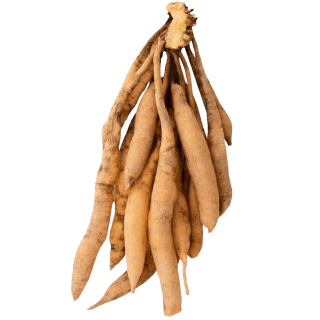
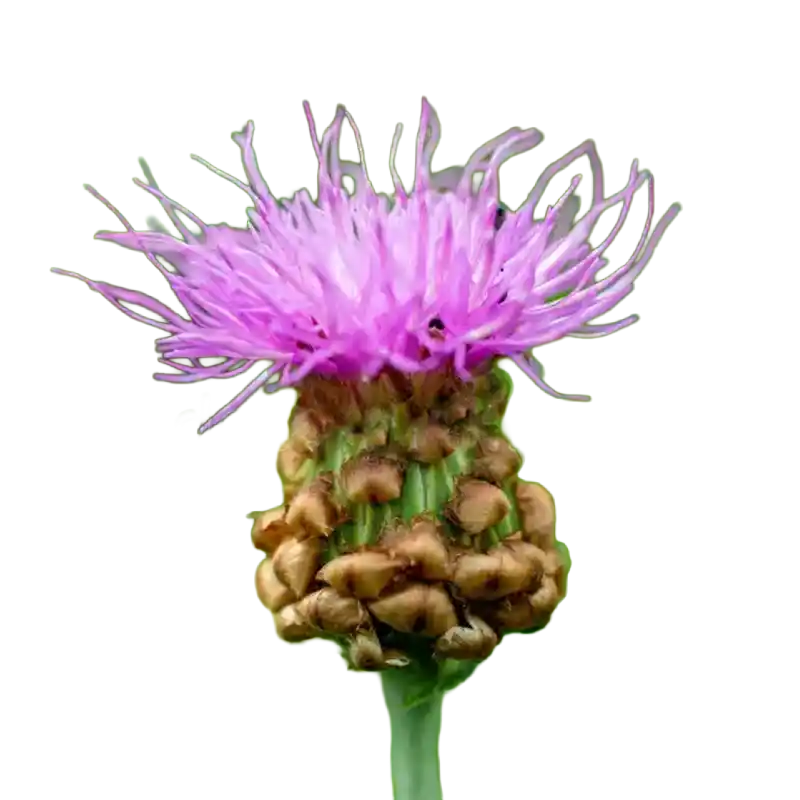
Rhaponticum uniflorum (Leuzea uniflora, Mongolian maral root, Chinese 'lou lu') is a thistle-like adaptogen of the same genus as maral root (Rhaponticum carthamoides). Its root carries ecdysteroids and is used in Mongolian, Tibetan and Chinese medicine as a tonic for fatigue, stress and recovery and, in traditional Chinese medicine, as a heat-clearing/detoxifying herb.الرابونتيكم وحيد الزهرة (Rhaponticum uniflorum، «لو لو» الصيني) نبتةٌ شوكية مُكيِّفة من جنس جذر المارال نفسه (Rhaponticum carthamoides). ويحمل جذره إكديستيرويدات، ويُستعمل في الطبّ المنغولي والتبتّي والصيني مقوّياً للتعب والإجهاد والتعافي، وفي الطبّ الصيني عشبةً مُطهِّرة مُبرِّدة.
Categoryالفئة
• Adaptogen / tonic (Mongolian & Chinese medicine)
• Anti-fatigue & anti-stress (studied)
• Anti-inflammatory / antioxidant
• Ecdysteroid-bearing (like maral root)
• Nootropic / neuroprotective (preclinical)• مُكيِّف/مقوٍّ (الطبّ المنغولي والصيني)
• مضاد للتعب والإجهاد (مدروس)
• مضاد للالتهاب/مضاد للأكسدة
• حاملٌ للإكديستيرويدات (كجذر المارال)
• مُحسِّن إدراكي/واقٍ للأعصاب (قبل سريري)
Habitatالموطن
A perennial thistle-like herb of dry grasslands, mountains and steppes of Mongolia, Siberia, northern China and Korea.عشبةٌ معمّرة شوكية في المروج الجافة والجبال والسهوب في منغوليا وسيبيريا وشمال الصين وكوريا.
Parts usedالأجزاء المستخدمة
• Root/rhizome• الجذر/الجذمور
Key constituentsالمكوّنات الفعّالة
• Ecdysteroids (20-hydroxyecdysone)
• Flavonoids
• Thiophenes & phenolics
• Triterpenes
• Essential oil• إكديستيرويدات (20-هيدروكسي إكديسون)
• فلافونويدات
• ثيوفينات وفينولات
• تريتربينات
• زيت طيّار
Researchالأبحاث
Rhaponticum uniflorum root contains ecdysteroids (20-hydroxyecdysone) and flavonoids; reviews document adaptogenic, anti-inflammatory, antioxidant and neuroprotective activity, and an experimental study showed its extract attenuated acute and chronic emotional-stress injury. As with its relative maral root, most evidence is preclinical rather than from human trials.يحوي جذر الرابونتيكم وحيد الزهرة إكديستيرويدات (20-هيدروكسي إكديسون) وفلافونويدات؛ وتوثّق المراجعات نشاطاً مُكيِّفاً ومضاداً للالتهاب ومضاداً للأكسدة وواقياً للأعصاب، وأظهرت دراسة تجريبية أنّ مستخلصه خفّف أذى الإجهاد الانفعالي الحادّ والمزمن. وكقريبه جذر المارال، معظم الأدلة قبل سريرية لا من تجارب بشرية.
Published researchأبحاث منشورة
Traditional useالاستخدام التقليدي
Used in Mongolian, Tibetan and Chinese medicine as a restorative tonic for fatigue, weakness and recovery, and in Chinese medicine ('lou lu') as a heat-clearing, detoxifying herb for mastitis, boils/abscesses and to promote lactation and clear damp-heat.يُستعمل في الطبّ المنغولي والتبتّي والصيني مقوّياً مُرمِّماً للتعب والضعف والتعافي، وفي الطبّ الصيني («لو لو») عشبةً مُطهِّرة مُبرِّدة لالتهاب الثدي والدمامل/الخرّاجات ولإدرار الحليب وتصريف الحرارة الرطبة.
Current useالاستخدام الحالي
Used as a root tonic/adaptogen and, in Chinese herbal practice, for inflammatory swellings; studied for its ecdysteroids.يُستعمل مقوّياً/مُكيِّفاً من الجذر، وفي الممارسة العشبية الصينية للتورّمات الالتهابية؛ ويُدرَس لإكديستيروداته.
Preparationsالتحضيرات
• Root decoction
• Tincture/extract
• Tonic formulas• مغليّ الجذر
• صبغة/مستخلص
• تركيبات مقوّية
Used for these conditionsيُستخدم لهذه الحالات
Adult dosageجرعة البالغين
Root decoction or tincture in traditional amounts, or per a practitioner/product.مغليّ جذرٍ أو صبغة بكميات تقليدية، أو بحسب مختصّ/منتج.
Child dosageجرعة الأطفال
Not typically used for children.لا يُستعمل عادةً للأطفال.
Cautionتحذيرات
Generally used short-term as a tonic; because it carries ecdysteroids and moves blood in tradition, avoid it in pregnancy and use cautiously alongside medicines. It is a close relative of maral root (Rhaponticum carthamoides, H936); do not confuse the two species.يُستعمل عادةً لفترة قصيرة مقوّياً؛ ولأنّه يحمل إكديستيرويدات ويحرّك الدم في التقليد، يُتجنَّب في الحمل ويُستعمل بحذر مع الأدوية. وهو قريبٌ لجذر المارال (Rhaponticum carthamoides، H936)؛ فلا يُخلَط بين النوعين.
Pregnancy & nursingالحمل والرضاعة
Avoid in pregnancy — traditionally used to move blood/promote lactation; not established as safe.يُتجنَّب في الحمل — يُستعمل تقليدياً لتحريك الدم/إدرار الحليب؛ وغير مثبت الأمان.