Introductionمقدّمة
Tian Nan Xing, scientifically known as Arisaema erubescens, is a perennial herbaceous plant that belongs to the Araceae family. It is also commonly referred to as "Chinese Cobra Lily." Tian Nan Xing is recognized for its distinctive hood-like structure (spathe) and long, slender spadix, which emerges in the spring. This herb has been used traditionally in Chinese medicine. تيان نان شينغ، المعروف علميًا باسم أريسيما إيروبيسينس، هو نبات عشبي معمر ينتمي إلى الفصيلة القلقاسية. ويُعرف أيضًا باسم "زنبق الكوبرا الصيني". يتميز تيان نان شينغ ببنيته المميزة الشبيهة بالقلنسوة (السباتة) وسنبلته الطويلة النحيلة التي تظهر في الربيع. وقد استُخدم هذا النبات تقليديًا في الطب الصيني.
Categoryالفئة
• Traditional use for expelling wind-dampness
• Potential analgesic
• Potential anti-inflammatory• الاستخدام التقليدي لطرد الرطوبة والرياح
• مسكن محتمل
• مضاد محتمل للالتهابات
Habitatالموطن
Tian Nan Xing is native to various regions in China and can be found in forests, grasslands, and mountainous areas. It prefers well-drained, humus-rich soil and typically grows in partial shade. The plant is cultivated for its rhizomes, which are used in traditional Chinese medicine. نبات تيان نان شينغ موطنه الأصلي مناطق مختلفة في الصين، ويمكن العثور عليه في الغابات والمراعي والمناطق الجبلية. يفضل التربة جيدة التصريف والغنية بالدبال، وينمو عادةً في الظل الجزئي. يُزرع هذا النبات من أجل جذوره، التي تُستخدم في الطب الصيني التقليدي.
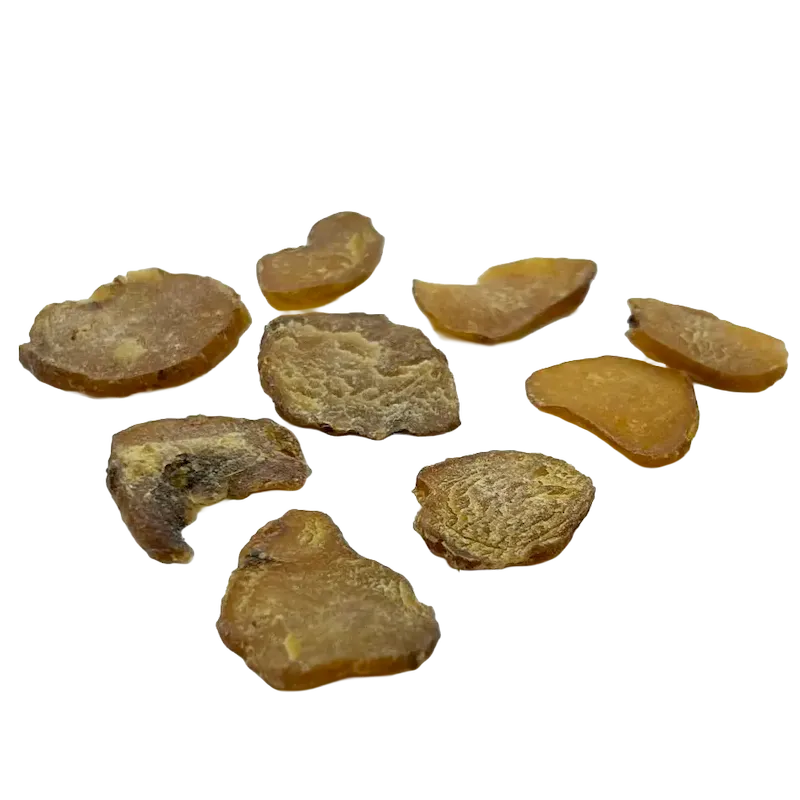
Parts usedالأجزاء المستخدمة
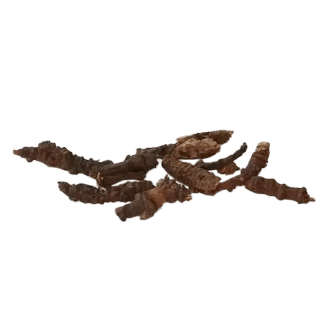
• Rhizomes • الجذور
Key constituentsالمكوّنات الفعّالة
• Calcium oxalate raphides (needle-shaped crystals — severe irritant of mouth/throat/GI mucosa; principal toxic component of the raw rhizome)
• Lectins/irritant proteins
• Triterpenoid saponins
• Flavone C-glycosides (schaftoside, isoschaftoside)
• Benzoic and phenolic acids. NOTE: Contains NO aristolochic acid. The raw rhizome is toxic and must be processed (paozhi) before use.• بلورات أكسالات الكالسيوم الإبرية (مهيّج شديد للفم والحلق والغشاء المخاطي الهضمي؛ المكوّن السام الرئيسي في الجذمور الخام)
• ليكتينات/بروتينات مهيّجة
• صابونينات ثلاثية التربين
• جليكوسيدات الفلافون (شافتوسيد، إيزوشافتوسيد)
• أحماض بنزويك وفينولية. ملاحظة: لا يحتوي على حمض الأريستولوشيك إطلاقاً. الجذمور الخام سام ويجب معالجته (باوجيه) قبل الاستخدام.
Researchالأبحاث
Research on Tian Nan Xing has focused on its alkaloid content, particularly aristolochic acids, and its potential therapeutic properties. It has a traditional use in Chinese medicine for expelling wind-dampness and addressing pain and inflammation. ركزت الأبحاث على نبات تيان نان شينغ على محتواه من القلويدات، وخاصة حمض الأريستولوشيك، وخصائصه العلاجية المحتملة. وله استخدام تقليدي في الطب الصيني لطرد الرطوبة والرياح وتسكين الألم والالتهاب.
Published researchأبحاث منشورة
↗ A comprehensive review of research progress on the genus Arisaema: Botany, uses, phytochemistry, pharmacology, toxicity and pharmacokinetics↗ Insight into Nephrotoxicity and Processing Mechanism of Arisaema erubescens (Wall.) Schott by Metabolomics and Network Analysis↗ Purification of a lectin from Arisaema erubescens (Wall.) Schott and its pro-inflammatory effectsTraditional useالاستخدام التقليدي
The rhizomes of Tian Nan Xing are the primary plant part used in traditional Chinese medicine. They are known for their potential analgesic effects and use in expelling wind-dampness.تُعد جذور نبات تيان نان شينغ الجزء الرئيسي المستخدم في الطب الصيني التقليدي. وهي معروفة بتأثيراتها المسكنة المحتملة واستخدامها في طرد الرطوبة والرياح.
Current useالاستخدام الحالي
Tian Nan Xing can be prepared in various forms, including decoctions, powders, or used in traditional remedies. It is traditionally used for its potential analgesic properties and in treating conditions related to wind-dampness. يمكن تحضير عشبة تيان نان شينغ بأشكال مختلفة، بما في ذلك المغلي والمسحوق، أو استخدامها في العلاجات التقليدية. وهي تُستخدم تقليديًا لخصائصها المسكنة المحتملة ولعلاج الحالات المرتبطة بالرياح والرطوبة.
Preparationsالتحضيرات
Decoction, Powderمسحوق, مغلي
Used for these conditionsيُستخدم لهذه الحالات
Adult dosageجرعة البالغين
Dosage recommendations for Tian Nan Xing may vary based on the specific traditional formula or treatment. It is typically used in appropriate quantities in traditional Chinese medicine. قد تختلف توصيات الجرعة لدواء تيان نان شينغ بناءً على التركيبة التقليدية أو العلاج المحدد. ويُستخدم عادةً بكميات مناسبة في الطب الصيني التقليدي.
Child dosageجرعة الأطفال
Dosages for Tian Nan Xing may vary based on traditional Chinese medicine practices and individual needs. It is advisable to consult with a qualified Chinese medicine practitioner for guidance on dosages and usage. قد تختلف جرعات دواء تيان نان شينغ بناءً على ممارسات الطب الصيني التقليدي والاحتياجات الفردية. يُنصح باستشارة طبيب متخصص في الطب الصيني للحصول على إرشادات بشأن الجرعات وطريقة الاستخدام.
Cautionتحذيرات
Raw Tian Nan Xing is toxic. It is strongly acrid and irritant to the mouth, throat and gastrointestinal tract (calcium oxalate raphides), causing burning, swelling and salivation if used unprocessed. It must be processed (e.g., with ginger and alum) and used only under a qualified TCM practitioner. Do not use raw and do not exceed prescribed doses.عشبة تيان نان شينغ الخام سامة. فهي حادّة ومهيّجة بشدة للفم والحلق والجهاز الهضمي (بلورات أكسالات الكالسيوم) وتسبب الحرقان والتورم وزيادة اللعاب إذا استُخدمت دون معالجة. يجب معالجتها (مثلاً بالزنجبيل والشبّة) واستخدامها فقط تحت إشراف طبيب مؤهل في الطب الصيني. لا تُستخدم خاماً ولا تتجاوز الجرعات الموصوفة.
Pregnancy & nursingالحمل والرضاعة
Avoid during Pregnancy/Nursing. Tian Nan Xing is a toxic herb and is traditionally contraindicated in pregnancy.يُمنع أثناء الحمل والرضاعة. تيان نان شينغ عشبة سامة ويُمنع استخدامها تقليدياً أثناء الحمل.