Introductionمقدّمة
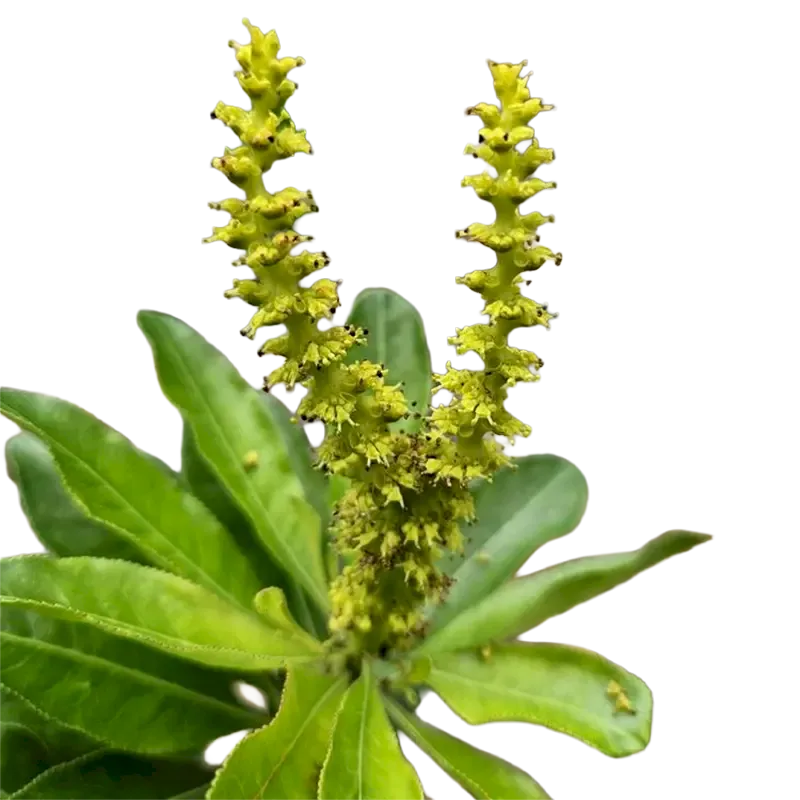
Queen's Delight, scientifically known as Stillingia sylvatica, is a perennial herbaceous plant native to the southeastern United States. It belongs to the Euphorbiaceae family and has a history of traditional use for its potential medicinal properties. Queen's Delight is recognized for its distinctive inflorescence and has been used in various herbal remedies.نبات "بهجة الملكة"، المعروف علميًا باسم "Stillingia sylvatica"، هو نبات عشبي معمر موطنه الأصلي جنوب شرق الولايات المتحدة. ينتمي إلى الفصيلة الفربيونية، وله تاريخ طويل من الاستخدام التقليدي لخصائصه الطبية المحتملة. يتميز نبات "بهجة الملكة" بنوراته الزهرية المميزة، وقد استُخدم في العديد من العلاجات العشبية.
Categoryالفئة
• Potential alterative (blood purifying)
• Traditional use for skin conditions
• Potential laxative effects• مُنَقٍّ محتمل للدم
• استخدام تقليدي لعلاج الأمراض الجلدية
• تأثيرات مُليِّنة محتملة
Habitatالموطن
Queen's Delight typically grows in open woodlands, sandhills, and pine flatwoods in its native range. It is not commonly cultivated but is valued for its historical use in traditional medicine. The root is the primary part used for its potential therapeutic benefits. ينمو نبات "بهجة الملكة" عادةً في الغابات المفتوحة والكثبان الرملية وغابات الصنوبر المسطحة في موطنه الأصلي. لا يُزرع على نطاق واسع، ولكنه يُقدّر لاستخدامه التاريخي في الطب التقليدي. ويُعدّ الجذر الجزء الأساسي المستخدم لفوائده العلاجية المحتملة.
Parts usedالأجزاء المستخدمة
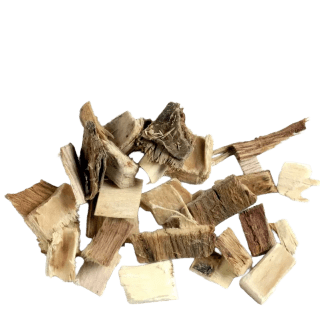
• Root • جذر
Key constituentsالمكوّنات الفعّالة
• Resinous and oily fraction: an acrid resin known historically as sylvacrol (not carvacrol), an acrid fixed oil, and a volatile oil, regarded together as the main active and irritant principles.
• Phenolic/tannic and mineral components: notable tannin content (around 10–12% in some descriptions), calcium oxalate and associated woody fibre and extractives.
• Other reported constituents: cyanogenic glycosides, starch and general diterpenes and resins contributing to its strong physiological and potential toxic effects.• الجزء الراتنجي والزيتي: راتنج لاذع يُعرف تاريخيًا باسم سيلفاكرول (وليس كارفاكرول)، وزيت ثابت لاذع، وزيت طيار، تُعتبر مجتمعةً المكونات النشطة والمهيجة الرئيسية.
• المكونات الفينولية/التانينية والمعدنية: محتوى ملحوظ من التانين (حوالي 10-12% في بعض الوصفات)، وأكسالات الكالسيوم، والألياف الخشبية والمستخلصات المرتبطة بها.
• مكونات أخرى مُبلغ عنها: جليكوسيدات سيانوجينية، ونشا، وديتربينات وراتنجات عامة تُساهم في تأثيراته الفسيولوجية القوية وتأثيراته السامة المحتملة.
Researchالأبحاث
Research on Queen's Delight has explored its chemical constituents, including stilbenes, diterpenes, and resins. It is traditionally associated with alterative (blood purifying) properties, traditional use for skin conditions, and potential laxative effects. Limited modern research exists on its specific therapeutic properties. استكشفت الأبحاث التي أُجريت على نبات "بهجة الملكة" مكوناته الكيميائية، بما في ذلك الستيلبينات والديتربينات والراتنجات. ويرتبط هذا النبات تقليديًا بخصائص مُنقية للدم، ويُستخدم لعلاج الأمراض الجلدية، وله تأثيرات مُليّنة محتملة. ولا تزال الأبحاث الحديثة حول خصائصه العلاجية المحددة محدودة.
Traditional useالاستخدام التقليدي
The primary part used in Queen's Delight is the root, which is traditionally employed for its potential alterative (blood purifying) properties and for addressing skin conditions. It may also have potential laxative effects.الجزء الأساسي المستخدم في نبات "بهجة الملكة" هو الجذر، الذي يُستخدم تقليديًا لخصائصه المُعدّلة المحتملة (تنقية الدم) ولعلاج الأمراض الجلدية. وقد يكون له أيضًا تأثيرات مُليّنة محتملة.
Current useالاستخدام الحالي
Queen's Delight root can be prepared as herbal infusions, tinctures, or used in traditional remedies. Its uses may vary based on traditional knowledge and desired applications. It is traditionally used for blood purification and addressing skin issues. يمكن تحضير جذر نبات "بهجة الملكة" على شكل مشروبات عشبية أو صبغات، أو استخدامه في العلاجات التقليدية. وتختلف استخداماته باختلاف المعارف التقليدية والاستخدامات المرغوبة. ويُستخدم تقليديًا لتنقية الدم وعلاج مشاكل الجلد.
Preparationsالتحضيرات
Infusion, Tinctureخلاصة سائلة, منقوع
Used for these conditionsيُستخدم لهذه الحالات
Adult dosageجرعة البالغين
Dosage recommendations for Queen's Delight may vary based on the specific product or remedy. It is typically used in appropriate quantities for the intended purpose. Consult with a qualified herbalist or healthcare provider for guidance on therapeutic dosages. قد تختلف توصيات الجرعات لنبات "كوينز ديلايت" باختلاف المنتج أو العلاج المحدد. ويُستخدم عادةً بكميات مناسبة للغرض المقصود. استشر أخصائي أعشاب مؤهلاً أو مقدم رعاية صحية للحصول على إرشادات بشأن الجرعات العلاجية.
Child dosageجرعة الأطفال
Dosages for Queen's Delight may vary depending on the intended use and preparation form. It is advisable to consult with a qualified herbalist or healthcare provider for guidance on dosages and usage. قد تختلف جرعات عشبة كوينز ديلايت باختلاف الاستخدام المقصود وطريقة التحضير. يُنصح باستشارة أخصائي أعشاب مؤهل أو مقدم رعاية صحية للحصول على إرشادات بشأن الجرعات وطريقة الاستخدام.
Cautionتحذيرات
Queen's Delight is an acrid, irritant Euphorbiaceae herb and should be used only in small, correctly prepared doses. Fresh or large doses of the root can cause burning of the mouth and throat, nausea, vomiting, diarrhoea, dizziness and skin/mucous-membrane irritation. The irritant diterpene esters have tumor-promoting potential, so prolonged use should be avoided. Do not use without guidance from a qualified practitioner.نبات بهجة الملكة عشب لاذع ومهيّج من الفصيلة الفربيونية، ولا يُستخدم إلا بجرعات صغيرة ومحضّرة بشكل صحيح. قد يسبب الجذر الطازج أو الجرعات الكبيرة حرقاناً في الفم والحلق وغثياناً وقيئاً وإسهالاً ودوخة وتهيّجاً للجلد والأغشية المخاطية. كما أن استرات الديتربين المهيّجة لها احتمالية تعزيز الأورام، لذا يجب تجنب الاستخدام المطوّل. لا يُستخدم دون إشراف مختص مؤهل.
Pregnancy & nursingالحمل والرضاعة
Do not use during pregnancy or breastfeeding. Queen's Delight is an irritant purgative with emmenagogue reputation and no established safety data in pregnancy or lactation.يُمنع استخدامه أثناء الحمل والرضاعة. نبات بهجة الملكة مليّن مهيّج يُعرف بتأثيره المُدرّ للطمث، ولا توجد بيانات تثبت سلامته أثناء الحمل أو الإرضاع.