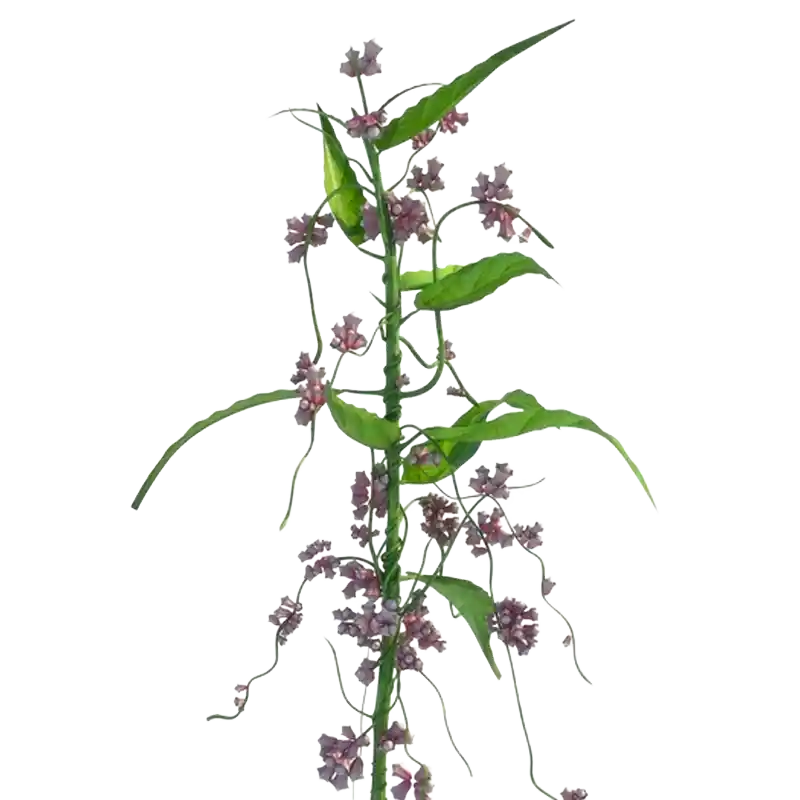
Introductionمقدّمة
Cuscuta epithymum (dodder of thyme, common dodder) is a leafless, parasitic thread-like vine that twines over thyme, heather and other plants. It is a classic herb of Unani and European medicine — a laxative, liver and 'blood-cleansing' remedy, traditionally famous for 'melancholy', nervous and skin complaints; extracts show antioxidant and hepatoprotective activity.الحامول (Cuscuta epithymum، كشوث الزعتر) متسلّقةٌ خيطية طفيلية عديمة الورق تلتفّ على الزعتر والخلنج ونباتاتٍ أخرى. وهو عشبةٌ كلاسيكية في الطبّ اليوناني والأوروبي — مليّن وعلاجٌ للكبد و«تنقية الدم»، اشتهر تقليدياً لـ«السوداء» والشكاوى العصبية والجلدية؛ وتُظهر المستخلصات نشاطاً مضاداً للأكسدة وواقياً للكبد.
Categoryالفئة
• Parasitic thread-vine (Convolvulaceae)
• Laxative & hepatic/'blood' herb (traditional)
• Antioxidant & hepatoprotective (studied)
• Traditional 'melancholy'/nerve & skin remedy
• Diuretic & mild sedative• متسلّقة خيطية طفيلية (الفصيلة العليقية)
• مليّنة وعشبة كبد/«دم» (تقليدي)
• مضادّة للأكسدة وواقية للكبد (مدروسة)
• علاجٌ تقليدي لـ«السوداء»/الأعصاب والجلد
• مُدرّة ومهدّئة خفيفة
Habitatالموطن
A leafless parasitic annual forming tangled reddish threads over host plants (thyme, heather, gorse) on heaths and grassland across Europe, North Africa and Asia.طفيليٌّ حولي عديم الورق يكوّن خيوطاً محمرّة متشابكة فوق النباتات المضيفة (الزعتر، الخلنج، الجولق) في الأحراج والمروج عبر أوروبا وشمال إفريقيا وآسيا.
Parts usedالأجزاء المستخدمة
• Whole parasitic vine (herb)
• Seeds• المتسلّقة الطفيلية كاملةً (العشبة)
• البذور
Key constituentsالمكوّنات الفعّالة
• Flavonoids (kaempferol/quercetin glycosides)
• Phenolic acids
• Alkaloids (small amounts)
• Anthraquinone-type (laxative)
• Lignans• فلافونويدات (غليكوزيدات كايمفيرول/كيرسيتين)
• أحماض فينولية
• قلويدات (كميات صغيرة)
• من نمط الأنثراكينون (مليّن)
• لِغنانات
Researchالأبحاث
Cuscuta epithymum is documented for flavonoid and phenolic content and, in an animal study, hepatoprotective (liver-protecting) activity against chemical liver damage; a comprehensive review covers its ethnobotany, phytochemistry, pharmacology and toxicity. This gives modern support to its traditional laxative, liver and antioxidant use, though evidence is preclinical and doses should be moderate.الحامول موثّقٌ بمحتوى فلافونويدي وفينولي، وفي دراسةٍ حيوانية بنشاطٍ واقٍ للكبد ضدّ الأذى الكيميائي؛ وتغطّي مراجعةٌ شاملة إثنوبوتانيّته وكيميائه ودوائيّته وسميّته. وهذا يعطي دعماً حديثاً لاستعماله التقليدي المليّن والكبدي والمضاد للأكسدة، وإن كانت الأدلة قبل سريرية والجُرَع ينبغي اعتدالها.
Published researchأبحاث منشورة
Traditional useالاستخدام التقليدي
A classic Unani and European remedy: used as a gentle laxative and liver/'blood' cleanser, for jaundice and 'sluggish liver', famously for 'melancholy' (depression) and nervous complaints, for skin diseases, itching and scabies, as a diuretic for urinary complaints, and for spleen and menstrual complaints.علاجٌ يوناني وأوروبي كلاسيكي: يُستعمل مليّناً لطيفاً ومنقّياً للكبد/«الدم» ولليرقان و«خمول الكبد» واشتهر لـ«السوداء» (الاكتئاب) والشكاوى العصبية ولأمراض الجلد والحكّة والجرب ومُدرّاً للشكاوى البولية ولشكاوى الطحال والطمث.
Current useالاستخدام الحالي
Used as a traditional laxative, liver and 'nerve'/mood folk herb; studied for antioxidant and hepatoprotective activity.يُستعمل عشبةً شعبية تقليدية مليّنة وللكبد و«الأعصاب»/المزاج؛ ويُدرَس لنشاطه المضاد للأكسدة والواقي للكبد.
Preparationsالتحضيرات
• Herb infusion/decoction (laxative/liver)
• Traditional 'melancholy' formula
• Skin wash
• Tincture• نقيع/مغليّ العشبة (مليّن/للكبد)
• تركيبة «السوداء» التقليدية
• غسول للجلد
• صبغة
Used for these conditionsيُستخدم لهذه الحالات
Adult dosageجرعة البالغين
Herb infusion/decoction in traditional amounts as a mild laxative/liver tea, short courses; per traditional practice.نقيع/مغليّ العشبة بكميات تقليدية مليّناً/شاياً للكبد، لدوراتٍ قصيرة؛ بحسب الممارسة التقليدية.
Child dosageجرعة الأطفال
Not typically used medicinally for young children.لا يُستعمل عادةً طبياً لصغار الأطفال.
Cautionتحذيرات
Because it is a laxative, avoid overuse (cramping, fluid loss) and use short courses only. Its identity depends on its host plant (dodder growing on toxic hosts could carry their compounds), so source it from thyme/heather hosts and reputable suppliers. Avoid in pregnancy and bowel obstruction, and do not rely on it as a treatment for depression — seek proper care.لأنّه مليّن، يُتجنَّب الإفراط (مغص، فقد سوائل) وتُستعمل دوراتٌ قصيرة فقط. وهويّته تعتمد نبتته المضيفة (فالحامول على مضيفٍ سامّ قد يحمل مركّباته)، فيُصدَّر من مضيفات الزعتر/الخلنج ومورّدين موثوقين. ويُتجنَّب في الحمل وانسداد الأمعاء، ولا يُعتمَد عليه علاجاً للاكتئاب — فتُلتمَس الرعاية السليمة.
Pregnancy & nursingالحمل والرضاعة
Avoid in pregnancy — a laxative/emmenagogue traditionally; not established as safe.يُتجنَّب في الحمل — مليّن/مُدرّ للطمث تقليدياً؛ وغير مثبت الأمان.