Introductionمقدّمة
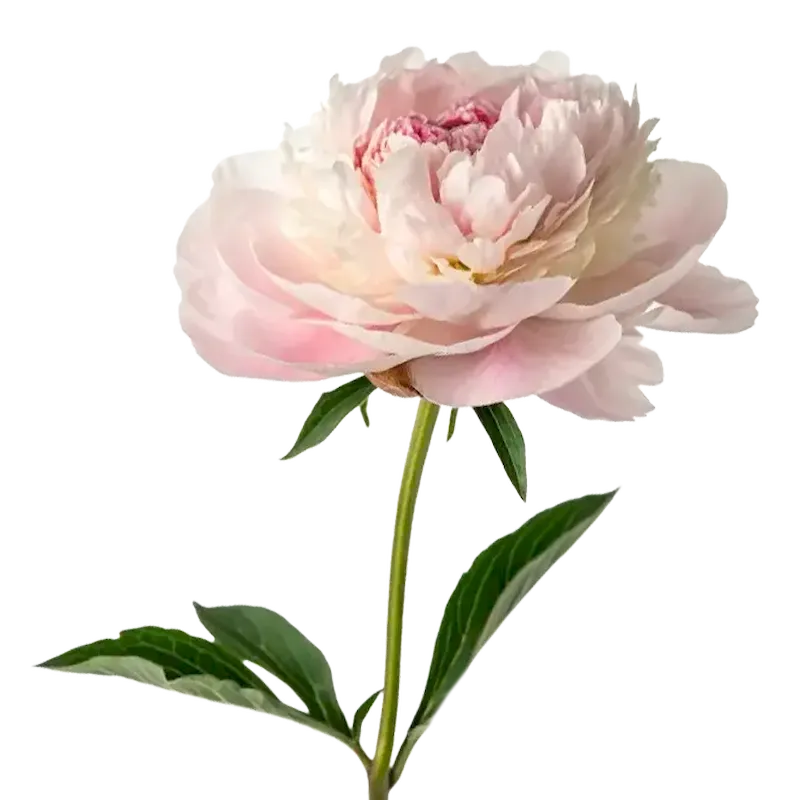
Peony, scientifically known as Paeonia, is a genus of flowering plants that includes both herbaceous and woody species. These plants are native to Asia, Europe, and North America and are highly prized for their ornamental flowers and potential medicinal properties. Peonies have a history of use in traditional herbal medicine and are recognized for their potential health benefits.الفاوانيا، واسمها العلمي Paeonia، جنس من النباتات المزهرة يضم أنواعًا عشبية وخشبية. موطنها الأصلي آسيا وأوروبا وأمريكا الشمالية، وتُقدّر لجمال أزهارها وخصائصها الطبية المحتملة. للفاوانيا تاريخ طويل في الطب الشعبي، وهي معروفة بفوائدها الصحية العديدة.
Categoryالفئة
• Potential anti-inflammatory
• Potential analgesic
• Traditional use for pain relief and gynecological health• مضاد محتمل للالتهابات
• مسكن محتمل للألم
• الاستخدام التقليدي لتسكين الألم ولصحة النساء
Habitatالموطن
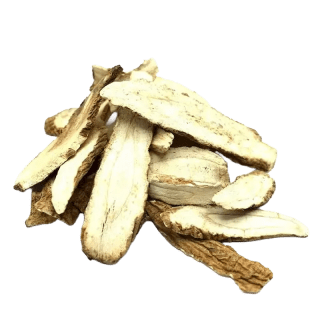
Peonies can be found in a variety of habitats, including temperate woodlands and gardens. They are cultivated for their ornamental flowers and are also used for their roots and aerial parts, which have potential medicinal properties. Peonies have been used in traditional medicine for various health applications. تنمو الفاونيا في بيئات متنوعة، بما في ذلك الغابات المعتدلة والحدائق. تُزرع الفاونيا لأزهارها الجميلة، كما تُستخدم جذورها وأجزاؤها الهوائية لما لها من خصائص طبية محتملة. وقد استُخدمت الفاونيا في الطب التقليدي لأغراض صحية متعددة.
Parts usedالأجزاء المستخدمة
• Roots
• Aerial parts• الجذور
• الأجزاء الهوائية
Key constituentsالمكوّنات الفعّالة
• Monoterpene glycosides (key markers in *Paeonia* roots): paeoniflorin (major), albiflorin, benzoylpaeoniflorin (and related acylated paeoniflorins)
• Phenolic compounds (notably in tree peony root bark / cortex moutan): paeonol (signature phenolic), plus related phenolic glycosides (e.g., paeonoside-type)
• Hydrolysable tannins (gallotannins): 1,2,3,4,6‑penta‑O‑galloyl‑β‑D‑glucose (PGG), plus hexa‑ and heptagalloyl glucose derivatives
• Simple phenolic acids: gallic acid; methyl gallate (often reported with processed/boiled roots)
• Flavonoids: catechin-type flavan‑3‑ols and other flavonoids reported in root extracts
• Volatile/other minor classes: volatile oil components (minor), sugars/polysaccharides, amino acids (reported across metabolomic profiles)• جليكوسيدات أحادية التربين (علامات رئيسية في جذور *الفاوانيا*): بيونيفلورين (الرئيسي)، ألبيفلورين، بنزويل بيونيفلورين (والبيونيفلورينات المؤستلة ذات الصلة)
• المركبات الفينولية (خاصة في لحاء جذر الفاوانيا الشجرية / قشرة الفاوانيا): بايونول (فينولي مميز)، بالإضافة إلى جليكوسيدات فينولية ذات صلة (مثل نوع الباينوسيد)
• التانينات القابلة للتحلل (التانينات الغالاتية): 1،2،3،4،6-بنتا-O-غالويل-β-D-جلوكوز (PGG)، بالإضافة إلى مشتقات الجلوكوز السداسية والسباعية الغالويلية
• الأحماض الفينولية البسيطة: حمض الغاليك؛ غالات الميثيل (غالباً ما يتم الإبلاغ عنها مع الجذور المعالجة/المغلية)
• الفلافونويدات: تم الإبلاغ عن فلافان-3-أولات من نوع الكاتشين وفلافونويدات أخرى في مستخلصات الجذور
• المركبات المتطايرة/الفئات الثانوية الأخرى: مكونات الزيت المتطاير (ثانوية)، والسكريات/السكريات المتعددة، والأحماض الأمينية (تم الإبلاغ عنها عبر ملفات تعريف الأيض)
Researchالأبحاث
Research on Peony has primarily focused on its key constituents, including paeoniflorin, and its potential anti-inflammatory, analgesic, and gynecological health benefits. It is traditionally used for pain relief and gynecological support and has been studied for its therapeutic properties.ركزت الأبحاث على الفاوانيا بشكل أساسي على مكوناتها الرئيسية، بما في ذلك البيونيفلورين، وفوائدها المحتملة كمضاد للالتهابات ومسكن للألم، فضلاً عن فوائدها الصحية النسائية. وتُستخدم الفاوانيا تقليدياً لتسكين الألم ودعم صحة النساء، وقد دُرست خصائصها العلاجية.
Published researchأبحاث منشورة
↗ Efficacy and safety of total glucosides of paeony as an add-on treatment in adolescents and adults with chronic urticaria: A systematic review and meta-analysis↗ Reduced hepatotoxicity by total glucosides of paeony in combination treatment with leflunomide and methotrexate for patients with active rheumatoid arthritis↗ A Pharmacological Review of Bioactive Constituents of Paeonia lactiflora Pallas and Paeonia veitchii LynchTraditional useالاستخدام التقليدي
Peony is used in traditional herbal medicine, where its roots and aerial parts are employed for various health purposes, including pain relief and gynecological support. Peony preparations can include decoctions, tinctures, and topical applications. يُستخدم الفاوانيا في الطب العشبي التقليدي، حيث تُستخدم جذوره وأجزاؤه الهوائية لأغراض صحية متنوعة، بما في ذلك تسكين الآلام ودعم صحة النساء. وتشمل مستحضرات الفاوانيا مغليّات، وصبغات، ومستحضرات موضعية.
Current useالاستخدام الحالي
The roots and aerial parts of Peony are the primary parts used for their potential medicinal properties. They can be processed to create decoctions, tinctures, and topical remedies for pain relief and gynecological support. تُعد جذور وأجزاء نبات الفاوانيا الهوائية الأجزاء الرئيسية المستخدمة لخصائصها الطبية المحتملة. ويمكن معالجتها لصنع مغليات ومستخلصات وعلاجات موضعية لتسكين الآلام ودعم صحة النساء.
Preparationsالتحضيرات
Decoction, Tinctureخلاصة سائلة, مغلي
Used for these conditionsيُستخدم لهذه الحالات
Adult dosageجرعة البالغين
Dosage recommendations for Peony may vary depending on the intended use and the specific product or remedy. It is typically used in appropriate quantities for the intended purpose. Consult with a qualified herbalist or healthcare provider for guidance on therapeutic dosages. قد تختلف توصيات جرعات الفاوانيا تبعًا للاستخدام المقصود والمنتج أو العلاج المحدد. وعادةً ما تُستخدم بكميات مناسبة للغرض المقصود. استشر أخصائي أعشاب مؤهلًا أو مقدم رعاية صحية للحصول على إرشادات بشأن الجرعات العلاجية.
Child dosageجرعة الأطفال
Dosage recommendations for Peony may vary depending on the intended use and the specific product or remedy. It is typically used in appropriate quantities for the intended purpose. Consult with a qualified herbalist or healthcare provider for guidance on dosages and usage.قد تختلف توصيات جرعات الفاوانيا تبعًا للاستخدام المقصود والمنتج أو العلاج المحدد. وعادةً ما تُستخدم بكميات مناسبة للغرض المقصود. استشر أخصائي أعشاب مؤهلًا أو مقدم رعاية صحية للحصول على إرشادات بشأن الجرعات وطريقة الاستخدام.
Cautionتحذيرات
Peony is generally considered safe when used as directed in traditional herbal preparations. However, individual reactions may vary. It is advisable to consult with a qualified healthcare provider if you have any underlying health conditions or are taking medications. يُعتبر الفاوانيا آمناً بشكل عام عند استخدامه وفقاً للإرشادات في المستحضرات العشبية التقليدية. مع ذلك، قد تختلف ردود الفعل الفردية. يُنصح باستشارة طبيب مختص في حال وجود أي مشاكل صحية أو تناول أدوية.
Pregnancy & nursingالحمل والرضاعة
Use only under professional supervision during pregnancy, and preferably avoid. Peony has traditional uterine/menstrual (emmenagogue) activity and its safety in pregnancy has not been established.لا يُستخدم أثناء الحمل إلا تحت إشراف مختص، ويُفضّل تجنّبه. للفاوانيا نشاط تقليدي محفّز للرحم/الطمث ولم تثبت سلامتها في الحمل.