Introductionمقدّمة
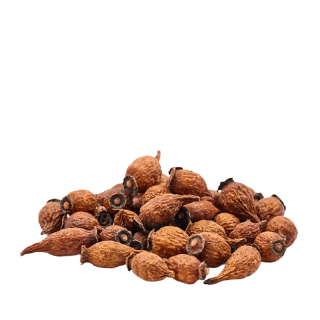
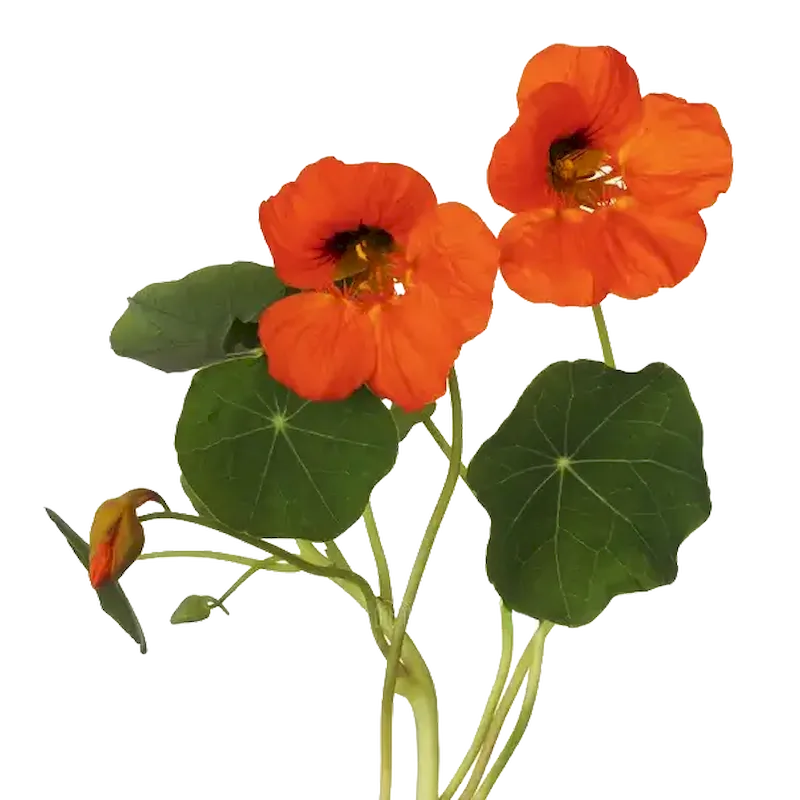
Nasturtium, scientifically known as Tropaeolum majus, is a flowering plant belonging to the Tropaeolaceae family. It is native to South America and is widely cultivated for its attractive flowers and potential medicinal and culinary uses. Nasturtium has a long history of traditional use in various cultures.الكبوسين، المعروف علميًا باسم Tropaeolum majus، هو نبات مزهر ينتمي إلى الفصيلة التروبايولية. موطنه الأصلي أمريكا الجنوبية، ويُزرع على نطاق واسع لأزهاره الجذابة واستخداماته الطبية والغذائية المحتملة. للكبوسين تاريخ طويل من الاستخدام التقليدي في ثقافات متنوعة.
Categoryالفئة
• Traditional use for culinary purposes
• Potential antimicrobial and antioxidant properties
• Limited modern research - الاستخدام التقليدي في الطهي - خصائص مضادة للميكروبات ومضادة للأكسدة محتملة - أبحاث حديثة محدودة
Habitatالموطن
Nasturtium thrives in well-drained soils and is commonly grown in gardens and as ornamental plants. The plant is known for its vibrant flowers and edible leaves and flowers. The key constituents of Nasturtium include glucosinolates, flavonoids, and vitamin C. يزدهر نبات الكبوسين في التربة جيدة التصريف، ويُزرع عادةً في الحدائق وكنبات زينة. يُعرف هذا النبات بأزهاره الزاهية وأوراقه وأزهاره الصالحة للأكل. تشمل المكونات الرئيسية للكبوسين الجلوكوزينولات والفلافونويدات وفيتامين ج.
Parts usedالأجزاء المستخدمة
• Leaves
• Flowers• أوراق
• أزهار
Key constituentsالمكوّنات الفعّالة
• Glucosinolates and isothiocyanates: high levels of benzylglucosinolate (glucotropaeolin); upon tissue damage this is hydrolyzed to benzyl isothiocyanate (BITC), a major antimicrobial and bioactive compound, plus benzyl cyanide.
• Polyphenols: phenolic acids (gallic, caffeic, p‑coumaric, chlorogenic) and flavonoids such as quercetin, epicatechin, luteolin, isoquercitrin and other flavones/flavonols, contributing to strong antioxidant activity.
• Pigments and other metabolites: carotenoids and anthocyanins (especially in flowers), chlorophyll‑derived phylloxanthobilins in senescent leaves, plus coumarins, sterols, triterpenes, iridoids, tannins and alkaloids detected in various organs.• الجلوكوزينولات والإيزوثيوسيانات: مستويات عالية من بنزيل جلوكوزينولات (جلوكوتروبايولين)؛ عند تلف الأنسجة، يتحلل هذا المركب إلى بنزيل إيزوثيوسيانات (BITC)، وهو مركب رئيسي مضاد للميكروبات ونشط بيولوجيًا، بالإضافة إلى بنزيل سيانيد.
• البوليفينولات: أحماض فينولية (حمض الغاليك، حمض الكافيين، حمض الكوماريك، حمض الكلوروجينيك) وفلافونويدات مثل الكيرسيتين، والإبيكاتشين، واللوتولين، والإيزوكيرسيتين، وغيرها من الفلافونات/الفلافونولات، مما يساهم في نشاط قوي مضاد للأكسدة.
• الأصباغ والمستقلبات الأخرى: الكاروتينات والأنثوسيانينات (خاصة في الأزهار)، والفيلوكسانثوبيلينات المشتقة من الكلوروفيل في الأوراق المتساقطة، بالإضافة إلى الكومارينات، والستيرولات، والتريتربينات، والإيريدويدات، والتانينات، والقلويدات التي تم الكشف عنها في مختلف الأعضاء.
Researchالأبحاث
Nasturtium has been traditionally used for culinary purposes, with its peppery leaves and flowers adding a unique flavor to dishes. It is also believed to have potential antimicrobial and antioxidant properties, although there is limited modern research on its specific therapeutic effects.يُستخدم نبات الكبوسين تقليديًا في الطهي، حيث تُضفي أوراقه وأزهاره ذات المذاق اللاذع نكهةً مميزةً على الأطباق. ويُعتقد أيضًا أن له خصائص مضادة للميكروبات ومضادة للأكسدة، على الرغم من محدودية الأبحاث الحديثة حول تأثيراته العلاجية المحددة.
Published researchأبحاث منشورة
↗ A monocentric, randomized, double-blind, controlled crossover trial of nasturtium (Tropaeolum majus) on the lipid regulator prostaglandin E2↗ The effect of Tropaeolum majus L. on bacterial infections and in vitro efficacy on apoptosis and DNA lesions in hyperosmotic stress↗ Garden nasturtium (Tropaeolum majus L.) - a source of mustard oil glycosidesTraditional useالاستخدام التقليدي
Various parts of Nasturtium are utilized in culinary applications, with the leaves and flowers being the most commonly used. It is known for its traditional use in salads, garnishes, and as a flavoring agent in culinary creations. تُستخدم أجزاء مختلفة من نبات الكبوسين في الطهي، وتُعدّ الأوراق والأزهار أكثرها استخدامًا. وهو معروف باستخدامه التقليدي في السلطات، وتزيين الأطباق، وإضفاء نكهة مميزة على مختلف الأطباق.
Current useالاستخدام الحالي
Nasturtium can be consumed fresh in salads, sandwiches, or as a garnish. It is used to add a peppery flavor to dishes. Additionally, it can be prepared as herbal infusions or used in traditional remedies, although its medicinal use is less common. يمكن تناول زهرة الكبوسين طازجة في السلطات أو السندويشات أو كزينة. وتُستخدم لإضافة نكهة لاذعة للأطباق. كما يمكن تحضيرها كمشروبات عشبية أو استخدامها في العلاجات التقليدية، على الرغم من أن استخدامها الطبي أقل شيوعًا.
Preparationsالتحضيرات
Culinary, Infusionطهي, منقوع
Used for these conditionsيُستخدم لهذه الحالات
Adult dosageجرعة البالغين
Nasturtium is generally considered safe when used in moderate culinary amounts. However, if you plan to use it for medicinal purposes, consult with a qualified herbalist or healthcare provider for guidance. Individuals with known allergies should exercise caution when consuming Nasturtium. يُعتبر نبات الكبوسين آمناً بشكل عام عند استخدامه بكميات معتدلة في الطهي. مع ذلك، إذا كنت تخطط لاستخدامه لأغراض طبية، فاستشر أخصائي أعشاب مؤهلاً أو مقدم رعاية صحية للحصول على التوجيه اللازم. يجب على الأشخاص الذين يعانون من حساسية معروفة توخي الحذر عند تناول الكبوسين.
Child dosageجرعة الأطفال
Dosages for Nasturtium may vary depending on the culinary or traditional use. There are no standardized dosages for its medicinal applications. It is typically used in culinary amounts to add flavor to dishes and salads.قد تختلف جرعات نبات الكبوسين باختلاف الاستخدام في الطهي أو الاستخدام التقليدي. لا توجد جرعات موحدة لاستخداماته الطبية. يُستخدم عادةً بكميات قليلة في الطهي لإضافة نكهة إلى الأطباق والسلطات.
Cautionتحذيرات
Generally safe in culinary amounts. Its mustard-oil (isothiocyanate) content can irritate the stomach and kidneys, so avoid medicinal use in people with gastric or intestinal ulcers or kidney disease, and do not give to infants or young children. May cause gastrointestinal upset in large amounts.آمن عمومًا بالكميات المستخدمة في الطهي. وقد تُهيّج زيوت الخردل (الإيزوثيوسيانات) الموجودة فيه المعدة والكلى، لذا يُتجنّب الاستخدام الطبي لدى المصابين بقرحة المعدة أو الأمعاء أو أمراض الكلى، ولا يُعطى للرضّع والأطفال الصغار. وقد يسبّب اضطرابًا هضميًا بالكميات الكبيرة.