Introductionمقدّمة
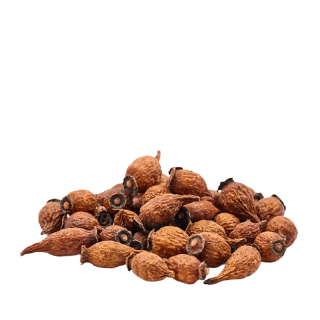
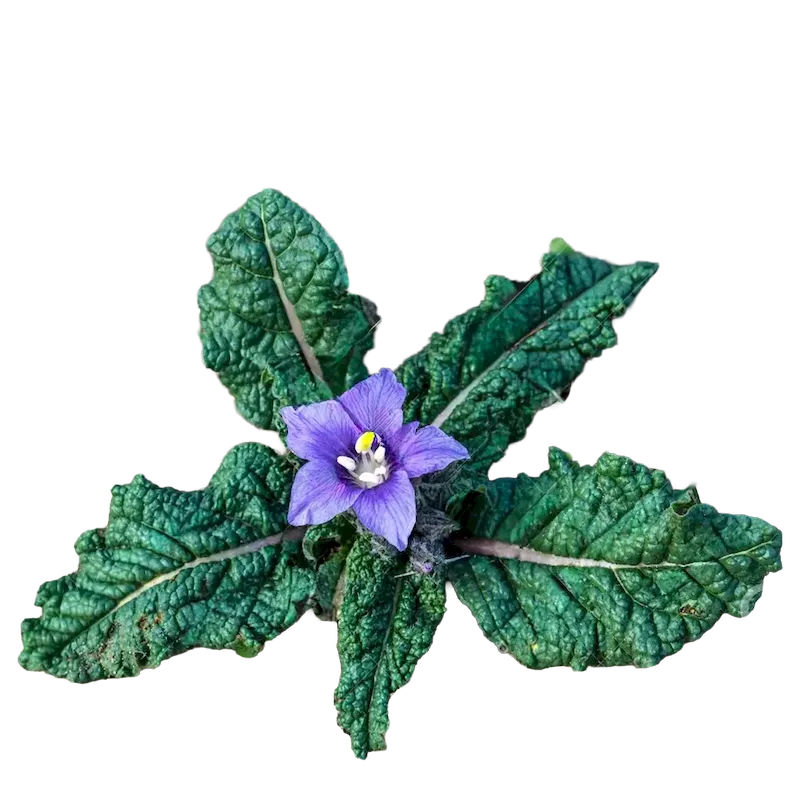
Mandrake, scientifically known as Mandragora officinarum, is a perennial herb native to the Mediterranean region and parts of Asia. It is a member of the Solanaceae family and is known for its historical and cultural significance, as well as its potential medicinal uses. Mandrake has a long history of use in various cultures.المندراغورا، واسمها العلمي Mandragora officinarum، عشبة معمرة موطنها الأصلي منطقة البحر الأبيض المتوسط وأجزاء من آسيا. وهي تنتمي إلى الفصيلة الباذنجانية، وتشتهر بأهميتها التاريخية والثقافية، فضلاً عن استخداماتها الطبية المحتملة. وللمندراغورا تاريخ طويل من الاستخدام في ثقافات متنوعة.
Categoryالفئة
• Traditional use in folklore and mythology
• Potential hallucinogenic properties
• Historical use in herbal medicine• الاستخدام التقليدي في الفولكلور والأساطير
• خصائص مهلوسة محتملة
• الاستخدام التاريخي في الطب العشبي
Habitatالموطن
Mandrake plants grow in well-drained, rocky soils in Mediterranean and temperate climates. While they are not commonly cultivated today, they were historically grown for their roots and leaves, which are known for their potential medicinal properties. The key constituents of Mandrake include tropane alkaloids and other phytochemicals. تنمو نباتات المندراغورا في التربة الصخرية جيدة التصريف في مناخ البحر الأبيض المتوسط والمناطق المعتدلة. ورغم أنها لا تُزرع على نطاق واسع اليوم، إلا أنها كانت تُزرع تاريخياً لجذورها وأوراقها المعروفة بخصائصها الطبية المحتملة. تشمل المكونات الرئيسية للمندراغورا قلويدات التروبان ومواد كيميائية نباتية أخرى.
Parts usedالأجزاء المستخدمة
• Roots
• Leaves• الجذور
• الأوراق
Key constituentsالمكوّنات الفعّالة
• Tropane alkaloids (hyoscyamine, scopolamine/hyoscine, atropine; plus related tropane esters such as apoatropine, belladonnine-type alkaloids)
• Coumarins (scopoletin, umbelliferone)
• Withanolides (steroidal lactones; e.g., salpichrolide-type, mandragorolide-type)
• Sterols & triterpenes (β-sitosterol; triterpenoid fraction)
• Phenolic acids + flavonoids (chlorogenic acid; quercetin-type flavonoids)
• Volatile esters/lipids (more notable in fruits/berries; fatty acids and aroma esters)• قلويدات التروبان (هيوسيامين، سكوبولامين/هيوسين، أتروبين؛ بالإضافة إلى إسترات التروبان ذات الصلة مثل أبواتروبين، قلويدات من نوع بلادونين)
• الكومارين (سكوبوليتين، أومبليفيرون)
• الويثانوليدات (لاكتونات ستيرويدية؛ على سبيل المثال، من نوع سالبيكروليد، من نوع ماندراغوروليد)
• الستيرولات والتريتربينات (بيتا-سيتوستيرول؛ جزء التريتربينويد)
• الأحماض الفينولية + الفلافونويدات (حمض الكلوروجينيك؛ فلافونويدات من نوع كيرسيتين)
• الإسترات/الدهون المتطايرة (أكثر وضوحًا في الفواكه/التوت؛ الأحماض الدهنية وإسترات النكهة)
Researchالأبحاث
Research on Mandrake has primarily focused on its historical significance in folklore and mythology, as well as its potential hallucinogenic properties. It has limited contemporary scientific studies due to its toxicity and restricted use. ركزت الأبحاث حول نبات المندراغورا بشكل أساسي على أهميته التاريخية في الفولكلور والأساطير، بالإضافة إلى خصائصه المهلوسة المحتملة. وقد اقتصرت الدراسات العلمية المعاصرة عليه بسبب سميته وتقييد استخدامه.
Traditional useالاستخدام التقليدي
Mandrake has a rich history in folklore, mythology, and traditional herbal medicine. The roots and leaves of the plant have been used for various purposes, including potential hallucinogenic experiences and therapeutic applications.يتمتع نبات المندراغورا بتاريخ عريق في الفولكلور والأساطير والطب العشبي التقليدي. وقد استُخدمت جذور وأوراق هذا النبات لأغراض متنوعة، بما في ذلك التجارب المهلوسة المحتملة والتطبيقات العلاجية.
Current useالاستخدام الحالي
Mandrake is not recommended for casual use and should only be used under the guidance of experienced herbalists or practitioners. Historically, it was used in very small quantities for specific purposes, and its use has declined in modern herbal practice. لا يُنصح باستخدام نبات المندراغورا بشكل عشوائي، ويجب استخدامه فقط تحت إشراف أخصائيي الأعشاب أو الممارسين ذوي الخبرة. تاريخياً، كان يُستخدم بكميات ضئيلة جداً لأغراض محددة، وقد تراجع استخدامه في الممارسات العشبية الحديثة.
Preparationsالتحضيرات
Variousمتنوع
Used for these conditionsيُستخدم لهذه الحالات
Adult dosageجرعة البالغين
Dosage recommendations for Mandrake are not provided here due to its potential toxicity and restricted use. It should only be used under the guidance of experienced herbalists or practitioners with a deep understanding of its historical uses and safety precautions. لا تُقدّم هنا توصيات بشأن جرعات نبات المندراغورا نظرًا لسميته المحتملة وتقييد استخدامه. يجب استخدامه فقط تحت إشراف أخصائيي الأعشاب أو الممارسين ذوي الخبرة الذين لديهم فهم عميق لاستخداماته التاريخية واحتياطات السلامة.
Child dosageجرعة الأطفال
Dosage recommendations for Mandrake are not provided here due to its potential toxicity and restricted use. It should only be used under the guidance of experienced herbalists or practitioners with a deep understanding of its historical uses and safety precautions. لا تُقدّم هنا توصيات بشأن جرعات نبات المندراغورا نظرًا لسميته المحتملة وتقييد استخدامه. يجب استخدامه فقط تحت إشراف أخصائيي الأعشاب أو الممارسين ذوي الخبرة الذين لديهم فهم عميق لاستخداماته التاريخية واحتياطات السلامة.
Cautionتحذيرات
Mandrake is a highly toxic plant, and its use can be dangerous. It should only be used under the guidance of experienced herbalists or practitioners with a deep understanding of its historical uses and safety precautions. Misuse or inappropriate dosages can lead to severe health risks, including hallucinations, delirium, and death. Extreme caution is advised, and it is illegal or restricted in some regions.نبات المندراغورا شديد السمية، واستخدامه قد يكون خطيرًا. لا يُنصح باستخدامه إلا تحت إشراف معالجين بالأعشاب ذوي خبرة أو ممارسين ملمين باستخداماته التاريخية واحتياطات السلامة. قد يؤدي سوء الاستخدام أو الجرعات غير المناسبة إلى مخاطر صحية جسيمة، بما في ذلك الهلوسة والهذيان والوفاة. يُنصح بتوخي الحذر الشديد، وهو غير قانوني أو مقيد في بعض المناطق.
Pregnancy & nursingالحمل والرضاعة
Contraindicated in pregnancy and breastfeeding. Mandrake contains toxic tropane alkaloids (atropine, scopolamine, hyoscyamine) that cross the placenta and pass into breast milk and can seriously harm the fetus or infant. Do not use.يُمنع استخدامه أثناء الحمل والرضاعة. يحتوي نبات المندراغورا على قلويدات تروبان سامة (أتروبين، سكوبولامين، هيوسيامين) تعبر المشيمة وتنتقل إلى حليب الأم وقد تُلحق ضرراً بالغاً بالجنين أو الرضيع. لا تستخدمه.