Introductionمقدّمة
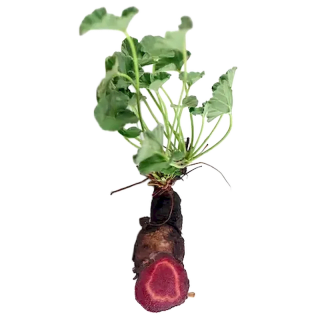
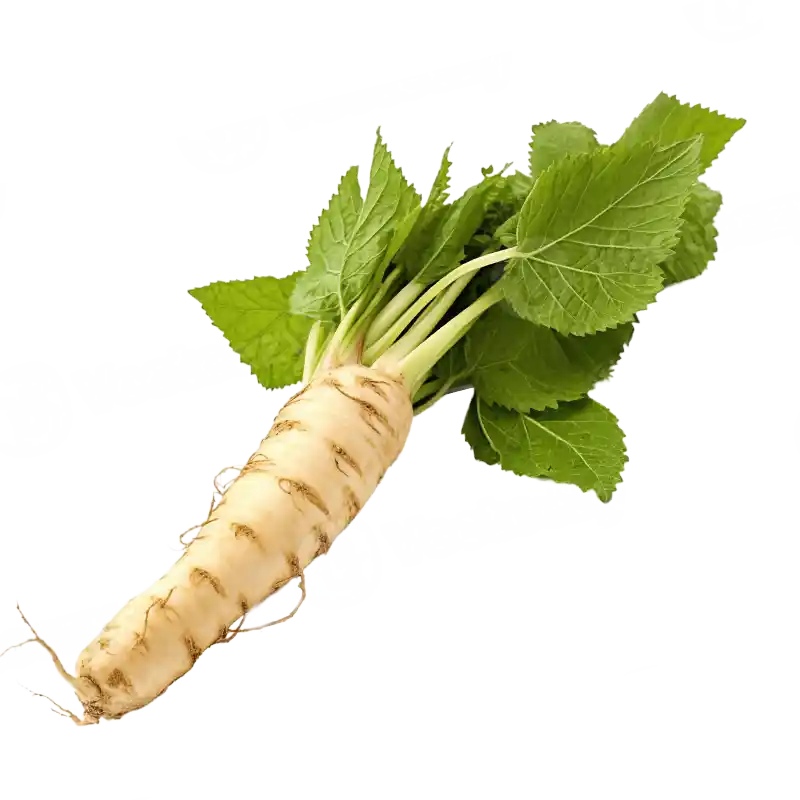
Armoracia rusticana (horseradish) is the fiercely pungent root of the mustard family, used both as a condiment and a medicine. Its glucosinolate-derived mustard oils (allyl isothiocyanate) make it a powerful natural antimicrobial and decongestant — approved in European herbal medicine (with nasturtium) for respiratory and urinary infections — and a warming digestive stimulant.الفُجل الحارّ (Armoracia rusticana) جذرٌ شديد الحرافة من الفصيلة الصليبية، يُستعمل تابلاً ودواءً معاً. وزيوت الخردل المشتقّة من غلوكوزينولاته (إيزوثيوسيانات الأليل) تجعله مضاداً طبيعياً قوياً للميكروبات ومزيلاً للاحتقان — معتمَداً في الطبّ العشبي الأوروبي (مع أبو خنجر) لعدوى التنفّس والبول — ومُنبّهاً هاضماً مُدفئاً.
Categoryالفئة
• Pungent mustard-family root (Brassicaceae)
• Antimicrobial (respiratory & urinary)
• Decongestant / expectorant
• Digestive & circulatory stimulant
• ⚠️ Strong mucous-membrane irritant• جذرٌ حارّ من الفصيلة الصليبية
• مضاد للميكروبات (تنفّسي وبوليّ)
• مزيل للاحتقان/طارد للبلغم
• مُنبّه للهضم والدورة
• ⚠️ مهيّجٌ قويّ للأغشية المخاطية
Habitatالموطن
A robust perennial with large leaves and a thick white taproot, native to south-eastern Europe/western Asia and cultivated worldwide.عشبةٌ معمّرة قويّة بأوراقٍ كبيرة وجذرٍ وتديّ أبيض غليظ، موطنها جنوب شرق أوروبا/غرب آسيا وتُزرَع عالمياً.
Parts usedالأجزاء المستخدمة
• Root (main)
• Leaves (minor)• الجذر (رئيسي)
• الأوراق (ثانوي)
Key constituentsالمكوّنات الفعّالة
• Glucosinolates (sinigrin) → allyl isothiocyanate (mustard oil)
• Vitamin C
• Peroxidase enzymes
• Flavonoids
• Phenolic acids• غلوكوزينولات (سينيغرين) ← إيزوثيوسيانات الأليل (زيت الخردل)
• فيتامين C
• إنزيمات بيروكسيداز
• فلافونويدات
• أحماض فينولية
Researchالأبحاث
Horseradish is a recognised medicinal: its mustard oil (allyl isothiocyanate) has documented broad antibacterial activity, and a horseradish-plus-nasturtium herbal product is officially used in Europe for acute respiratory and urinary-tract infections with supportive clinical data. It is genuinely effective but also a strong irritant, so dosing matters.الفُجل الحارّ دواءٌ معترَف به: لزيت خردله (إيزوثيوسيانات الأليل) نشاطٌ مضاد للبكتيريا واسع موثّق، ويُستعمل منتجٌ عشبي من الفُجل الحارّ وأبو خنجر رسمياً في أوروبا لعدوى التنفّس والمسالك البولية الحادّة ببياناتٍ سريرية داعمة. وهو فعّالٌ حقاً لكنّه مهيّجٌ قويّ أيضاً، فتهمّ الجرعة.
Published researchأبحاث منشورة
Traditional useالاستخدام التقليدي
Used as a pungent condiment and a warming remedy for colds, sinusitis, bronchitis and chest congestion (to clear the sinuses and expel phlegm), for urinary-tract infections, to stimulate appetite and digestion and circulation, and applied topically as a warming poultice for muscle and joint pain.يُستعمل تابلاً حارّاً وعلاجاً مُدفئاً للزكام والتهاب الجيوب والقصبات واحتقان الصدر (لتصفية الجيوب وطرد البلغم) ولعدوى المسالك البولية ولفتح الشهية وتنشيط الهضم والدورة، ويُوضَع موضعياً لبخةً مُدفئة لألم العضلات والمفاصل.
Current useالاستخدام الحالي
Used as a condiment and a herbal antimicrobial/decongestant for respiratory and urinary infections; the mustard oil is well studied.يُستعمل تابلاً ومضاداً عشبياً للميكروبات/مزيلاً للاحتقان لعدوى التنفّس والبول؛ وزيت خردله مدروسٌ جيداً.
Preparationsالتحضيرات
• Fresh grated root (condiment)
• Standardised herbal product
• Warming poultice (topical, brief)
• Syrup/oxymel (cough)• جذر طازج مبشور (تابل)
• منتج عشبي مقنّن
• لبخة مُدفئة (موضعية، قصيرة)
• شراب/أوكسيميل (للسعال)
Used for these conditionsيُستخدم لهذه الحالات
Adult dosageجرعة البالغين
Culinary amounts freely; medicinally ~2–20 g fresh root/day (or standardised product per label), taken with food; topical poultice only briefly.كميات الطهي بحرّية؛ وطبياً نحو 2–20 غ جذرٍ طازج/يوم (أو منتج مقنّن بحسب النشرة)، مع الطعام؛ واللبخة الموضعية لفترةٍ قصيرة فقط.
Child dosageجرعة الأطفال
Not for medicinal use under ~4 years; older children only small culinary amounts (it is very pungent).لا للاستعمال الطبي دون نحو 4 سنوات؛ والأطفال الأكبر كميات طهيٍ صغيرة فقط (فهو شديد الحرافة).
Cautionتحذيرات
⚠️ A strong mucous-membrane irritant. Large amounts can irritate the mouth, stomach and gut (and cause vomiting/diarrhoea), and the fumes can burn the eyes and airways — grate it with care. Avoid medicinal doses with stomach/duodenal ulcers, kidney disease, or thyroid problems (mustard oils can affect the thyroid). Topically it can blister skin if left on too long. Keep to culinary or properly-dosed medicinal amounts.⚠️ مهيّجٌ قويّ للأغشية المخاطية. والكميات الكبيرة قد تهيّج الفم والمعدة والأمعاء (وتسبّب قيئاً/إسهالاً)، وأبخرته قد تحرق العينين والمجاري الهوائية — فيُبشَر بحذر. وتُتجنَّب الجُرَع الطبية مع قرحة المعدة/الاثني عشر ومرض الكلى ومشكلات الغدّة الدرقية (زيوت الخردل قد تؤثّر في الغدّة). وموضعياً قد يُبثِّر الجلد إن تُرِك طويلاً. ويُلتزَم بكميات الطهي أو الجُرَع الطبية المضبوطة.
Pregnancy & nursingالحمل والرضاعة
Culinary amounts are fine; avoid medicinal/high doses in pregnancy and breastfeeding.كميات الطهي مقبولة؛ وتُتجنَّب الجُرَع الطبية/العالية في الحمل والرضاعة.