Introductionمقدّمة
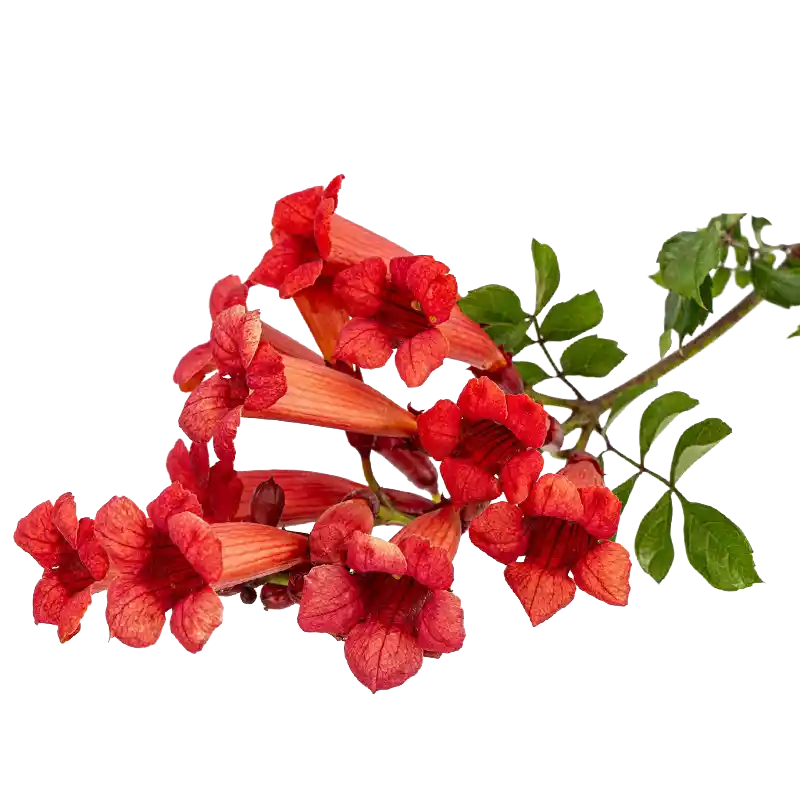
Campsis grandiflora — Chinese trumpet vine, Lingxiaohua — is a climber whose flowers are used in Chinese medicine to “move the blood” for menstrual complaints, and for itchy skin conditions.الكامبسيس الكبيرة الزهر (Campsis grandiflora) — «لينغ شياو هوا» — متسلّقٌ تُستعمل أزهاره في الطبّ الصيني «لتنشيط الدم» لشكاوى الطمث وللأمراض الجلدية المُحِكّة.
Categoryالفئة
• “Blood-moving” / gynaecological (TCM)
• Anti-inflammatory
• Antioxidant
• Anti-platelet
• Skin remedy• «مُنشّط للدم» / نسائيّ (طبّ صيني)
• مضاد للالتهاب
• مضاد للأكسدة
• مضادّ للصفيحات
• علاجٌ للجلد
Habitatالموطن
A woody climbing vine of China, grown for its large orange trumpet flowers.نبتةٌ متسلّقة خشبية في الصين، تُزرع لأزهارها البرتقالية الكبيرة البوقية.
Parts usedالأجزاء المستخدمة
• Flowers• الأزهار
Key constituentsالمكوّنات الفعّالة
• Flavonoids (apigenin)
• Iridoid glycosides
• Pentacyclic triterpenes
• Phenolic acids• فلافونويدات (أبيجينين)
• غليكوزيدات إيريدويدية
• تربينات خماسية الحلقات
• أحماض فينولية
Researchالأبحاث
Laboratory and animal studies report anti-inflammatory, antioxidant, anti-platelet, antimicrobial and antidepressant effects of the flowers and their apigenin and triterpenes, consistent with the ‘blood-moving’ and skin uses. Human clinical evidence is limited.تذكر دراسات المختبر والحيوان تأثيراتٍ مضادة للالتهاب والأكسدة والصفيحات والميكروبات ومضادة للاكتئاب للأزهار وأبيجينينها وتربيناتها، بما يتّسق مع استعمالات «تنشيط الدم» والجلد. والأدلة السريرية البشرية محدودة.
Traditional useالاستخدام التقليدي
Used in Chinese medicine for painful, irregular or absent periods and abdominal masses (‘blood stasis’), and for itchy skin conditions and rosacea.تُستعمل في الطبّ الصيني للطمث المؤلم أو غير المنتظم أو المنقطع والكتل البطنية («ركود الدم»)، وللأمراض الجلدية المُحِكّة والوردية.
Current useالاستخدام الحالي
Used as flower decoction, powder and extracts, in gynaecological and skin formulas.تُستعمل مغليّ أزهار ومسحوقاً ومستخلصات، في تركيبات النساء والجلد.
Preparationsالتحضيرات
Flower decoction, Powder, Extractمغليّ الأزهار، مسحوق، مستخلص
Used for these conditionsيُستخدم لهذه الحالات
Adult dosageجرعة البالغين
Traditional use per practitioner; for extracts follow the product.تقليدياً بحسب المختصّ؛ وللمستخلصات اتّبع الإرشاد.
Child dosageجرعة الأطفال
Use only under professional guidance for children.لا يُستعمل للأطفال إلا بإشراف مختصّ.
Cautionتحذيرات
Because it moves the blood and reduces platelet clumping, it can add to blood-thinners and increase bleeding risk. Avoid in pregnancy. Do not confuse it with the toxic ‘Yangjinhua’ (Datura) flower — confirm the correct species. Use under a qualified practitioner.لأنها تُنشّط الدم وتقلّل تكتّل الصفيحات، قد تُضاف إلى مميّعات الدم وتزيد خطر النزف. وتُتجنَّب في الحمل. ولا تخلطها بزهرة «يانغ جين هوا» السامّة (الداتورا) — تأكّد من صحّة النوع. وتُستعمل بإشراف مختصّ مؤهّل.
Pregnancy & nursingالحمل والرضاعة
Do NOT use in pregnancy — it moves the blood (traditional contraindication).لا يُستعمل في الحمل — فهو يُنشّط الدم (مُضادّ استطباب تقليدي).