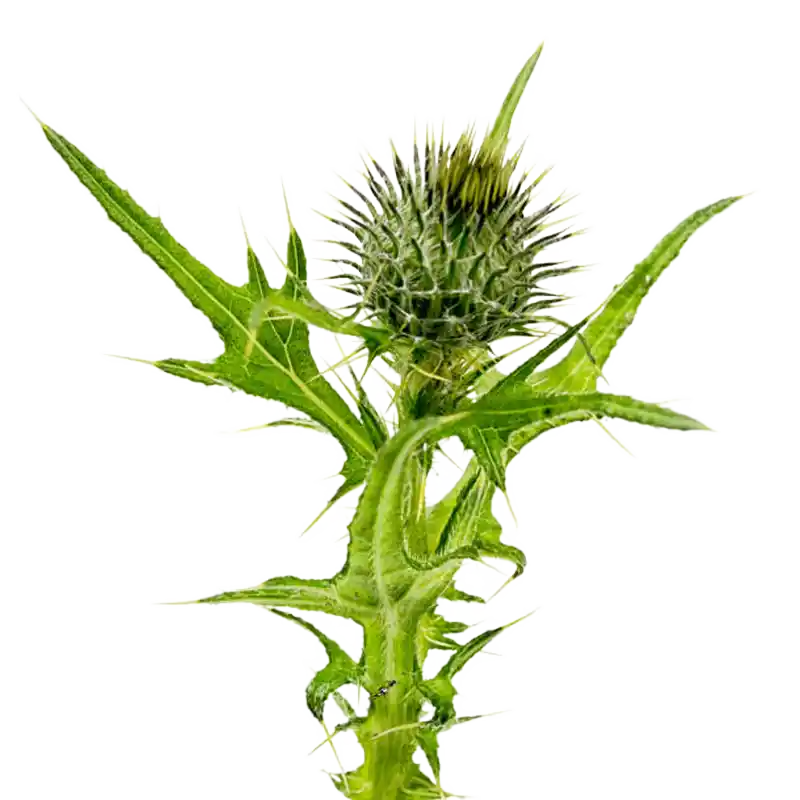
Introductionمقدّمة
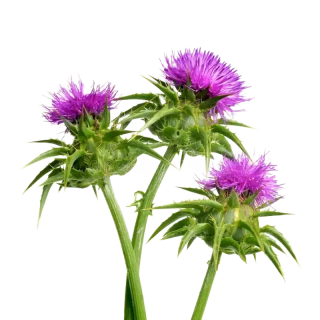
Centaurea benedicta (Cnicus benedictus, blessed thistle) is a classic bitter tonic herb of Western and monastic medicine. Intensely bitter from its cnicin content, it is used to stimulate appetite, saliva and digestion, traditionally to promote breast milk, and for wounds and the liver; it has antimicrobial and antioxidant activity.الشوكة المباركة (Centaurea benedicta، Cnicus benedictus) عشبةٌ مقوّية مُرّة كلاسيكية في الطبّ الغربي والرهباني. وهي شديدة المرارة لمحتواها من السنيسين، تُستعمل لفتح الشهية واللعاب والهضم، وتقليدياً لإدرار حليب الثدي، وللجروح والكبد؛ ولها نشاطٌ مضاد للميكروبات والأكسدة.
Categoryالفئة
• Bitter tonic thistle (Asteraceae)
• Bitter digestive & appetite stimulant
• Galactagogue (breast-milk, traditional)
• Antimicrobial & antioxidant (cnicin)
• Wound & liver herb (traditional)• شوكة مقوّية مُرّة (الفصيلة النجمية)
• مُرّ هاضم وفاتح للشهية
• مُدرّ للحليب (تقليدي)
• مضادّ للميكروبات والأكسدة (سنيسين)
• عشبة للجروح والكبد (تقليدي)
Habitatالموطن
An annual thistle-like herb of dry, stony ground of the Mediterranean and western Asia, widely cultivated as a medicinal.عشبةٌ حولية شوكية في الأرض الجافة الحصوية في المتوسّط وغرب آسيا، تُزرَع واسعاً دواءً.
Parts usedالأجزاء المستخدمة
• Flowering aerial parts (herb)• الأجزاء الهوائية المزهرة (العشبة)
Key constituentsالمكوّنات الفعّالة
• Sesquiterpene lactone 'cnicin' (bitter)
• Lignans
• Flavonoids
• Essential oil
• Tannins• لاكتون سسكِويتربيني «سنيسين» (مُرّ)
• لِغنانات
• فلافونويدات
• زيت طيّار
• تانينات
Researchالأبحاث
Blessed thistle is a well-known bitter: its bitter principle cnicin has documented antimicrobial, anti-inflammatory and antioxidant activity, and reviews summarise its folk-medicinal use as a digestive bitter, galactagogue and wound herb. Its appetite-and-digestion-stimulating action (via bitter reflex) is its best-supported use; high doses are emetic.الشوكة المباركة مُرّةٌ معروفة: لمبدئها المُرّ السنيسين نشاطٌ موثّق مضاد للميكروبات والالتهاب والأكسدة، وتلخّص المراجعات استعمالها الشعبي مُرّاً هاضماً ومُدرّاً للحليب وعشبةً للجروح. وعملها المُنبّه للشهية والهضم (بالمنعكس المُرّ) أحسن استعمالاتها دليلاً؛ والجُرَع العالية مُقيِّئة.
Published researchأبحاث منشورة
Traditional useالاستخدام التقليدي
A classic bitter digestive tonic for poor appetite, indigestion, wind and sluggish digestion, traditionally used to promote and enrich breast milk in nursing mothers, for the liver and gallbladder, for fevers, and applied to wounds, ulcers and boils; a noted 'cure-all' of old herbals.مقوٍّ مُرّ هاضم كلاسيكي لضعف الشهية وعسر الهضم والريح وخمول الهضم، يُستعمل تقليدياً لإدرار حليب الثدي وإغنائه عند المرضعات وللكبد والمرارة وللحمّيات، ويُوضَع على الجروح والقرح والدمامل؛ و«ترياقٌ» بارز في كتب العشب القديمة.
Current useالاستخدام الحالي
Used as a digestive bitter and traditional galactagogue (often in nursing-tea blends) and a bitter tonic; cnicin is studied for antimicrobial activity.تُستعمل مُرّاً هاضماً ومُدرّاً تقليدياً للحليب (كثيراً في خلطات شاي الإرضاع) ومقوّياً مُرّاً؛ ويُدرَس السنيسين لنشاطه المضاد للميكروبات.
Preparationsالتحضيرات
• Bitter herb infusion (before meals)
• Nursing/galactagogue tea blend
• Digestive tincture/bitters
• Wound wash/poultice• نقيع عشبة مُرّة (قبل الطعام)
• خلطة شاي إرضاع/مُدرّة للحليب
• صبغة/مُرّات هاضمة
• غسول/لبخة للجروح
Used for these conditionsيُستخدم لهذه الحالات
Adult dosageجرعة البالغين
Herb infusion ~1.5–2 g in hot water 2–3× daily before meals (as a bitter); lower doses only — high doses cause vomiting.نقيع العشبة نحو 1.5–2 غ في ماءٍ حارّ 2–3 مرات يومياً قبل الطعام (مُرّاً)؛ جُرَعٌ منخفضة فقط — فالعالية تسبّب قيئاً.
Child dosageجرعة الأطفال
Not typically used for young children.لا تُستعمل عادةً لصغار الأطفال.
Cautionتحذيرات
Use low, bitter-tea doses — large amounts irritate the stomach and cause vomiting/diarrhoea (it was historically used as an emetic). Avoid in pregnancy, with active stomach/duodenal ulcers, and in those allergic to daisy-family (Asteraceae) plants. It is best as a short-term digestive bitter or nursing-support herb.تُستعمل جُرَعٌ منخفضة من الشاي المُرّ — فالكميات الكبيرة تهيّج المعدة وتسبّب قيئاً/إسهالاً (واستُعملت تاريخياً مُقيِّئة). وتُتجنَّب في الحمل ومع قرحة المعدة/الاثني عشر النشطة وعند حسّاسي الفصيلة النجمية. والأفضل استعمالها مُرّاً هاضماً قصير الأمد أو عشبةَ دعمٍ للإرضاع.
Pregnancy & nursingالحمل والرضاعة
Avoid in pregnancy — a bitter emmenagogue traditionally noted to affect the uterus; the galactagogue use is for nursing, not pregnancy.تُتجنَّب في الحمل — مُرّةٌ مُدرّة للطمث ذُكِر تقليدياً تأثيرها في الرحم؛ واستعمال إدرار الحليب للرضاعة لا الحمل.