Introductionمقدّمة
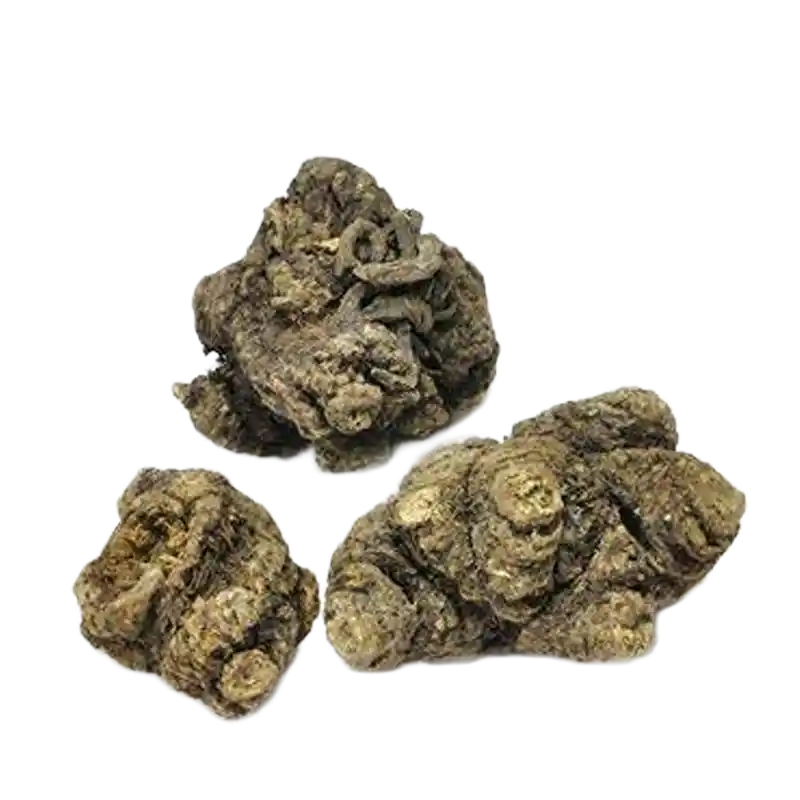
Ligusticum sinense ('gao ben', Chinese lovage) is a warm aromatic root of the carrot family used in Chinese medicine to 'release wind-cold' and, especially, to relieve headache — classically a vertex (top-of-head) and forehead headache with cold — as well as body aches and rheumatic pain. Its essential oil and phthalides (ligustilide type) give analgesic, anti-inflammatory and antispasmodic activity.اللوباج الصيني (Ligusticum sinense، «غاو بن») جذرٌ عطريّ دافئ من الفصيلة الجزرية يُستعمل في الطبّ الصيني «لإطلاق الريح-البرد» وخاصةً لتخفيف الصداع — كلاسيكياً صداع القمّة (أعلى الرأس) والجبهة مع البرد — إضافةً لآلام الجسم وألم الروماتيزم. وزيته الطيّار وفثالِيداته (من نوع الليجوستيليد) تمنح نشاطاً مسكّناً ومضاداً للالتهاب والتشنّج.
Categoryالفئة
• Warm aromatic 'wind-cold' root (Apiaceae)
• 'Gao ben' — releases wind-cold, relieves head pain
• Analgesic & anti-inflammatory (ligustilide/phthalides)
• Antispasmodic
• Traditional headache, cold & rheumatic-pain herb• جذر عطريّ دافئ لـ«الريح-البرد» (الفصيلة الخيميّة)
• «غاو بن» — يطلق الريح-البرد ويخفّف ألم الرأس
• مسكّن ومضاد للالتهاب (ليجوستيليد/فثاليدات)
• مضاد للتشنّج
• عشبة تقليدية للصداع والزُّكام وألم الروماتيزم
Habitatالموطن
An aromatic perennial of mountain woods and slopes in China; the fragrant root and rhizome are harvested.معمّرة عطرية في غابات الجبال ومنحدراتها بالصين؛ يُجمَع الجذر والجذمور العطريّان.
Parts usedالأجزاء المستخدمة
• Root & rhizome• الجذر والجذمور
Key constituentsالمكوّنات الفعّالة
• Essential oil (rich in phthalides)
• Ligustilide & butylidenephthalide
• Ferulic acid
• Coumarins
• Sterols• زيت طيّار (غنيّ بالفثالِيدات)
• ليجوستيليد وبوتيليدين-فثاليد
• حمض الفيروليك
• كومارينات
• ستيرولات
Researchالأبحاث
Ligusticum species ('gao ben') and their phthalide ligustilide are reviewed for analgesic, anti-inflammatory, antispasmodic and antimicrobial activity, with ligustilide also studied for vascular and neuroprotective effects; comprehensive reviews cover the botany, chemistry and pharmacology of Ligustici Rhizoma et Radix. Evidence is chiefly preclinical, supporting the traditional headache and wind-cold use.تُراجَع أنواع الليجوستيكوم («غاو بن») وفثاليدها ليجوستيليد لنشاطٍ مسكّن ومضاد للالتهاب والتشنّج والميكروبات، مع دراسة الليجوستيليد لتأثيراتٍ وعائية وواقية للأعصاب؛ وتغطّي مراجعات شاملة نبات وكيمياء وصيدلة جذمور وجذر الليجوستيكوم. والأدلة أوّلية غالباً، بما يدعم الاستعمال التقليدي للصداع والريح-البرد.
Published researchأبحاث منشورة
Traditional useالاستخدام التقليدي
Aromatic root decocted in Chinese medicine to 'release wind-cold from the exterior' and 'dispel wind and stop pain' — chiefly for headache (especially at the vertex and forehead) and migraine with cold or dampness, nasal congestion and body aches from a cold, and for wind-damp joint and muscle pain; often combined with other head-pain and wind-releasing herbs.يُغلى الجذر العطريّ في الطبّ الصيني «لإطلاق الريح-البرد من الظاهر» و«تفريق الريح وإيقاف الألم» — أساساً للصداع (خاصة القمّة والجبهة) والشقيقة مع البرد أو الرطوبة واحتقان الأنف وآلام الجسم من الزُّكام، ولألم المفاصل والعضلات من الريح-الرطوبة؛ ويُركَّب غالباً مع أعشاب صداع ومفرّقة للريح أخرى.
Current useالاستخدام الحالي
A warm aromatic 'wind-cold', headache-relieving root (gao ben) with researched analgesic, anti-inflammatory and antispasmodic activity from its phthalides.جذرٌ عطريّ دافئ لـ«الريح-البرد» ومخفّف للصداع (غاو بن) بنشاطٍ مسكّن ومضاد للالتهاب والتشنّج مدروس من فثالِيداته.
Preparationsالتحضيرات
• Root decoction
• In headache/wind-releasing formulas
• Aromatic-oil bearing• مغلي الجذر
• في خلطات الصداع/تفريق الريح
• حاوٍ لزيت عطريّ
Used for these conditionsيُستخدم لهذه الحالات
Adult dosageجرعة البالغين
Root decoction in modest traditional amounts per Chinese practice, usually within head-pain/wind-releasing formulas.مغلي الجذر بكميات تقليدية معتدلة بحسب الممارسة الصينية، غالباً ضمن خلطات الصداع/تفريق الريح.
Child dosageجرعة الأطفال
Used (in formulas) for children's wind-cold headache under professional guidance.يُستعمل (في الخلطات) لصداع الريح-البرد عند الأطفال بإرشاد مختصّ.
Cautionتحذيرات
Warm, drying and dispersing, so it is not suited to headaches from heat or 'yin/blood deficiency' and can aggravate dryness — reserved for genuine wind-cold/wind-damp patterns and used short-term. Keep to modest amounts; confirm the correct 'gao ben' species (several are used). Use under guidance for persistent or severe headache, which needs proper assessment.دافئ مجفّف مفرّق، فلا يناسب صداع الحرارة أو «نقص اليِن/الدم» وقد يفاقم الجفاف — يُقتصَر على أنماط الريح-البرد/الريح-الرطوبة الحقيقية ويُستعمل لفترة قصيرة. تُبقى الكميات معتدلة؛ ويُؤكَّد نوع «غاو بن» الصحيح (تُستعمل أنواع عدّة). ويُستعمل بإرشاد للصداع المستمرّ أو الشديد الذي يحتاج تقييماً سليماً.
Pregnancy & nursingالحمل والرضاعة
Warm, dispersing aromatic — best avoided in medicinal amounts during pregnancy without professional guidance.عطريّ دافئ مفرّق — الأفضل تجنّبه بكميات علاجية في الحمل دون إرشاد مختصّ.