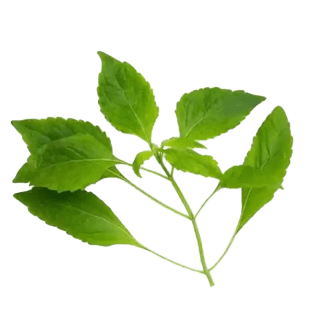
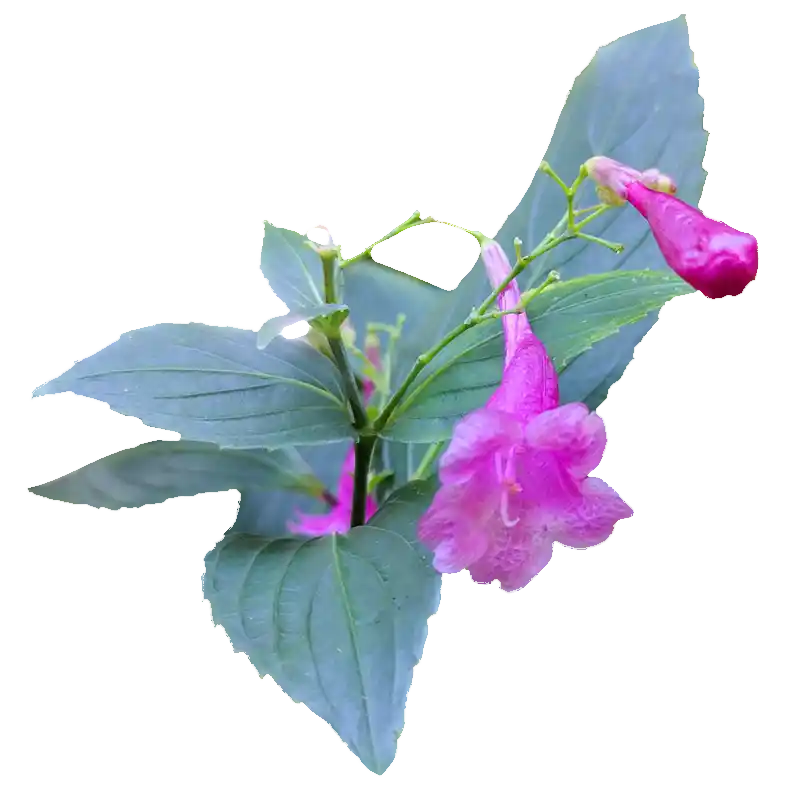
Introductionمقدّمة
Strobilanthes cusia (syn. Baphicacanthus cusia) is a plant grown for natural indigo dye and as an important Chinese medicine — its root/rhizome is a source of 'ban lan gen' and its leaf-derived indigo powder is 'qing dai', both classic 'heat-clearing, toxin-resolving' antiviral remedies for flu, colds, sore throat, mumps, fevers, mouth ulcers and inflammatory skin diseases. Studies confirm antiviral, antibacterial and anti-inflammatory activity (via indigo/indirubin and other compounds).ستروبيلانثيس النيلي (Strobilanthes cusia، مرادف Baphicacanthus cusia) نباتٌ يُزرَع لصبغة النيلة الطبيعية ودواءً صينياً مهمّاً — جذره/جذموره مصدرٌ لـ«بان لان غِن»، ومسحوق النيلة من أوراقه «تشينغ داي»، وكلاهما علاجٌ كلاسيكي «مصفٍّ للحرارة مُزيل للسمّ» مضاد للفيروسات للإنفلونزا والزكام والتهاب الحلق والنكاف والحمّيات وقرح الفم وأمراض الجلد الالتهابية. وتؤكّد الدراسات نشاطاً مضاداً للفيروسات والبكتيريا والالتهاب (عبر النيلة/الإنديروبين ومركّباتٍ أخرى).
Categoryالفئة
• Indigo-yielding medicinal herb (Acanthaceae)
• Source of 'ban lan gen'/'qing dai' — antiviral, heat-clearing
• Antiviral, antibacterial & anti-inflammatory (studied)
• Indigo/indirubin — skin & throat remedy
• Traditional flu, sore throat, fever & skin herb
• Also called Baphicacanthus cusia• عشبة طبّية مُنتِجة للنيلة (الفصيلة الأقنثية)
• مصدر «بان لان غِن»/«تشينغ داي» — مضاد للفيروسات مصفٍّ للحرارة
• مضادة للفيروسات والبكتيريا والالتهاب (مدروس)
• نيلة/إنديروبين — علاج للجلد والحلق
• عشبة تقليدية للإنفلونزا والتهاب الحلق والحمّى والجلد
• ويُسمّى Baphicacanthus cusia
Habitatالموطن
A shade-loving herb of southern China and Southeast Asia, cultivated for indigo dye and medicinal root and leaf.عشبة محبّة للظلّ في جنوب الصين وجنوب شرق آسيا، تُزرَع لصبغة النيلة وللجذر والأوراق الطبّية.
Parts usedالأجزاء المستخدمة
• Root/rhizome ('ban lan gen')
• Leaf-derived indigo ('qing dai')• الجذر/الجذمور («بان لان غِن»)
• النيلة من الأوراق («تشينغ داي»)
Key constituentsالمكوّنات الفعّالة
• Indigo & indirubin
• Tryptanthrin
• Alkaloids & glycosides
• Flavonoids & phenolics
• Antioxidant compounds• نيلة وإنديروبين
• تريبتانثرين
• قلويدات وغليكوزيدات
• فلافونويدات وفينولات
• مركّبات مضادة للأكسدة
Researchالأبحاث
Strobilanthes cusia and its products (ban lan gen, qing dai) are well documented for antiviral (including against influenza and other respiratory viruses), antibacterial and anti-inflammatory activity, largely via indigo, indirubin and tryptanthrin; indirubin derivatives are also studied in inflammatory skin disease and leukaemia. This supports its classic use for flu, sore throat, fevers and inflammatory skin conditions.ستروبيلانثيس النيلي ومنتجاته (بان لان غِن، تشينغ داي) موثّقة جيداً لنشاطٍ مضاد للفيروسات (بما فيها الإنفلونزا وفيروسات تنفّسية أخرى) ومضاد للبكتيريا والالتهاب، غالباً عبر النيلة والإنديروبين والتريبتانثرين؛ ومشتقّات الإنديروبين مدروسة أيضاً في أمراض الجلد الالتهابية واللوكيميا. وهذا يدعم استعماله الكلاسيكي للإنفلونزا والتهاب الحلق والحمّيات وحالات الجلد الالتهابية.
Published researchأبحاث منشورة
Traditional useالاستخدام التقليدي
Root ('ban lan gen') decocted for flu, colds, sore throat, tonsillitis, mumps, fevers and 'heat-toxin'; leaf-indigo ('qing dai') taken or applied for mouth ulcers, sore throat, coughing of blood, feverish rashes, eczema, psoriasis and inflammatory skin diseases; the plant also long grown as a source of blue indigo dye. Classic Chinese 'heat-clearing, toxin-resolving' medicines.يُغلى الجذر («بان لان غِن») للإنفلونزا والزكام والتهاب الحلق واللوزتين والنكاف والحمّيات و«سمّ الحرارة»؛ وتُؤخَذ نيلة الأوراق («تشينغ داي») أو تُوضَع لقرح الفم والتهاب الحلق ونفث الدم والطفح المحموم والأكزيما والصدفية وأمراض الجلد الالتهابية؛ والنبات يُزرَع منذ القدم مصدراً لصبغة النيلة الزرقاء. أدويةٌ صينية «مصفّية للحرارة مُزيلة للسمّ» كلاسيكية.
Current useالاستخدام الحالي
A widely used antiviral, heat-clearing herb (ban lan gen / qing dai) with research support, used for flu, sore throat, fevers and inflammatory skin conditions; also a natural indigo dye.عشبة مضادة للفيروسات مصفّية للحرارة واسعة الاستعمال (بان لان غِن/تشينغ داي) بدعمٍ بحثي، تُستعمل للإنفلونزا والتهاب الحلق والحمّيات وحالات الجلد الالتهابية؛ وصبغة نيلة طبيعية أيضاً.
Preparationsالتحضيرات
• Root decoction (ban lan gen)
• Indigo powder 'qing dai' (throat/skin)
• In antiviral/heat-clearing formulas
• Indigo dye (craft)• مغلي الجذر (بان لان غِن)
• مسحوق نيلة «تشينغ داي» (حلق/جلد)
• في خلطات مضادة للفيروسات/مصفّية للحرارة
• صبغة نيلة (حِرَفي)
Used for these conditionsيُستخدم لهذه الحالات
Adult dosageجرعة البالغين
Root decoction or indigo preparation per traditional Chinese practice; in heat-clearing/antiviral formulas.مغلي الجذر أو مستحضر النيلة بحسب الممارسة الصينية التقليدية؛ وفي خلطات تصفية الحرارة/مضادة للفيروسات.
Child dosageجرعة الأطفال
Used traditionally (in formulas) for children's flu/sore throat under professional guidance.يُستعمل تقليدياً (في الخلطات) لإنفلونزا/التهاب حلق الأطفال بإرشاد مختصّ.
Cautionتحذيرات
Generally used within traditional formulas. In TCM it is 'cold', so prolonged or high doses may harm weak, cold digestion (causing stomach upset or loose stools). Concentrated indigo/indirubin preparations have been associated with digestive and, rarely, other effects in high doses — keep to guided amounts. Serious infections (e.g. severe sore throat, high fever) need proper medical care.يُستعمل عموماً ضمن الخلطات التقليدية. وفي الطبّ الصيني هو «بارد»، فالجُرَع المطوّلة أو العالية قد تضرّ الهضم الضعيف البارد (مُسبِّبةً اضطراباً معدياً أو برازاً ليّناً). ومستحضرات النيلة/الإنديروبين المركّزة ارتبطت بآثارٍ هضمية ونادراً أخرى بجُرَع عالية — فيُقتصَر على كميات مُرشَدة. والعدوى الخطيرة (كالتهاب الحلق الشديد والحمّى العالية) تحتاج رعايةً طبّية سليمة.
Pregnancy & nursingالحمل والرضاعة
Insufficient safety data — best avoided in medicinal amounts during pregnancy without guidance.بيانات سلامة غير كافية — الأفضل تجنّبه بكميات علاجية في الحمل دون إرشاد.