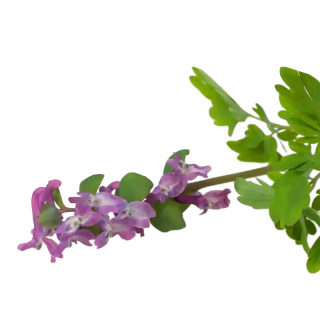

Introductionمقدّمة
Primula elatior (oxlip) is a woodland primrose used, together with cowslip (Primula veris), as a recognised European cough herb. Its saponin-rich root is a proven expectorant for coughs, bronchitis and catarrh, and its flowers are a gentle sedative and antispasmodic for restlessness, headaches and nervous tension, with anti-inflammatory and antioxidant activity.زهرة الربيع العالية (Primula elatior، الأوكسليب) زهرة ربيعٍ غابية تُستعمل، مع الكاوسليب (Primula veris)، عشبة سعالٍ أوروبية معترَف بها. وجذرها الغنيّ بالصابونين طاردٌ للبلغم مثبت للسعال والتهاب القصبات والنزلة، وأزهارها مهدّئ خفيف ومضاد للتقلّص للأرق والصداع والتوتّر العصبي، بنشاطٍ مضاد للالتهاب والأكسدة.
Categoryالفئة
• Primrose-family expectorant herb (Primulaceae)
• Expectorant (root saponins — cough, bronchitis)
• Mild sedative & antispasmodic (flowers)
• Anti-inflammatory & antioxidant
• EU-recognised cough herb (with cowslip)• عشبة طاردة للبلغم من فصيلة الربيع (فصيلة الربيع)
• طاردة للبلغم (صابونينات الجذر — سعال، التهاب قصبات)
• مهدّئة خفيفة ومضادّة للتقلّص (الأزهار)
• مضادّة للالتهاب والأكسدة
• عشبة سعالٍ معترَف بها أوروبياً (مع الكاوسليب)
Habitatالموطن
A perennial primrose with clusters of pale-yellow flowers, of damp woodland, meadows and shady calcareous ground across Europe.زهرة ربيعٍ معمّرة بعناقيد أزهارٍ صفراء باهتة، في الغابات الرطبة والمروج والأرض الكلسية الظليلة عبر أوروبا.
Parts usedالأجزاء المستخدمة
• Root/rhizome (expectorant)
• Flowers (sedative)• الجذر/الجذمور (طارد للبلغم)
• الأزهار (مهدّئة)
Key constituentsالمكوّنات الفعّالة
• Triterpene saponins (root — expectorant)
• Flavonoids
• Phenolic glycosides (primulaverin)
• Phenolic acids
• Traces of essential oil• صابونينات تريتربينية (الجذر — طاردة للبلغم)
• فلافونويدات
• غليكوزيدات فينولية (بريمولافيرين)
• أحماض فينولية
• آثار زيتٍ طيّار
Researchالأبحاث
Primula elatior (with P. veris) is an officially assessed European herbal medicine: its saponin-rich root is a recognised secretolytic expectorant for productive coughs and catarrh (EMA herbal monograph), and studies confirm the expectorant effect and antioxidant/anti-inflammatory activity of Primula extracts; the flowers have a traditional mild sedative use. Evidence includes a European regulatory monograph and preclinical/traditional data.زهرة الربيع العالية (مع P. veris) دواءٌ عشبي أوروبي مُقيَّم رسمياً: جذرها الغنيّ بالصابونين طاردٌ للبلغم مُذيبٌ للإفراز معترَف به للسعال المُنتِج والنزلة (مونوغراف EMA)، وتؤكّد الدراسات الأثر الطارد للبلغم والنشاط المضاد للأكسدة/الالتهاب لمستخلصات البريمولا؛ وللأزهار استعمالٌ مهدّئ خفيف تقليدي. والأدلة تشمل مونوغراف تنظيمياً أوروبياً وبياناتٍ قبل سريرية/تقليدية.
Published researchأبحاث منشورة
Traditional useالاستخدام التقليدي
Root used as an expectorant for coughs, bronchitis, chest congestion and catarrh (to loosen and bring up phlegm); flowers used as a gentle sedative and antispasmodic tea for restlessness, insomnia, anxiety, headaches, migraine and nervous tension, as a mild diaphoretic for colds, and traditionally for the joints; also used to flavour wine.يُستعمل الجذر طارداً للبلغم للسعال والتهاب القصبات واحتقان الصدر والنزلة (لإذابة البلغم وإخراجه)؛ وتُستعمل الأزهار مهدّئاً خفيفاً ومضاداً للتقلّص شاياً للأرق والقلق والصداع والشقيقة والتوتّر العصبي ومُعرّقاً خفيفاً للزكام وتقليدياً للمفاصل؛ وتُستعمل أيضاً لتطييب النبيذ.
Current useالاستخدام الحالي
Used as an expectorant cough herb (root) and a gentle sedative flower tea; the root is an officially recognised European expectorant.تُستعمل عشبة سعالٍ طاردة للبلغم (الجذر) وشاي أزهارٍ مهدّئاً لطيفاً؛ والجذر طاردٌ للبلغم أوروبي معترَف به رسمياً.
Preparationsالتحضيرات
• Root decoction/tincture (cough)
• Flower infusion (calming tea)
• Cough syrup
• Diaphoretic cold tea• مغليّ/صبغة الجذر (للسعال)
• نقيع الأزهار (شاي مُهدّئ)
• شراب للسعال
• شاي مُعرّق للزكام
Used for these conditionsيُستخدم لهذه الحالات
Adult dosageجرعة البالغين
Root decoction/tincture in traditional/monograph amounts for cough; flower infusion 1–2 g as a calming tea; per traditional practice.مغليّ/صبغة الجذر بكميات تقليدية/المونوغراف للسعال؛ نقيع الأزهار 1–2 غ شاياً مُهدّئاً؛ بحسب الممارسة التقليدية.
Child dosageجرعة الأطفال
A weak flower tea for older children's restlessness; root cough preparations in reduced doses with guidance.شاي أزهارٍ خفيف لأرق الأطفال الأكبر؛ ومستحضرات سعالٍ من الجذر بجُرَعٍ مخفّضة بإرشاد.
Cautionتحذيرات
The saponin-rich root can irritate the stomach in large doses (causing nausea), so keep to expectorant amounts. Some people are allergic to primula plants and may get contact dermatitis from handling them. Avoid the concentrated root in pregnancy, and use cautiously with anticoagulants (saponins) and if you have a sensitive stomach.الجذر الغنيّ بالصابونين قد يهيّج المعدة بالجُرَع الكبيرة (فيسبّب غثياناً)، فيُلتزَم بكميات طرد البلغم. وبعض الناس حسّاسون لنباتات البريمولا وقد يُصابون بالتهاب جلدٍ تلامسي من ملامستها. ويُتجنَّب الجذر المركّز في الحمل، ويُستعمل بحذر مع مميّعات الدم (الصابونينات) وعند المعدة الحسّاسة.
Pregnancy & nursingالحمل والرضاعة
Avoid the concentrated saponin-rich root in pregnancy; flower tea in modest amounts is gentler but best used with guidance.يُتجنَّب الجذر المركّز الغنيّ بالصابونين في الحمل؛ وشاي الأزهار بكميات معتدلة ألطف لكنّ الأفضل استعماله بإرشاد.